
Summary
Daily habits—sleep, diet, stress, sun exposure, and movement—shape your skin more powerfully than most skincare products. While topical products matter, long-term skin health depends on consistent lifestyle behaviors that influence inflammation, hormones, circulation, and repair. This article explains how everyday choices affect your skin and how to optimize them for visible, lasting results.
Walk into any American drugstore or beauty retailer and you’ll see aisles of serums, creams, and treatments promising clearer, brighter, younger-looking skin. While many of these products can help, they’re often working uphill against the more powerful forces shaping your skin every single day: your habits.
Dermatologists and researchers increasingly agree that skin health reflects internal processes as much as topical care. Sleep patterns, stress levels, nutrition, sun exposure, and daily movement all influence inflammation, collagen production, barrier function, and healing. Skincare products can support these systems—but they rarely override them.
This article explains why daily habits have a greater cumulative impact on skin than products alone, answers common questions Americans are searching for, and offers practical, experience-based guidance you can actually use.
Skin Is a Living Organ, Not a Surface Problem
Skin is your body’s largest organ, with complex immune, hormonal, and circulatory functions. It regenerates constantly, responds to internal stressors, and reflects changes happening beneath the surface.
According to the American Academy of Dermatology, factors like sleep deprivation, chronic stress, and poor nutrition can worsen acne, eczema, psoriasis, and premature aging—even when a person uses high-quality products.
This explains a common frustration: people invest heavily in skincare yet see minimal improvement because the underlying drivers of skin health remain unchanged.
Sleep: The Most Underrated Skin Treatment
During deep sleep, your body increases blood flow to the skin, repairs DNA damage, and produces collagen. When sleep is short or fragmented, these processes are disrupted.
Research summarized by the National Sleep Foundation shows that adults who consistently sleep fewer than six hours per night experience increased inflammation and slower skin recovery from environmental stress.
In real life, this often shows up as:
- Dull or uneven skin tone
- Dark circles and puffiness
- More frequent breakouts
- Slower healing of blemishes
No eye cream can replicate the hormonal repair cycle triggered by adequate sleep. Consistently sleeping 7–9 hours does more for visible skin quality than adding another product to your routine.
Nutrition: Skin Is Built From What You Eat
Skin cells rely on amino acids, fatty acids, vitamins, and minerals delivered through the bloodstream. When the diet lacks these building blocks—or regularly spikes blood sugar—inflammation increases and collagen breaks down faster.
Studies referenced by Harvard Medical School link diets high in refined carbohydrates and added sugars to increased acne severity and accelerated skin aging through glycation, a process that stiffens collagen fibers.
From a practical standpoint, people often notice skin improvements when they:
- Increase intake of vegetables, fruits, and omega-3 fats
- Reduce sugary drinks and ultra-processed snacks
- Eat protein consistently throughout the day
Products can moisturize or exfoliate the surface, but the raw materials for strong, resilient skin must come from nutrition.

Stress: The Invisible Trigger Behind Many Skin Issues
Chronic stress raises cortisol levels, which increases oil production, weakens the skin barrier, and slows wound healing. Stress also worsens inflammatory skin conditions such as rosacea and eczema.
Clinically, dermatologists often see patients whose acne or rashes flare during work deadlines, family crises, or prolonged anxiety—even when their skincare routine stays the same.
The Centers for Disease Control and Prevention has documented how chronic stress affects immune and inflammatory responses throughout the body, including the skin.
Practical stress-reducing habits that support skin health include:
- Consistent sleep and wake times
- Daily walks or light exercise
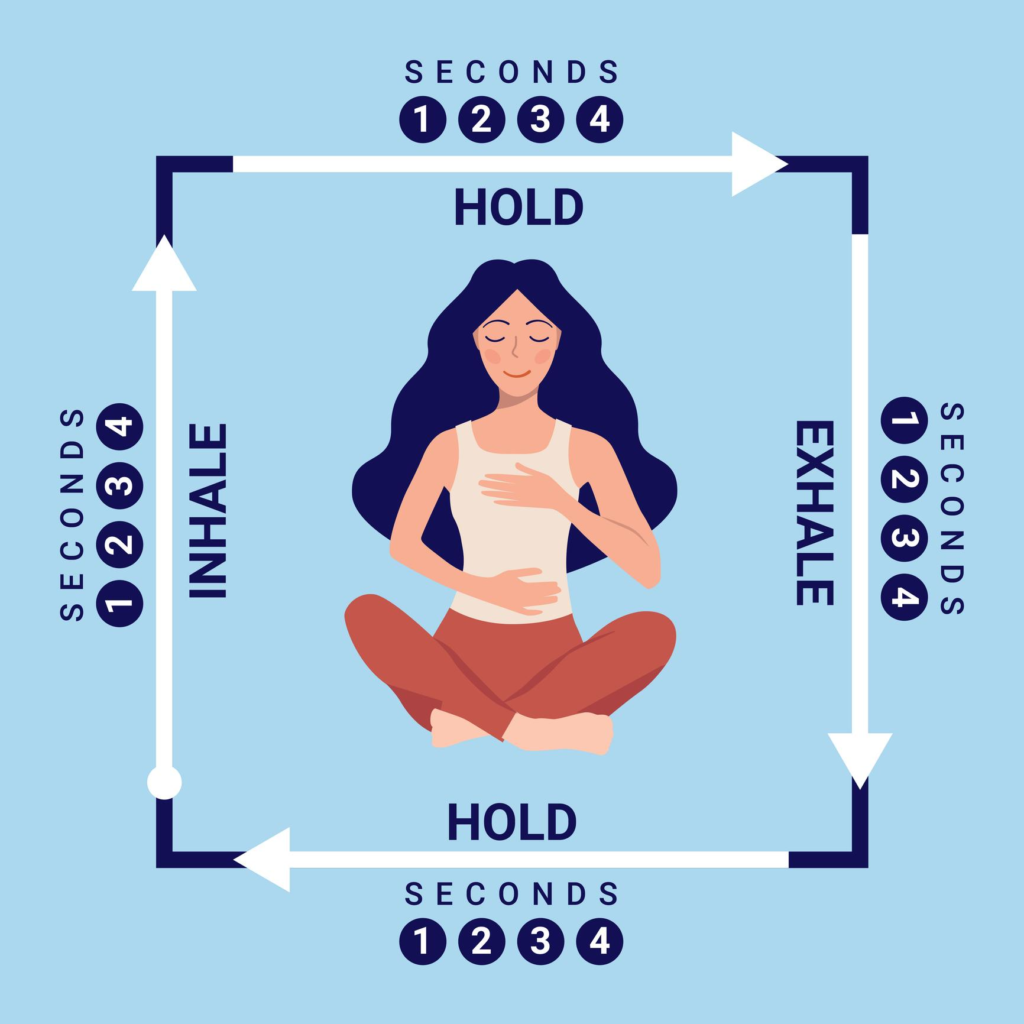
- Mindfulness practices or breathing exercises
- Reducing multitasking and screen overload
Stress management isn’t a wellness luxury—it’s a core component of skin health.
Sun Exposure: Habits Matter More Than SPF Alone
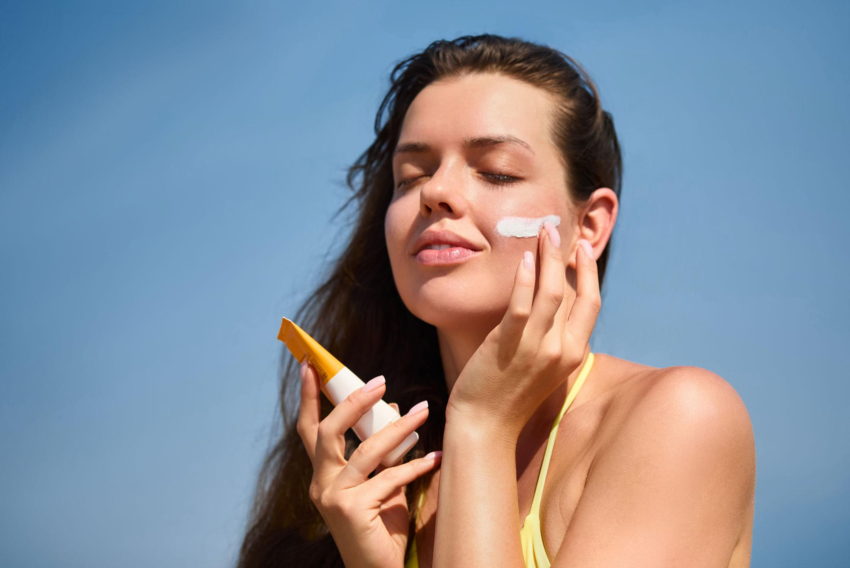
Daily sun exposure, even without sunburn, contributes to premature aging, hyperpigmentation, and skin cancer risk. While sunscreen is essential, how and when you use it matters just as much as which one you buy.
Common habit-related mistakes include:
- Applying too little sunscreen
- Skipping reapplication during outdoor activities
- Relying on makeup with SPF instead of dedicated sunscreen
- Ignoring incidental exposure during driving or walking
People who build sun protection into their daily routine—hats, shade, timing outdoor activities—tend to see more long-term skin benefits than those who rely on products inconsistently.
Movement and Circulation: Why Sitting Shows on Your Skin
Physical movement increases blood flow, delivering oxygen and nutrients to the skin while removing metabolic waste. Regular exercise also helps regulate hormones and reduce systemic inflammation.
Sedentary habits, by contrast, are associated with dullness, puffiness, and slower cellular turnover.
You don’t need intense workouts to see benefits. Consistent habits like:
- Daily walking
- Stretching breaks during work hours
- Light strength training
can visibly improve skin tone and resilience over time.
Alcohol, Smoking, and Skin Aging
Lifestyle choices around alcohol and tobacco have some of the most visible skin consequences.
Alcohol dehydrates the skin, disrupts sleep, and increases facial redness. Smoking constricts blood vessels and accelerates collagen breakdown, leading to wrinkles and uneven tone.
Many people notice clearer, brighter skin within weeks of reducing alcohol intake or quitting smoking—often without changing their skincare products at all.
Where Products Still Matter—and Where They Don’t
Skincare products are not useless. Cleansers, moisturizers, sunscreen, and targeted treatments can:
- Support the skin barrier
- Protect against environmental damage
- Address specific conditions like acne or hyperpigmentation
However, products work best when daily habits support the skin’s natural repair processes. Think of skincare as maintenance, not the foundation.
Common Questions Americans Ask About Habits and Skin
Can drinking more water clear my skin?
Hydration supports overall skin function, but water alone won’t cure acne or aging. It works best alongside balanced nutrition and sleep.
Does poor sleep really cause breakouts?
Yes. Sleep deprivation increases cortisol and inflammation, which can trigger acne and delayed healing.
Can diet changes improve skin without products?
Diet can significantly improve inflammation and texture, but basic skincare is still important for protection and hygiene.
How long do habit changes take to show on skin?
Most people notice changes within 4–8 weeks, depending on the habit and skin condition.
Is stress worse for skin than sugar?
Both matter, but chronic stress often triggers more immediate flare-ups due to hormonal effects.
Does exercise help acne?
Moderate exercise can help regulate hormones and inflammation, but hygiene (cleansing after sweating) is important.
Are expensive products more effective than habits?
No. Even the best products can’t compensate for chronic sleep deprivation or high stress.
Can skin recover from years of bad habits?
Yes. Skin has remarkable regenerative capacity when habits improve consistently.
Is sunscreen still necessary if I stay indoors?
Yes. UVA rays penetrate windows and contribute to aging.
The Long View: Skin as a Daily Feedback System
Skin responds honestly to how you live. It reflects sleep debt, stress overload, nutritional gaps, and lifestyle strain long before medical issues appear. Products can enhance results, but habits create them.
When people shift focus from chasing the “perfect” product to building consistent daily routines, skin improvements tend to be more stable, predictable, and sustainable.
When You Treat Skin as a Daily Practice, Not a Purchase
Healthy skin is less about what you buy and more about what you repeat. Small, consistent habits—sleeping enough, managing stress, eating well, moving daily, and protecting from sun—compound quietly over time. Products can support this process, but they don’t replace it.
Key Ideas to Carry Forward
- Daily habits drive inflammation, repair, and aging
- Sleep and stress often outweigh topical treatments
- Nutrition supplies the raw materials for skin structure
- Consistency matters more than perfection
- Products work best as support, not solutions