
Summary
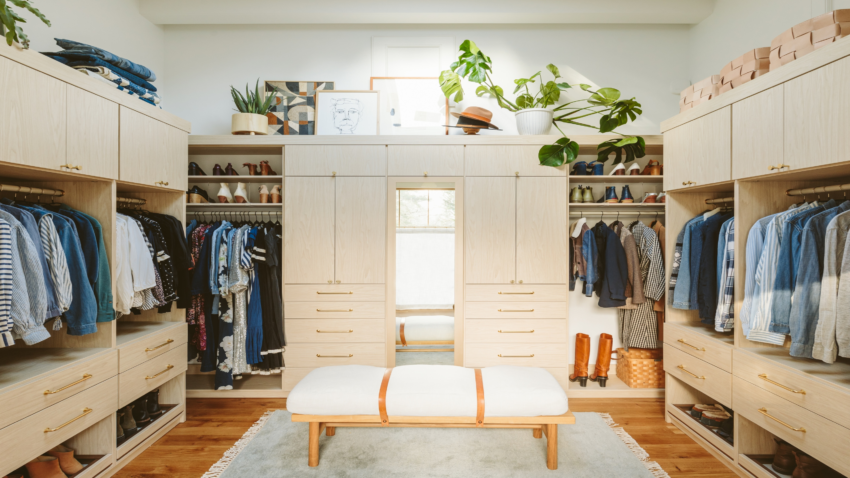
Your closet is more than storage—it reflects how you work, spend, value comfort, and navigate daily life. From remote work to rising costs and sustainability concerns, what Americans wear today reveals shifting priorities around practicality, identity, and intention. Understanding these patterns can help you build a wardrobe that better supports how you actually live.
Walk into your closet and you’ll find more than clothes. You’ll see a record of your habits, priorities, constraints, and aspirations—often more honest than a résumé or social media feed. For Americans navigating changing work patterns, economic pressure, and evolving social norms, clothing has quietly adapted. What we wear today is less about trend cycles and more about function, flexibility, and personal alignment.
This shift didn’t happen overnight. Over the past decade, lifestyle changes—from remote work to rising housing costs—have reshaped daily routines. Clothing followed suit. Understanding what’s in your closet can offer useful insight into how you live now, and whether your wardrobe truly supports that life.
The Modern Closet as a Lifestyle Snapshot
Closets used to be organized around occasions: workwear, weekend clothes, formal outfits. Today, many Americans own fewer sharply defined categories. The lines between work, leisure, and social life have blurred, and wardrobes reflect that reality.
A 2023 consumer report from McKinsey noted that comfort, versatility, and durability now rank higher than trend alignment for U.S. apparel buyers. This explains why wardrobes increasingly consist of adaptable pieces—stretch fabrics, neutral colors, and garments that work across settings.
If your closet leans heavily toward items that transition easily from day to night or from home to errands, it likely reflects:
- A flexible or hybrid work schedule
- A preference for efficiency over presentation
- A lifestyle with fewer rigid social dress codes
Clothing today is less about signaling status and more about reducing friction in daily life.
Work, Time, and the Rise of Practical Dressing
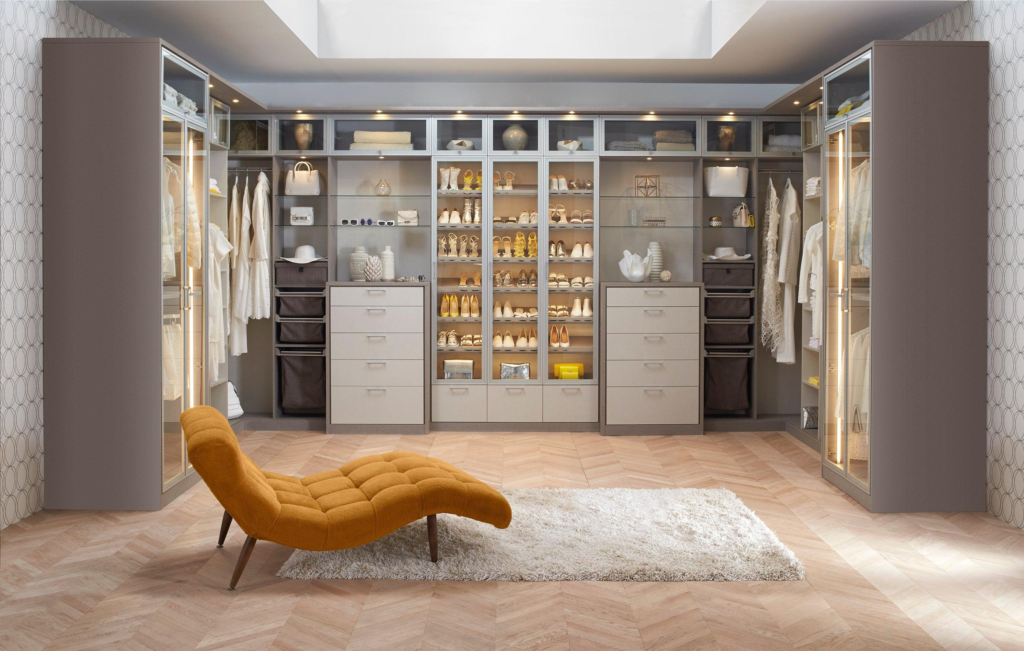
One of the most visible changes in American wardrobes is the decline of traditional office attire. As remote and hybrid work became mainstream, many people stopped buying clothes designed for a single environment.
Instead, closets now feature:
- Polished casual tops suitable for video calls
- Stretch trousers or dark denim replacing structured slacks
- Layering pieces that adapt to temperature changes at home
This isn’t laziness—it’s optimization. Americans are dressing to save time and mental energy. When mornings involve school drop-offs, emails, and meetings before 9 a.m., clothing needs to be dependable, comfortable, and appropriate without much thought.
If your closet contains multiples of the same item—similar sweaters, identical shoes in different colors—it suggests you value predictability and efficiency. Decision fatigue is real, and clothing has become one place where people actively reduce it.
Comfort as a Cultural Signal
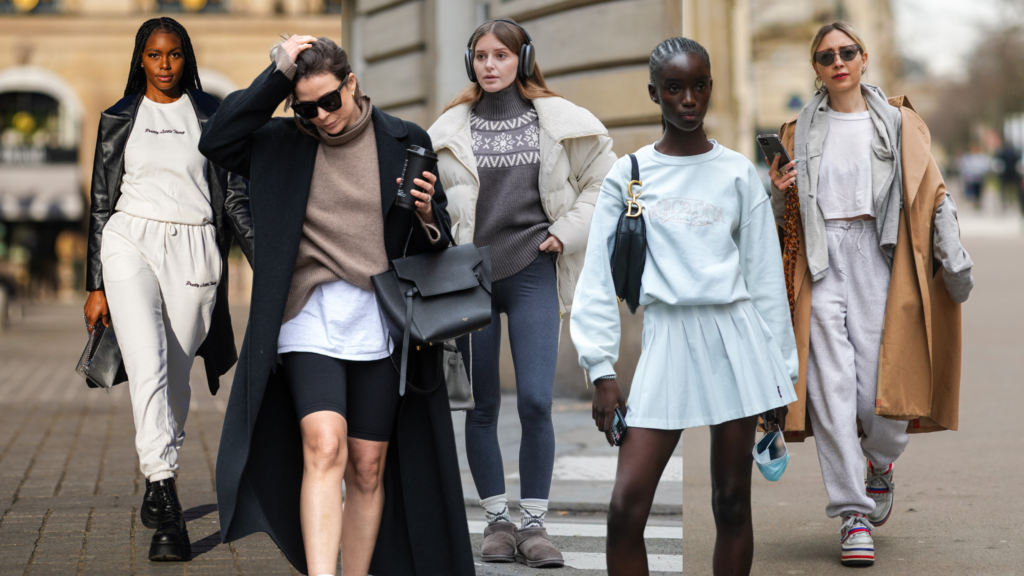
Comfort used to be something people changed into at the end of the day. Now, it’s often the starting point. The popularity of athleisure and relaxed silhouettes reflects broader cultural changes in how Americans view productivity and self-care.
This doesn’t mean people have stopped caring about appearance. Rather, standards have shifted. Clothing that allows movement, breathability, and long wear has become a baseline expectation, not a luxury.
A closet filled with soft knits, elastic waistbands, and flat shoes often points to:
- Long, multi-purpose days
- Health or mobility awareness
- A desire to feel physically at ease without appearing underdressed
In many ways, comfort has become a proxy for realism. It acknowledges how people actually move through their days, not how they imagine they should.
What Spending Patterns Reveal About Values
How often you buy clothes—and where you buy them—also tells a story. Rising inflation and economic uncertainty have changed shopping behavior across the U.S. According to the Bureau of Labor Statistics, apparel spending has grown more slowly than housing, food, and healthcare over the past several years.
As a result, many Americans are buying fewer items but expecting more from each one. This shows up in closets that prioritize:
- Neutral colors over statement pieces
- Higher-quality basics worn repeatedly
- Items researched carefully before purchase
If your closet contains fewer impulse buys and more “safe” choices, it likely reflects a cautious, value-driven approach to spending. Clothing is no longer about constant novelty; it’s about longevity and return on investment.
Sustainability and the Shift Toward Intentional Ownership
Environmental awareness has also influenced how people build their wardrobes. While not everyone shops exclusively secondhand or sustainable brands, many Americans are more conscious of waste and overconsumption.
This awareness often results in closets that are:
- Smaller but more cohesive
- Organized around mix-and-match capability
- Cleared out more regularly through resale or donation
A streamlined closet doesn’t necessarily signal minimalism as an aesthetic—it often reflects intentional living. People want clothing that earns its place, not items that sit unused and create guilt.
If you’ve stopped buying clothes “just in case” and instead focus on what you actually wear, your closet reflects a broader cultural move toward mindfulness and responsibility.
Identity, Expression, and Subtle Signaling
Even as practicality dominates, clothing remains a form of self-expression. The difference today is subtlety. Instead of bold trends, Americans often express identity through fit, texture, or small personal details.
For example:
- Someone prioritizing sustainability may favor natural fabrics
- A creative professional may dress simply but choose distinctive accessories
- A parent may opt for durable pieces that still feel put-together
Your closet likely reveals how you balance individuality with practicality. It shows where you’re willing to stand out—and where you prefer to blend in.
This balance often shifts with life stage. Major transitions—career changes, parenthood, relocation—frequently trigger wardrobe changes. Clothes are one of the first ways people adapt to new identities.
What an Overstuffed Closet Can Indicate
Not all full closets are the same. A crowded closet can signal abundance, but it can also point to unresolved habits.
Common reasons closets become overfilled include:
- Holding onto clothes tied to past roles or sizes
- Buying aspirational pieces for a lifestyle that hasn’t materialized
- Difficulty letting go due to sunk costs
In these cases, the closet reflects not current life, but imagined or previous versions of it. This disconnect often creates frustration when getting dressed feels harder than it should.
A useful exercise is noticing which items you reach for repeatedly versus those you avoid. The gap between the two often mirrors the gap between how you live and how you think you should live.
Aligning Your Closet With Your Actual Life
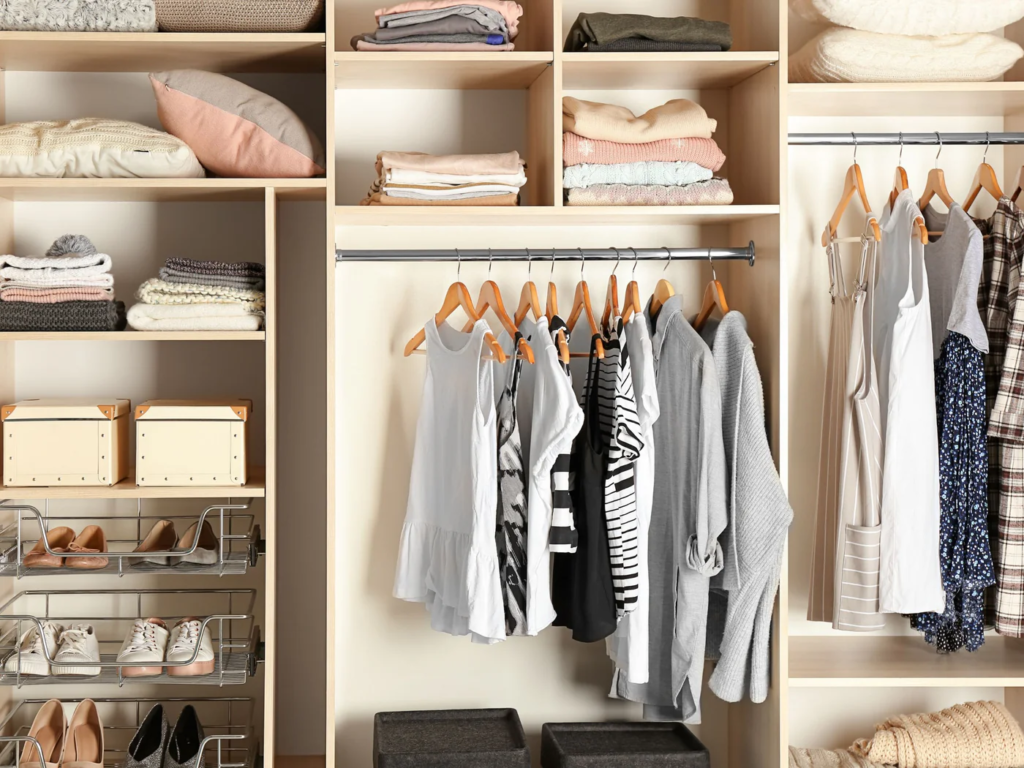
The most functional wardrobes aren’t the most stylish or expensive—they’re the most aligned. Alignment means your clothes support your routines, values, and constraints without constant adjustment.
Practical steps many Americans find helpful include:
- Auditing clothing by frequency of wear, not category
- Building outfits around real weekly activities
- Letting go of items that require effort you no longer have
When your closet matches your lifestyle, getting dressed becomes easier, not more complicated. It removes friction from mornings and reduces the sense that you’re falling short of some external standard.
Frequently Asked Questions
1. Can your wardrobe really reflect your lifestyle?
Yes. Clothing choices are shaped by work schedules, social norms, climate, and personal priorities, making closets a reliable snapshot of daily life.
2. Why do so many people feel disconnected from their closets?
Disconnection often happens when lifestyles change faster than wardrobes, leaving people with clothes that no longer match their routines.
3. Is having fewer clothes better?
Not inherently. The goal is relevance, not quantity. A larger wardrobe can work if items are worn and useful.
4. How has remote work changed American style?
It has shifted focus toward comfort, versatility, and camera-appropriate clothing rather than formal office attire.
5. What does wearing mostly neutral colors say?
It often reflects a desire for simplicity, ease of coordination, and long-term wearability.
6. How can I tell if my closet supports my lifestyle?
Notice how often getting dressed feels easy versus frustrating. Ease usually signals alignment.
7. Do clothes still communicate identity today?
Yes, but more subtly—through fit, quality, and personal details rather than obvious trends.
8. Is sustainability really influencing wardrobes?
For many Americans, yes. Even small shifts toward buying less or choosing durability reflect changing values.
9. Should I keep clothes from past phases of life?
Only if they still serve you. Holding onto unused items can create clutter and stress.
A More Honest Mirror Than We Expect
Your closet doesn’t judge, exaggerate, or curate. It simply reflects the reality of how you live—your time constraints, comfort needs, financial priorities, and evolving identity. Paying attention to it isn’t about upgrading your style; it’s about understanding yourself better and making choices that support the life you’re actually living.
What This Really Comes Down To
- Your wardrobe is shaped more by daily routines than by trends
- Comfort and versatility now signal realism, not lack of effort
- Spending habits in clothing often mirror broader financial priorities
- Alignment between lifestyle and wardrobe reduces stress and waste