
Air travel in 2026 looks more digital, more regulated, and more data-driven than ever. From biometric airport screening and dynamic airline pricing to evolving consumer protections and booking tools, travelers face new systems that reward preparation. This guide explains what’s changing, how it affects U.S. passengers, and practical strategies for navigating airports, airlines, and reservations more efficiently.
Air travel has stabilized since the volatility of the early 2020s, but the systems behind it continue to evolve. Passenger volume in the United States has returned to — and in some markets exceeded — pre-2019 levels, according to the Transportation Security Administration. With record screening numbers reported in 2024 and 2025, airports and airlines have accelerated investments in technology, automation, and infrastructure.
For travelers in 2026, the biggest changes aren’t cosmetic. They involve security processes, aircraft fleets, fare transparency, digital identity tools, and consumer protections. Understanding these shifts can reduce stress, cut costs, and prevent avoidable disruptions.
Airport Security Is Becoming More Automated
Many travelers are asking: Will airport security get faster in 2026?
The answer is nuanced. Wait times remain heavily influenced by staffing and peak demand, but technology upgrades are reshaping the screening experience.
The Transportation Security Administration has expanded the deployment of Computed Tomography (CT) scanners at major hubs. These machines allow passengers to leave electronics and liquids in carry-on bags at certain checkpoints. While not universal yet, adoption continues to grow.
Additionally, biometric facial recognition systems are being piloted and expanded at select airports. The U.S. Customs and Border Protection has implemented facial comparison technology for many international departures and arrivals, reducing boarding friction for verified travelers.
What this means in practical terms:
- Fewer bin removals in upgraded lanes
- Faster document verification at international gates
- Increased reliance on digital boarding passes
However, travelers should not assume uniform availability. Smaller airports may still use traditional screening processes.
REAL ID Enforcement Is Now a Reality
After multiple delays, REAL ID enforcement is now fully active under guidelines set by the Department of Homeland Security.
As of 2026, standard state driver’s licenses that are not REAL ID-compliant are no longer sufficient for domestic flights. Acceptable alternatives include:
- REAL ID-compliant driver’s licenses
- U.S. passports
- DHS Trusted Traveler cards
Travelers who have not upgraded their identification may experience denied boarding. This is one of the most searched travel questions entering 2026: “Do I need a REAL ID to fly domestically?” The answer is yes, unless you use a passport or approved alternative.
Airline Pricing Is More Dynamic Than Ever
Airfare in 2026 is heavily influenced by dynamic pricing algorithms. Airlines increasingly adjust fares based on demand forecasting, browsing behavior, route performance, and fuel costs.
Data from the Bureau of Transportation Statistics shows continued volatility in average domestic fares, influenced by seasonal spikes and capacity constraints.
Travelers frequently ask: Is there still a best day to book flights?
The traditional advice — “book on Tuesdays” — has largely lost relevance. Instead, pricing fluctuates continuously. Smarter strategies now include:
- Booking 1–3 months in advance for domestic trips
- Monitoring fares using airline alerts
- Considering secondary airports
- Flying midweek when possible
Flexibility has become more valuable than timing myths.
Basic Economy Has Expanded — With Tradeoffs
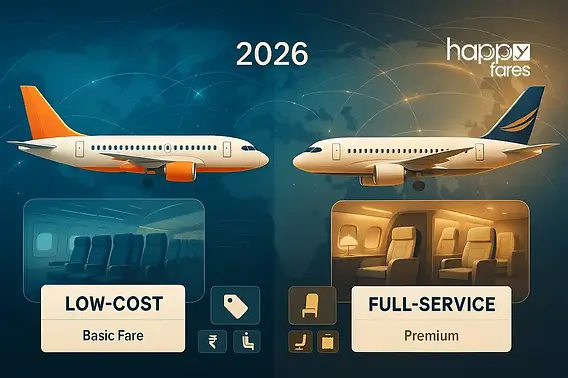
Basic Economy fares are now standard across major U.S. carriers. Airlines including American Airlines, Delta Air Lines, and United Airlines continue refining these fare classes.
While Basic Economy can offer lower upfront pricing, restrictions often include:
- No free seat selection
- Limited or no ticket changes
- Later boarding groups
- Stricter carry-on rules (on select routes)
In 2026, travelers must weigh the total cost — including baggage and seat fees — against standard economy fares. For short nonstop flights, Basic Economy may be practical. For family travel or connections, it can increase risk.
Consumer Protections Have Strengthened
One significant shift involves passenger rights. In recent years, the U.S. Department of Transportation has increased scrutiny of airline refund policies.
Key improvements include:
- Automatic refunds for canceled flights
- Clearer disclosure of ancillary fees
- Compensation guidelines for significant schedule changes
Travelers no longer need to navigate complex refund requests when airlines cancel flights outright. However, voluntary cancellations remain subject to fare rules.
Aircraft Are Changing — Quietly
Fleet modernization continues across U.S. carriers. Newer aircraft models are generally more fuel-efficient and quieter.
Airlines are gradually replacing aging fleets with aircraft that offer:
- Improved cabin air systems
- Larger overhead bins
- More fuel-efficient engines
While not every route benefits yet, regional and cross-country flights increasingly operate on newer-generation aircraft. This contributes to operational reliability and environmental performance, though weather and air traffic congestion remain major delay drivers.
Booking Platforms Are More Transparent — and More Fragmented
Travelers often ask: Should I book directly with the airline or through a third-party site?
In 2026, booking direct remains the safest approach for flexibility and post-booking support. Airlines have invested heavily in their own mobile apps, offering real-time updates, gate changes, and digital boarding passes.
However, metasearch platforms continue to provide comparison advantages. The key difference now lies in after-sale service. When disruptions occur, passengers who booked direct typically resolve issues faster.
Smarter booking practices include:
- Reviewing fare rules carefully before purchase
- Screenshotting booking confirmations
- Using travel credit cards with trip interruption protection
- Checking aircraft type and seat configuration
Airport Infrastructure Is Expanding in Secondary Cities
While major hubs like Atlanta and Dallas remain dominant, mid-sized airports are investing in modernization projects to accommodate growing passenger demand.
Upgrades include:
- Expanded concourses
- Improved dining options
- Contactless retail
- Streamlined security checkpoints
For travelers, this means more routing options without always connecting through the largest hubs.
The Rise of Subscription and Loyalty Ecosystems
Airlines are expanding subscription models and loyalty program integration. Frequent flyers increasingly benefit from co-branded credit cards that offer:
- Free checked bags
- Priority boarding
- Lounge access credits
- Companion certificates
However, the value of miles has fluctuated due to dynamic award pricing. Travelers must compare cash fares against point redemptions rather than assuming miles always provide superior value.
Frequently Asked Questions
1. Is air travel expected to be more expensive in 2026?
Pricing remains volatile and route-dependent, but competition on major routes can moderate increases.
2. Do I need a REAL ID to fly domestically?
Yes, unless you use a valid passport or other federally accepted ID.
3. Are airport security lines getting shorter?
Technology improvements help, but peak travel periods still produce congestion.
4. Is Basic Economy worth it?
It can be for short trips with minimal baggage, but restrictions are stricter.
5. Should I book directly with airlines?
Direct booking typically simplifies changes and cancellations.
6. Are flight delays increasing?
Weather and air traffic congestion remain primary causes; technology cannot eliminate these factors.
7. Are carry-on rules stricter?
Enforcement is more consistent, particularly in lower fare classes.
8. How early should I arrive at the airport?
Two hours for domestic flights remains standard; three for international.
9. Are biometric screenings mandatory?
Participation varies by airport and route; some programs remain voluntary.
10. What’s the biggest travel mistake in 2026?
Failing to review fare rules and ID requirements before departure.
Where Preparation Outperforms Prediction
Travel in 2026 is less about anticipating dramatic industry shifts and more about adapting to incremental but meaningful changes. Automation, dynamic pricing, and regulatory updates reward travelers who read policies carefully and build flexibility into plans.
The smartest travelers are not necessarily the ones who chase the lowest fare. They are the ones who:
- Understand fare restrictions
- Monitor ID requirements
- Allow buffer time
- Use reliable booking channels
- Stay informed through official agency updates
Air travel is more data-driven than ever. Travelers who match that precision with preparation are better positioned to move efficiently through airports and avoid unnecessary friction.
The 2026 Traveler’s Operating Principles
Airports are more automated. Airlines are more algorithmic. Booking platforms are more transparent yet more complex.
Navigating this landscape successfully depends on clarity rather than guesswork.
Travelers who approach flights as logistical systems — not just transportation — gain measurable advantages in time, cost control, and stress reduction.
Essential Adjustments for 2026 Flyers
- Confirm REAL ID compliance
- Book 1–3 months in advance
- Compare total fare cost, not base price
- Use airline apps for real-time updates
- Monitor refund policies
- Arrive early during peak seasons
- Prioritize flexibility over minor savings