

Summary
In the digital age, celebrities face constant visibility that blurs personal and professional boundaries. This article examines how public figures protect privacy while maintaining relevance, exploring legal tools, digital strategies, family safeguards, and platform choices. It offers real-world examples, data-backed insights, and practical context on how modern fame is managed responsibly in the United States.
Introduction: Fame Without Off Hours
For much of the 20th century, celebrity life followed a predictable rhythm. Public appearances were scheduled, media coverage was episodic, and privacy—while limited—still existed behind closed doors. Today, that separation has largely disappeared. Smartphones, social platforms, paparazzi drones, and 24/7 news cycles have created a world where visibility is continuous and control is fragile.
For American celebrities, the challenge is not simply avoiding exposure. It’s managing how they are seen, when they engage, and where they draw lines. Privacy has become less about secrecy and more about boundaries—strategic, legal, and psychological.
This article explores how celebrities navigate that balance, what tools they rely on, and what their experiences reveal about digital life in the United States.
Why Privacy Has Become Harder to Protect
The erosion of privacy is not unique to celebrities, but fame amplifies every vulnerability. According to a 2023 Pew Research Center study, over 70% of Americans believe social media companies have too much influence over personal privacy. For public figures, that concern is multiplied by scale and scrutiny.
Several forces drive this shift:
- Always-on platforms reward frequent posting and algorithmic visibility
- Citizen journalism turns bystanders into publishers
- Monetized attention incentivizes leaks, speculation, and surveillance
- Blended identities collapse personal life into brand identity
Unlike earlier eras, a single unplanned moment—captured on a phone—can circulate globally within minutes, often without context or consent.
Strategic Visibility: Choosing What to Share
Contrary to popular belief, many celebrities are not constantly online. Instead, they curate presence with intention. Strategic visibility allows public figures to remain relatable without surrendering control.
Common approaches include:
- Sharing professional milestones while withholding personal routines
- Posting delayed content rather than real-time locations
- Using controlled formats like written statements or studio interviews
- Separating personal accounts from branded or promotional profiles
This selective openness satisfies audience curiosity while minimizing risk. It also helps celebrities avoid the burnout associated with constant self-exposure.
The Role of Legal Protections in the U.S.
American law offers some privacy safeguards, though they are far from comprehensive. Celebrities frequently rely on a mix of federal, state, and civil remedies.
Key legal tools include:
- Right of publicity laws, which protect against unauthorized commercial use of name or likeness
- Anti-paparazzi statutes in states like California
- Restraining orders and cease-and-desist letters for harassment
- Defamation and false light claims in extreme cases
However, public figures face higher legal thresholds than private citizens. Courts often rule that public interest outweighs individual discomfort, making prevention more important than litigation.
Social Media: Control, Connection, and Consequences
Social platforms are both the greatest asset and greatest risk for modern celebrities. They provide direct access to audiences but also eliminate traditional filters.
Many celebrities now:
- Disable comments during sensitive periods
- Limit live streaming and spontaneous posting
- Employ social media managers to create distance
- Use platform-specific strategies rather than universal sharing
A 2024 USC Annenberg report noted that celebrities who post less frequently but more intentionally tend to experience fewer online controversies and stronger long-term engagement.
Protecting Family, Children, and Inner Circles
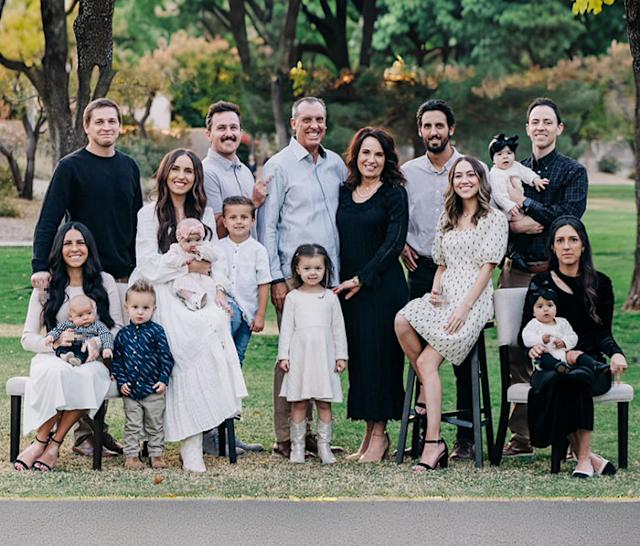
One of the most consistent boundaries celebrities enforce involves family privacy—especially children. Many public figures choose not to share names, faces, or schools, even when their own lives are highly visible.
Protective measures often include:
- Blurring or obscuring children’s faces in photos
- Avoiding geotagging family locations
- Using private security and secure schooling arrangements
- Establishing clear “off-camera” rules with friends and relatives
These boundaries are increasingly respected by American audiences, reflecting broader cultural shifts around consent and digital footprints.
Mental Health and the Cost of Constant Exposure
Privacy is not just a legal or logistical issue—it’s a mental health one. Continuous surveillance can lead to anxiety, hypervigilance, and identity fatigue.
Research from the American Psychological Association shows that individuals exposed to chronic public judgment face higher risks of depression and stress-related disorders. Celebrities often counter this by:
- Taking extended social media breaks
- Seeking confidential therapy and counseling
- Delegating public communication during crises
- Creating physical spaces free from cameras and devices
These practices mirror strategies recommended for anyone navigating high-pressure digital environments.
How Audiences Shape the Balance
Celebrity privacy is not managed in isolation. Audience behavior plays a powerful role. In recent years, American consumers have shown growing discomfort with invasive coverage, particularly involving health, grief, or family matters.
This has led to:
- Greater acceptance of “no comment” responses
- Backlash against paparazzi harassment
- Increased support for celebrities setting boundaries publicly
The relationship between public figures and audiences is evolving from entitlement toward negotiated respect.
Frequently Asked Questions
Why do celebrities share some personal details but not others?
Selective sharing helps maintain relatability while protecting safety, mental health, and family privacy.
Can celebrities legally stop paparazzi in the U.S.?
In limited cases. Laws vary by state, and public interest often limits enforcement.
Do celebrities control their own social media accounts?
Many do, but often with support from managers or digital teams.
Why do some celebrities suddenly disappear from social media?
Breaks are often taken for mental health, family reasons, or crisis management.
Is privacy harder for celebrities than before social media?
Yes. Real-time sharing and global distribution have significantly reduced control.
How do celebrities protect their children online?
By limiting images, avoiding location data, and setting firm boundaries with media.
Do audiences respect celebrity privacy more today?
Generally yes, especially regarding children and health issues.
What platforms are considered safest for celebrities?
Private or controlled platforms with moderation tools, though no platform is risk-free.
Can celebrities fully opt out of public life?
Rarely, but many significantly reduce exposure outside professional obligations.
Where Privacy Becomes a Personal Statement
In today’s media environment, how a celebrity protects privacy often says as much as what they choose to share. Boundaries have become part of public identity—signals of values, priorities, and self-respect. As digital culture continues to evolve, the most sustainable forms of fame may belong to those who treat privacy not as a weakness, but as a form of leadership.
Key Insights at a Glance
- Privacy management is now strategic, not absolute
- Legal tools exist but prevention is more effective than enforcement
- Audiences increasingly support boundary-setting
- Mental health considerations drive many privacy decisions
- The future of fame favors intentional visibility