
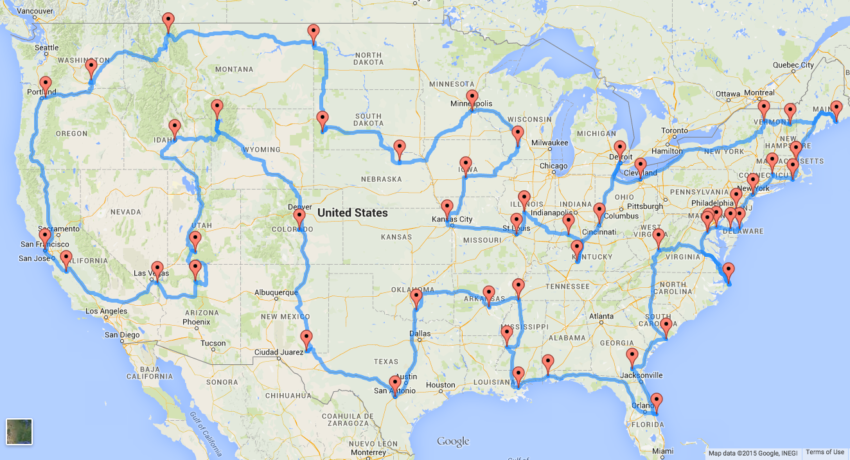
The American road trip remains one of the most flexible and revealing ways to experience the United States. But today’s most rewarding journeys aren’t always found on heavily traveled highways. This guide explores alternative routes, overlooked regions, practical planning strategies, and data-informed insights that help travelers experience a more nuanced, less crowded, and culturally rich side of America.
For generations, the American road trip has symbolized independence and discovery. Yet many classic routes—while iconic—have grown crowded, commercialized, or predictable. According to the U.S. Travel Association, domestic leisure travel continues to dominate U.S. tourism spending, with road trips accounting for a substantial share of vacations under 500 miles. Americans are still driving—but increasingly looking for experiences that feel authentic, less congested, and culturally grounded.
Reconsidering the road trip doesn’t mean abandoning tradition. It means choosing routes that emphasize regional character, scenic diversity, and slower exploration over checklist tourism.
Below are thoughtfully selected drives that reveal a different side of the United States—along with practical strategies to plan them well.
Why Rethink the Classic Road Trip?
Search data shows that Americans frequently ask:
- “Where can I road trip without crowds?”
- “What are underrated U.S. road trips?”
- “What are scenic drives besides Route 66?”
- “How do I plan a 5-day road trip efficiently?”
The appeal is clear: flexibility, cost control, and proximity. According to AAA, road travel remains the preferred vacation mode for many U.S. households due to fuel predictability, scheduling freedom, and easier logistics compared to air travel disruptions.
However, congestion at major parks and interstates has reshaped traveler behavior. The National Park Service has reported record visitation numbers in recent years, particularly at marquee parks like Yosemite National Park and Grand Canyon National Park. In response, many travelers are seeking state parks, byways, and secondary highways that offer similar landscapes without peak-season intensity.
Route 1: The Great River Road — America Along the Mississippi
Stretching roughly 3,000 miles along the Mississippi River from Minnesota to Louisiana, the Great River Road offers an immersive look at American geography, music, agriculture, and regional identity.
Unlike high-speed interstate travel, this route prioritizes two-lane highways and riverfront towns.
Highlights include:
- Bluff country near La Crosse, Wisconsin
- Mark Twain’s hometown of Hannibal, Missouri
- Civil Rights history in the Mississippi Delta
- Cajun culture in southern Louisiana
Stops like Natchez and Vicksburg offer architectural preservation and layered history that many travelers overlook in favor of coastal destinations.
Best For: History-focused travelers, music enthusiasts, cultural road trippers
Ideal Duration: 5–10 days (choose a region segment)
When to Go: Spring and fall for mild weather and manageable humidity
Route 2: U.S. Highway 89 — The National Park Connector
Often called the “National Park Highway,” U.S. 89 links several Western parks without relying entirely on I-15 or I-70.
Travelers can connect:
- Grand Teton National Park
- Yellowstone National Park
- Bryce Canyon National Park
- Zion National Park
But reconsidering this route means focusing on the space between them—small ranch towns, state parks, and less-visited scenic byways.
Travelers often ask: “How do I visit multiple national parks without feeling rushed?”
The answer lies in spacing. Instead of four parks in five days, consider:
- Two parks
- Two lesser-known state parks
- One rest day in a smaller town
This approach reduces fatigue and deepens experience.
Route 3: The North Shore Drive — Minnesota’s Lake Superior Coast
From Duluth to Grand Marais, Minnesota’s Highway 61 offers rugged cliffs, lighthouses, and cool summer temperatures.
Anchored by Duluth and Grand Marais, this drive appeals to travelers seeking coastal beauty without coastal crowds.
What surprises many visitors is how distinctly northern the landscape feels—more akin to Ontario than typical Midwestern scenery.
Key stops include:
- Gooseberry Falls State Park
- Split Rock Lighthouse
- Temperance River State Park
Practical Tip: Lodging fills early in peak summer. Book 2–3 months ahead for weekend stays.
Route 4: The High Road to Taos — New Mexico’s Cultural Corridor
The High Road between Santa Fe and Taos winds through mountain villages known for adobe architecture, traditional weaving, and centuries-old churches.
Unlike faster routes, this drive rewards deliberate pacing.
Travelers encounter:
- Artisan studios
- Family-owned restaurants
- Spanish colonial history
- Pueblo cultural influence
The route provides context beyond the better-known art markets of Santa Fe, offering a deeper understanding of regional heritage.
Best Season: Late spring and early fall
Driving Time (without stops): About 2.5 hours
Recommended Time: Full day or overnight stay
Route 5: The Driftless Area — A Midwest Surprise
Covering parts of Wisconsin, Iowa, Minnesota, and Illinois, the Driftless Area escaped glaciation during the last Ice Age, resulting in dramatic bluffs and river valleys.
Few Americans actively search for “Driftless Area road trip,” yet it consistently surprises first-time visitors.
Base yourself near towns like:
- Galena
- Decorah
Expect scenic farm roads, independent breweries, and minimal highway congestion.
Route 6: Maine’s Route 1 — Beyond the Lobster Roll
While parts of coastal Maine draw summer crowds, Route 1 reveals quieter fishing villages and forested peninsulas.
Travelers frequently search: “Is Maine crowded in summer?” The answer depends on location. While Acadia National Park sees peak-season demand, many smaller towns north of Camden remain calmer.
For a more reflective experience:
- Travel in June or September
- Stay midweek
- Prioritize sunrise coastal walks over midday tourism
Planning a Road Trip That Feels Intentional
Reconsidering your route also means reconsidering how you plan.
How Far Should You Drive Per Day?
AAA and experienced road trippers recommend limiting driving to 4–6 hours daily for comfort and flexibility. Overdriving reduces spontaneity.
How Do You Avoid Crowds?
- Travel shoulder season
- Start driving early (before 8 a.m.)
- Visit major attractions midweek
- Stay outside park entrances
Is a Road Trip Cost-Effective?
Costs vary, but fuel remains more predictable than airfare. Use fuel calculators and monitor regional pricing trends. Booking refundable lodging increases flexibility.
How Do You Find Underrated Stops?
- State tourism websites
- Scenic byway designations
- Local historical societies
- Independent bookstores and cafes
Data Behind the Road Trip Resurgence
Recent transportation and tourism data shows:
- Domestic leisure trips under 300 miles have grown steadily.
- Travelers increasingly combine remote work with regional travel.
- Smaller towns report higher weekend occupancy rates.
Organizations like the Bureau of Transportation Statistics note that personal vehicle travel remains dominant for intercity trips under 500 miles.
The takeaway: Americans aren’t traveling less—they’re traveling differently.
Frequently Asked Questions
1. What is the most scenic road trip in the U.S.?
Scenery depends on preference. Mountain landscapes dominate routes like U.S. 89, while coastal routes like Maine’s Route 1 offer ocean views.
2. How long should a U.S. road trip be?
Five to seven days allows meaningful exploration without fatigue.
3. What’s the best time of year for a road trip?
Spring and fall typically offer better weather and fewer crowds.
4. Are national parks too crowded for road trips?
Some are during peak months. Consider visiting state parks nearby.
5. How do I plan a multi-state road trip?
Focus on one geographic corridor rather than zig-zagging.
6. Is it cheaper to road trip or fly?
For families or groups traveling within 500 miles, driving is often more economical.
7. How do I avoid highway monotony?
Choose scenic byways and secondary highways.
8. What apps help with road trips?
Navigation apps, state park apps, and gas price trackers are essential.
9. How far in advance should I book lodging?
2–3 months for peak season; 3–6 weeks for shoulder season.
10. Are road trips safe for solo travelers?
Yes, with standard safety planning and itinerary sharing.
Driving Toward a More Thoughtful Journey
The American road trip still offers freedom—but freedom is most meaningful when paired with intention. Choosing lesser-traveled corridors, allowing time for unplanned stops, and engaging with regional culture transforms a drive into a deeper exploration.
The difference between checking off destinations and truly experiencing them often comes down to pace. When you allow room for curiosity—whether in a river town, mountain village, or rural backroad—you begin to see the United States not as a series of attractions, but as interconnected communities with distinct identities.
At-a-Glance Route Insights
- Prioritize scenic byways over interstates
- Limit daily driving to 4–6 hours
- Travel shoulder seasons for fewer crowds
- Pair major parks with lesser-known stops
- Book lodging early in peak regions
- Explore river towns and mountain villages
- Use regional tourism resources
- Focus on one corridor at a time