
Summary
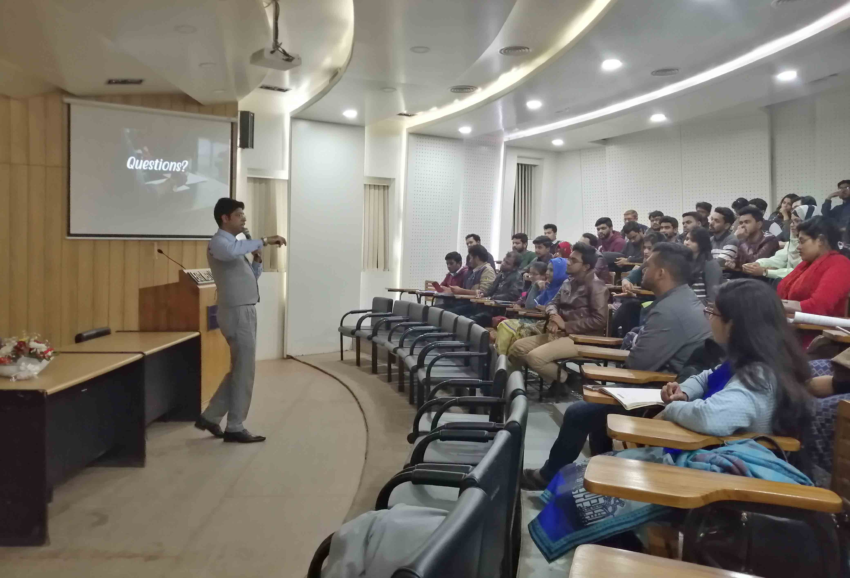
Motivational speakers are increasingly shaping conversations in business, education, healthcare, and leadership—not as hype-driven figures, but as trusted communicators of lived experience. Their growing influence reflects a broader demand for clarity, credibility, and practical insight in a fragmented media environment where Americans seek guidance they can apply in real life.
The Shift From Inspiration to Credibility
For decades, motivational speakers were largely associated with self-help seminars, high-energy events, and personal transformation narratives. While those elements still exist, the role of the motivational speaker has expanded significantly. Today, many speakers are sought out not for emotional uplift alone, but for perspective, context, and applied knowledge across industries.
This shift is partly driven by audience fatigue. Americans are exposed to constant advice—on social media, podcasts, and workplace platforms—yet much of it feels repetitive or ungrounded. In contrast, experienced motivational speakers often bring structured frameworks, real-world lessons, and accountability grounded in professional or lived expertise. The result is a growing perception of these speakers as credible voices rather than entertainers.
Why Trust Has Become the Central Currency
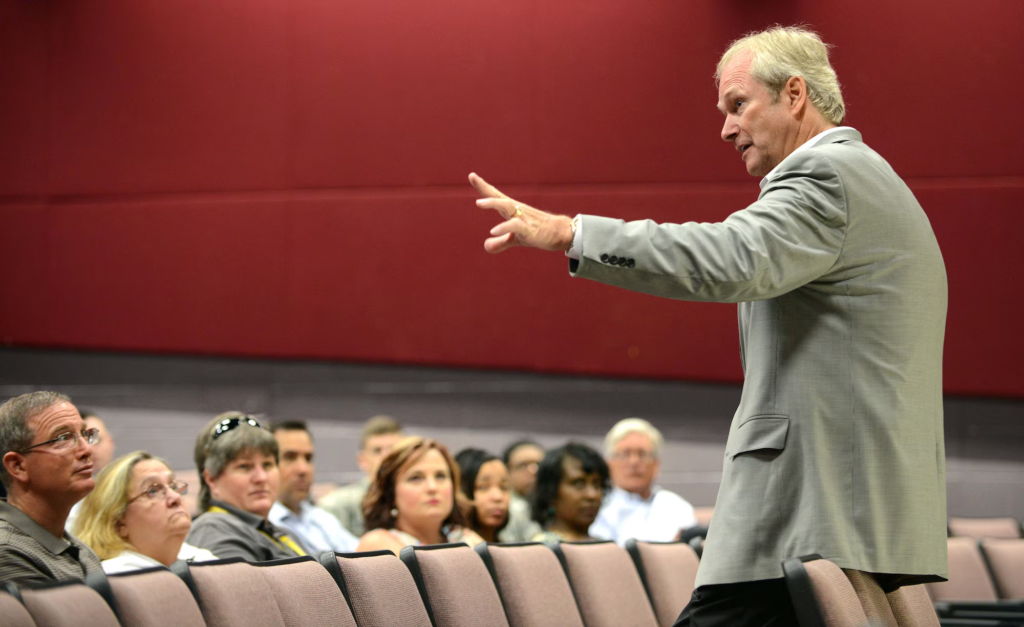
Trust is now one of the most scarce resources in the modern information economy. According to Pew Research Center, trust in traditional institutions—media, government, and corporations—has declined steadily over the past two decades. As confidence in formal authority erodes, audiences increasingly look to individuals who communicate directly, transparently, and consistently.
Motivational speakers often succeed in this environment because they:
- Speak from direct experience rather than abstract theory
- Communicate in plain, accessible language
- Acknowledge uncertainty instead of overselling certainty
When a speaker like Simon Sinek discusses leadership, his credibility stems not from hype but from years of research, organizational consulting, and repeatable frameworks. The audience response is rooted in perceived sincerity and relevance, not spectacle.
Expansion Into Business and Organizational Leadership
One of the clearest indicators of this evolution is the integration of motivational speakers into corporate and organizational settings. Fortune 500 companies, healthcare systems, and public agencies now routinely engage speakers to address topics such as leadership under pressure, ethical decision-making, resilience, and cultural change.
Unlike traditional consultants, speakers often serve as interpreters—translating complex organizational challenges into human-centered narratives. This allows teams to see abstract goals, such as “innovation” or “psychological safety,” as actionable behaviors rather than buzzwords.
In many cases, speakers act as temporary but impactful cultural catalysts. Their value lies not in long-term management, but in creating shared language and urgency that leaders can build upon.
The Role of Lived Experience in Building Authority
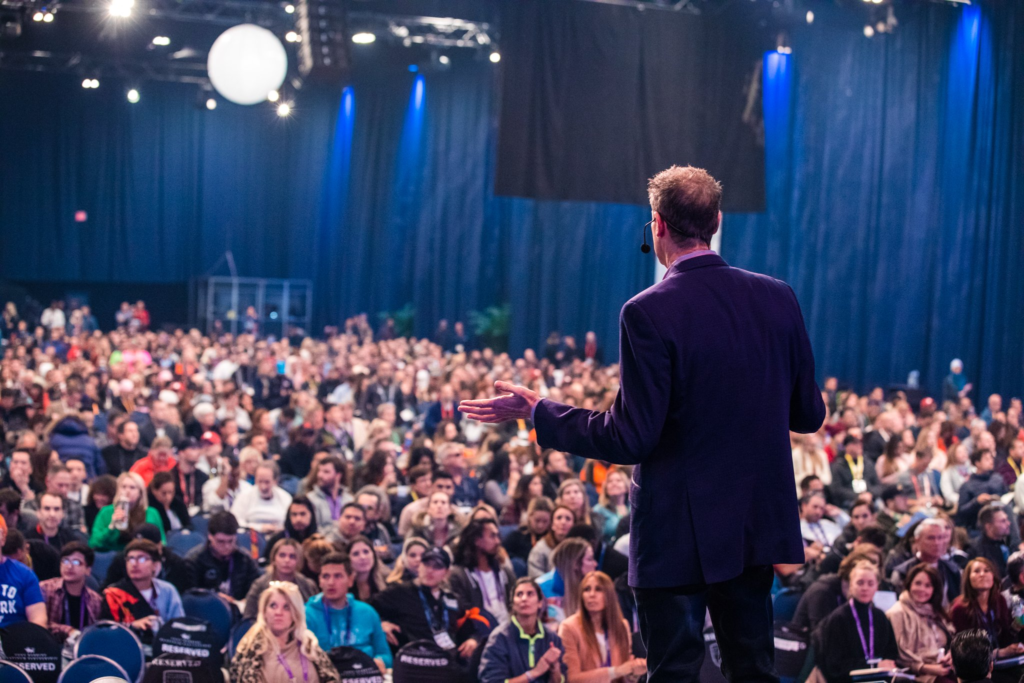
A defining characteristic of modern motivational speakers is the increasing emphasis on lived experience. Audiences are far more likely to trust speakers who have navigated real setbacks—career failure, trauma, systemic barriers, or ethical dilemmas—than those who present purely aspirational messages.
Speakers like Brené Brown draw trust by pairing academic rigor with personal vulnerability. Her work on vulnerability and leadership resonates because it bridges research with real-world application, offering tools rather than platitudes.
This blend of credibility and relatability allows motivational speakers to operate in spaces traditionally reserved for educators, psychologists, and organizational leaders—without replacing them.
Motivational Speakers in Education and Youth Development
Schools and universities increasingly rely on motivational speakers to address topics that fall outside standard curricula, including emotional resilience, career navigation, and social responsibility. Educators often report that external speakers can reach students in ways institutions cannot—by reframing familiar advice through personal narrative.
Importantly, effective speakers in educational contexts avoid preaching. They focus instead on storytelling, reflection, and dialogue. This approach aligns with how younger audiences process information: interactively, critically, and contextually.
As student mental health concerns rise across the US, speakers who can responsibly discuss stress, failure, and perseverance—without minimizing complexity—are becoming valued contributors to broader support ecosystems.
Healthcare, Wellness, and the Ethics of Influence
Healthcare organizations increasingly invite motivational speakers to support clinicians facing burnout, moral injury, and sustained pressure. In these environments, credibility is especially fragile. Speakers who oversimplify or overpromise are quickly dismissed.
Those who succeed understand boundaries. They do not position themselves as replacements for clinical care or systemic reform. Instead, they provide language for reflection, validation for shared challenges, and strategies for personal sustainability within imperfect systems.
This ethical awareness is a key reason motivational speakers are gaining trust. By acknowledging limits—what motivation can and cannot solve—they strengthen rather than weaken their authority.
Media Fragmentation and the Rise of Long-Form Voices
Another factor driving trust is format. Motivational speakers often engage audiences through long-form platforms—podcasts, keynote recordings, lectures—rather than short viral clips. These formats allow nuance, contradiction, and depth, which audiences increasingly associate with honesty.
Figures such as Malcolm Gladwell have shown how thoughtful storytelling can influence public understanding across domains, from economics to social behavior. While not traditionally labeled as motivational speakers, their work demonstrates how insight-driven communication builds lasting trust.
What Americans Are Actively Searching For
Search behavior reveals a shift in expectations. Common US-based queries include:
- “Are motivational speakers credible?”
- “Do motivational speakers actually help at work?”
- “How do motivational speakers influence leadership?”
- “What makes a speaker trustworthy?”
These questions reflect skepticism paired with curiosity. Readers are not rejecting motivational speakers outright; they are evaluating them more critically. Those who answer these questions honestly—without exaggeration—are the ones gaining influence beyond self-help.
Practical Examples of Influence Beyond the Stage
Consider a mid-sized manufacturing company facing high turnover. Instead of launching another internal initiative, leadership brings in a speaker with experience scaling operations under workforce pressure. The speaker doesn’t offer quick fixes but reframes retention as a leadership communication issue. Six months later, exit interviews reflect improved managerial clarity.
In another case, a public university invites a speaker who overcame socioeconomic barriers to discuss career adaptability. Students report not feeling “motivated” so much as better informed about navigating uncertainty.
These examples illustrate how trust emerges when motivation is paired with applicability.
Frequently Asked Questions
Are motivational speakers different from self-help gurus?
Yes. While overlap exists, trusted motivational speakers typically emphasize experience, evidence, and application rather than promises of transformation.
Why do companies hire motivational speakers instead of consultants?
Speakers often provide clarity, alignment, and shared language more quickly, complementing—not replacing—consulting work.
Can motivational speakers influence workplace culture?
They can initiate change by reframing issues, though sustained impact depends on leadership follow-through.
Are motivational speakers evidence-based?
The most credible speakers reference research, data, or professional experience and clearly distinguish opinion from evidence.
Do motivational speakers help with burnout?
They can support reflection and coping strategies but are not substitutes for systemic or clinical solutions.
How can audiences evaluate a speaker’s credibility?
Look for transparency, specificity, acknowledgment of limits, and consistency across platforms.
Are motivational speakers relevant to younger generations?
Yes, especially when they engage interactively and address real-world uncertainty rather than abstract success.
Is this trend likely to continue?
As long as institutional trust remains low, individuals who communicate clearly and responsibly will continue to gain influence.
Do motivational speakers replace traditional experts?
No. They often act as translators and connectors between expertise and everyday application.
Where Credibility Quietly Becomes Influence
Motivational speakers are no longer defined by volume or charisma alone. Their growing presence in serious conversations reflects a deeper cultural shift—one where Americans value clarity over certainty and experience over slogans. As long as speakers continue to respect complexity and responsibility, their influence will extend well beyond inspiration.
Key Signals Readers Should Notice
- Trust grows from consistency, not intensity
- Applicability matters more than enthusiasm
- Credible speakers acknowledge limits
- Long-form communication builds confidence
- Influence follows responsibility, not the reverse