
SUMMARY
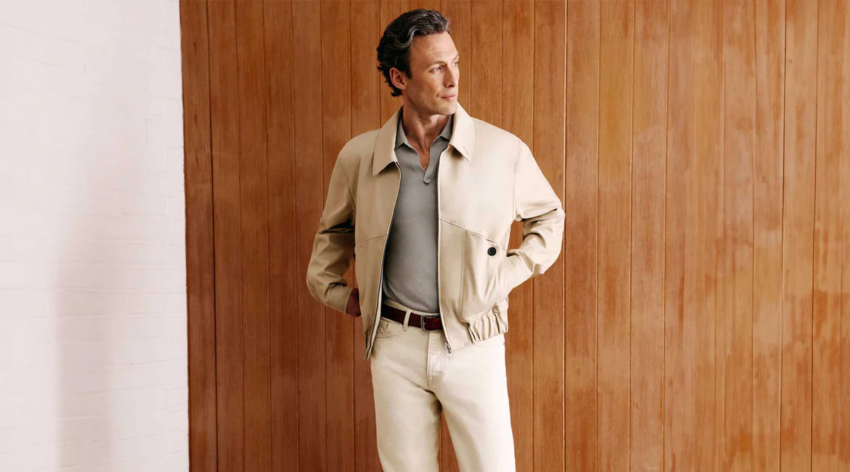
Men’s fashion in the U.S. is undergoing a subtle but meaningful transformation. Stylists and designers point to a shift away from trend-driven dressing toward fit, function, longevity, and personal identity. This change reflects evolving lifestyles, workplace norms, and values—resulting in wardrobes that are simpler, smarter, and far more intentional.
A Change You Don’t Notice—Until You Do
Men’s fashion rarely changes overnight. Unlike women’s fashion, which often evolves in visible seasonal waves, men’s style tends to shift quietly—through small adjustments in fit, fabric, and priorities. According to many U.S.-based stylists, that’s exactly what’s happening now.
Walk through an airport, a coffee shop, or a modern office and you’ll notice fewer loud logos, slimmer but not tight silhouettes, and clothing that feels designed to work in real life. This isn’t about chasing trends. It’s about solving problems men have had with clothing for decades.
Stylists increasingly describe this moment as “long overdue,” not because men lacked style before, but because the industry often failed to reflect how men actually live.
Why Traditional Men’s Fashion Started Falling Short
For years, men were offered two extremes: rigid formality or casual wear that sacrificed quality. Suits assumed daily office commutes. Casual clothing leaned disposable. Neither reflected modern American life.
Several forces exposed the disconnect:
- Workplace evolution: Hybrid and remote work blurred the line between professional and casual dress.
- Lifestyle fluidity: Men now move between work, family, travel, and social settings in a single day.
- Rising cost awareness: With inflation affecting discretionary spending, men expect more value per garment.
According to data from the U.S. Bureau of Labor Statistics, apparel spending for men has grown more slowly than women’s, suggesting increased selectiveness rather than disinterest. Men aren’t buying less because they care less—they’re buying more carefully.
The Core of the Shift: Fit, Function, and Longevity
Ask any experienced stylist what has changed most, and the answer is consistent: priorities.
Fit Has Become Non-Negotiable
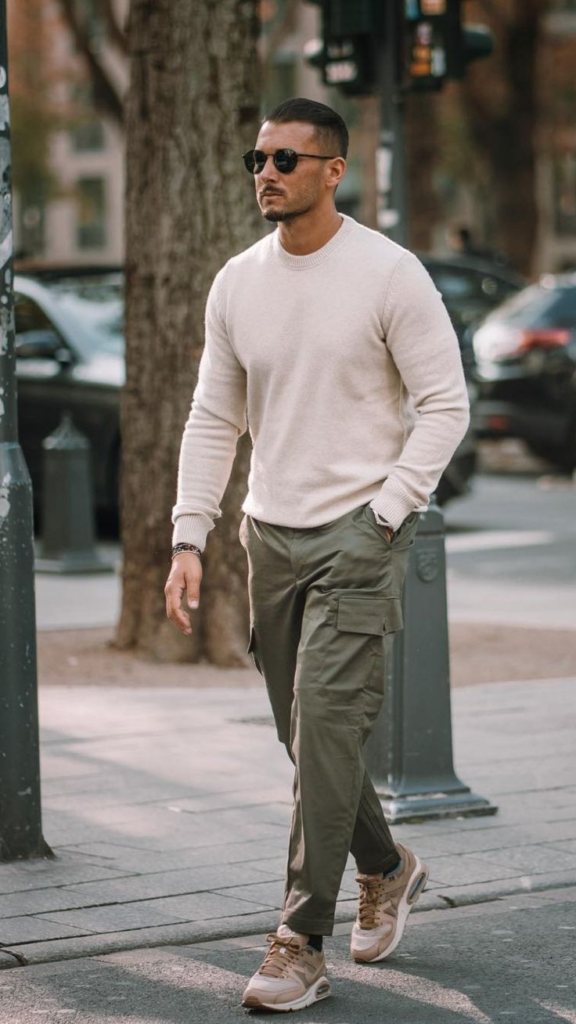
American men are paying closer attention to how clothes fit their bodies—not mannequins or runway models. This doesn’t mean tighter clothing. It means better proportions: shoulders that align, pants that break cleanly, and jackets designed for movement.
Tailoring, once considered optional or expensive, is increasingly seen as essential. Even affordable garments can look intentional when adjusted correctly.
Function Matters More Than Flash
Men want clothing that performs. Breathable fabrics, stretch weaves, wrinkle resistance, and temperature regulation are no longer niche features. They’re expectations.
This is especially visible in categories like:
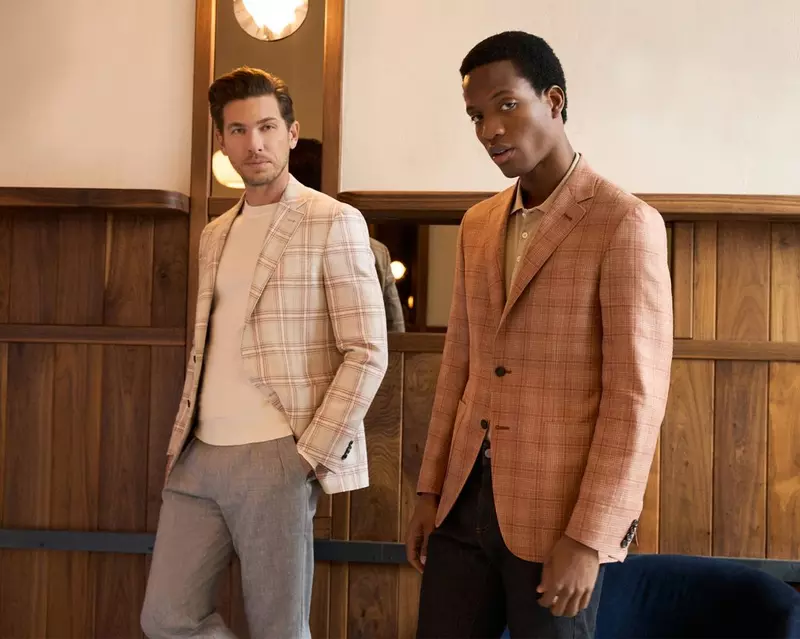
- Travel-friendly blazers
- Stretch denim with structured shape
- Knit dress shirts that move like athletic wear
Function doesn’t replace style—it supports it.
Longevity Over Trends
Fast fashion fatigue is real. Stylists report that clients now ask how long a piece will last, not whether it’s “in.” Neutral colors, durable fabrics, and timeless cuts dominate purchasing decisions.
A 2023 McKinsey apparel report found that durability and versatility ranked among the top three decision factors for U.S. male shoppers over 30.
How Lifestyle Changes Rewired the American Wardrobe
Men aren’t dressing for static roles anymore. A single day might include a video call, school pickup, errands, dinner, and travel planning. Clothing now has to adapt.
This reality has fueled the rise of “transitional” dressing—pieces that move easily between contexts without costume changes.
Common examples include:
- Lightweight jackets that layer over tees or button-downs
- Clean sneakers suitable for offices and weekends
- Polished knitwear replacing stiff dress shirts
Stylists emphasize that this isn’t about looking casual—it’s about looking appropriate everywhere.
The Decline of Logo-Centric Dressing
One of the most noticeable—but least discussed—changes is the decline of overt branding. Large logos once signaled status or trend awareness. Today, many men prefer subtlety.
This shift reflects a broader cultural movement toward quiet confidence. Clothes no longer need to announce their price or brand. Quality, fit, and material do the talking.
Stylists note that men with established careers or families are especially drawn to this approach. It aligns with a desire to look put-together without appearing performative.
What Stylists Are Recommending Instead
Rather than prescribing trends, modern stylists focus on systems—wardrobes that function cohesively.
They often guide clients toward:
- Capsule foundations: Fewer pieces that mix easily
- Neutral palettes: Navy, gray, olive, beige, and off-white
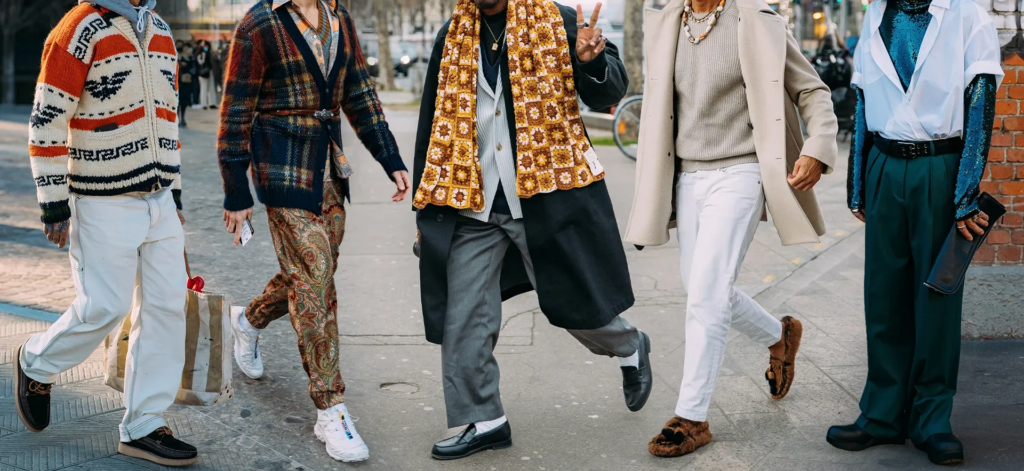
- Texture over pattern: Visual interest without visual noise
This approach reduces decision fatigue and improves consistency. Men spend less time shopping and more time wearing what they already own.
Addressing Common Questions Men Are Asking Online
Search behavior in the U.S. reveals clear concerns about practicality and relevance. Men want reassurance that style can be simple, age-appropriate, and worth the investment.
This shift answers questions like:
- “What should I wear to look professional without a suit?”
- “How do I dress well without following trends?”
- “What clothes are worth spending more on?”
The industry’s response suggests that these questions are finally being taken seriously.
The Role of Sustainability—Without the Marketing Spin
While sustainability is often discussed, stylists caution against framing it as a trend. Instead, it’s a byproduct of smarter consumption.
Buying fewer, better-made garments naturally reduces waste. Many men adopt sustainable habits not out of ideology, but practicality—clothes that last simply make sense.
This understated approach resonates more strongly with U.S. men than overt eco-marketing.
FAQs
1. Is men’s fashion becoming more casual overall?
It’s becoming more flexible, not careless. The emphasis is on adaptability rather than formality.
2. Do I need to rebuild my wardrobe to keep up?
No. Most men benefit from refining fit and replacing only the weakest pieces.
3. Are trends still relevant in men’s fashion?
Yes, but they’re secondary to fundamentals like fit, fabric, and function.
4. What age group is driving this shift?
Primarily men aged 30–55, though younger men are adopting similar values earlier.
5. Is tailoring really worth the cost?
In most cases, yes. Small adjustments can significantly improve appearance.
6. How many outfits should a functional wardrobe have?
Stylists often recommend 25–35 interchangeable core pieces.
7. Are sneakers acceptable in professional settings now?
In many U.S. workplaces, yes—if they’re clean, minimal, and well-made.
8. What’s the biggest mistake men still make?
Buying items individually rather than considering how they work together.
9. Does this shift favor higher-income consumers?
Not necessarily. Intentional buying often saves money long-term.
Why This Moment Actually Matters
This shift isn’t about fashion for fashion’s sake. It’s about alignment. Men’s clothing is finally catching up to men’s lives—busy, varied, and grounded in real responsibilities.
Stylists see this as a correction, not a revolution. And for many men, it’s a welcome one.
When Clothing Starts Working With You
Men’s fashion doesn’t need to shout to be effective. The quiet shift happening now reflects maturity—both in the industry and among the men it serves. Dressing well has become less about proving something and more about supporting how life is actually lived.
What This Shift Ultimately Delivers
- More consistency and confidence in daily dressing
- Fewer purchases with better long-term value
- Clothing that adapts to modern American lifestyles
- A style approach rooted in practicality, not pressure