

Summary
Balanced eating has evolved from rigid food group rules into a more flexible, personalized approach shaped by lifestyle changes, nutrition science, and cultural shifts. Today, balance considers timing, food quality, metabolic health, accessibility, and sustainability—reflecting how Americans actually live, work, and eat. Understanding this shift helps people make realistic, long-term nutrition choices.
Introduction: A Familiar Phrase, a New Meaning
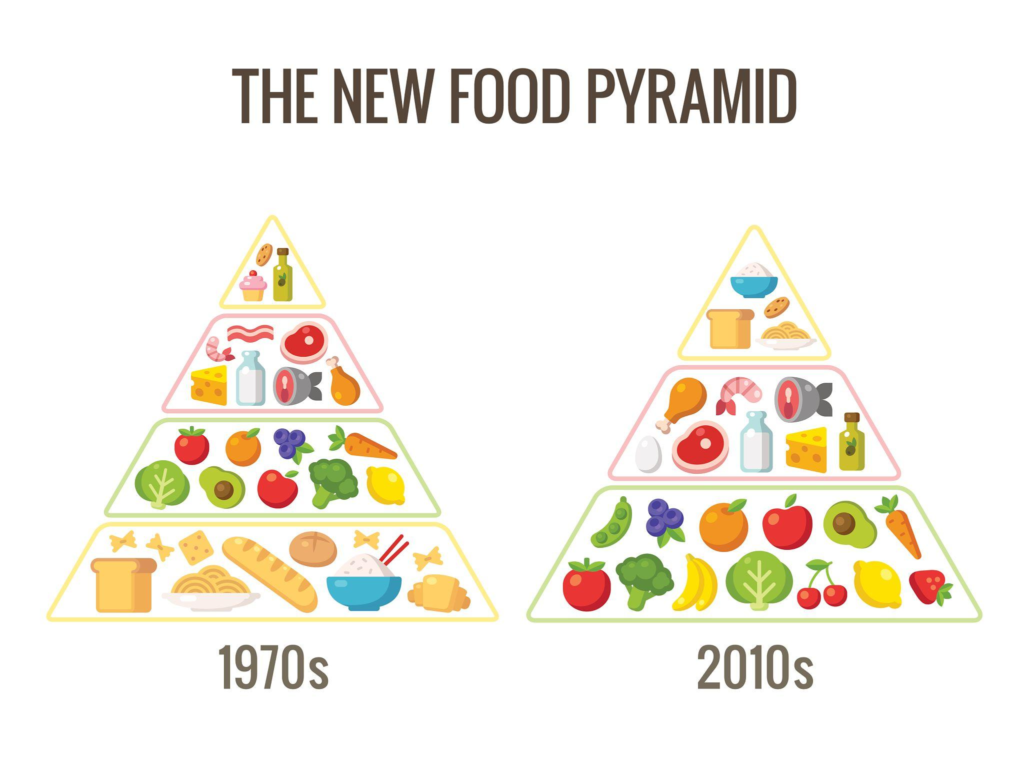
For decades, “balanced eating” was presented as a straightforward equation: eat from all the food groups, watch portions, and limit indulgences. In the early 2010s, the guidance was largely standardized, visualized through diagrams like MyPlate, and reinforced through calorie-focused advice.
Today, that definition feels incomplete.
Over the past ten years, American lifestyles, work patterns, food availability, and scientific understanding of nutrition have changed substantially. The result is a quieter but meaningful shift in how health professionals, policymakers, and everyday people think about what balance actually looks like on a plate—and across a week of eating.
Balanced eating in 2026 is less about following a fixed template and more about navigating real life with informed, adaptable choices.
What “Balanced Eating” Meant a Decade Ago
Ten years ago, mainstream nutrition advice in the U.S. emphasized consistency and structure. The prevailing approach focused on:
- Hitting recommended daily servings from major food groups
- Managing calorie intake to support weight goals
- Reducing fat, sodium, and added sugars
- Eating three structured meals per day
This framework was influenced by population-level dietary guidelines designed to address widespread issues such as heart disease and obesity. While well-intentioned, it often assumed ideal conditions: predictable schedules, home-cooked meals, and access to a wide range of foods.
For many Americans, those assumptions no longer reflect daily reality.

Why the Old Model Started to Feel Outdated
Several factors exposed the limitations of the traditional balanced eating model.
Workdays became longer and less predictable. Remote work blurred meal boundaries. Food delivery expanded access but also increased reliance on prepared foods. At the same time, nutrition research began highlighting how individuals respond differently to the same foods based on age, activity level, metabolic health, and cultural eating patterns.
A rigid framework struggled to answer common questions people were asking, such as:
- Why do two people eating the same diet feel so different?
- How should eating change with age or stress?
- Is balance possible when cooking every meal isn’t realistic?
The old definition lacked flexibility, personalization, and context.
How Nutrition Science Changed the Conversation
One of the most significant shifts came from advances in nutrition science. Rather than focusing solely on calories or macronutrient percentages, researchers began examining how food quality, timing, and patterns affect health outcomes.
Key findings influencing today’s definition of balance include:
- Food quality matters as much as quantity. Diets emphasizing minimally processed foods are consistently associated with better cardiometabolic health, even when calories are similar.
- Metabolic responses vary. Blood sugar, satiety, and energy levels differ significantly between individuals consuming identical meals.
- Diet patterns matter more than single meals. Long-term consistency has greater impact than occasional indulgences.
These insights encouraged a shift away from “perfect days” of eating toward sustainable habits over time.
The Role of Lifestyle in Modern Balance
Balanced eating today acknowledges that food choices exist within a broader lifestyle context.
A working parent juggling school schedules, a nurse on rotating shifts, and a remote employee with flexible hours all face different nutritional challenges. Modern balance considers factors such as:
- Meal timing flexibility
- Energy needs based on activity and stress
- Convenience without nutritional compromise
- Mental relationship with food
For example, a balanced approach for someone working 12-hour shifts may prioritize nutrient-dense convenience foods and consistent fueling over strict meal timing. A decade ago, that same pattern might have been labeled “unstructured” or unhealthy.
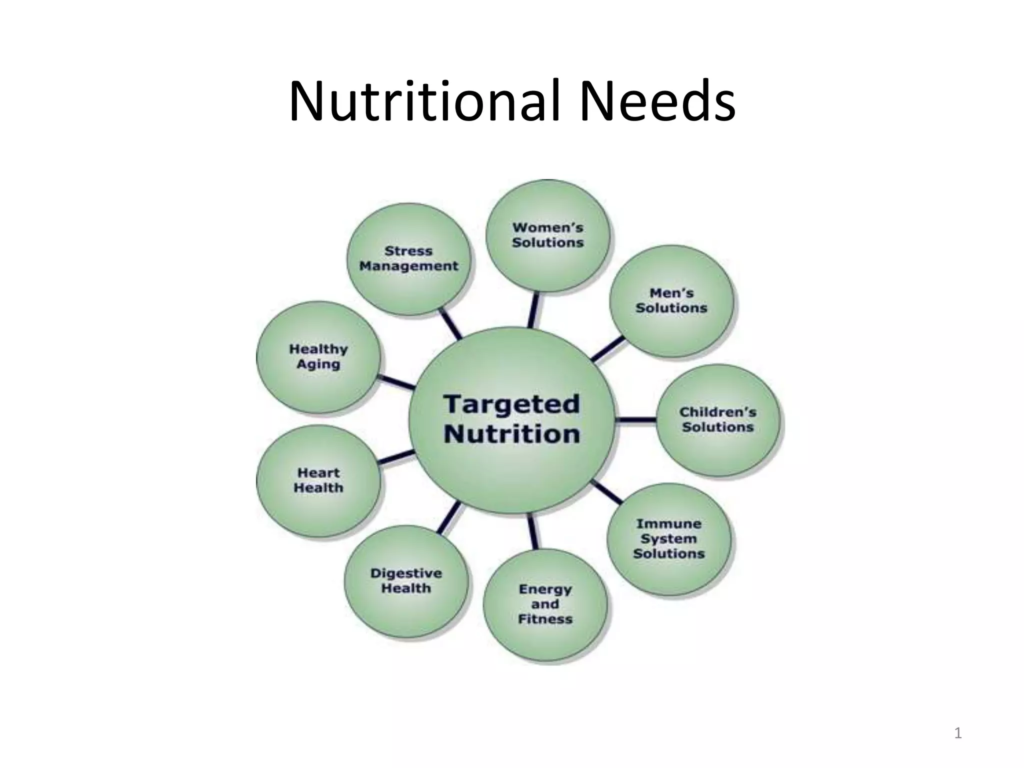
Personalization Has Replaced One-Size-Fits-All
Another defining difference is the move toward personalization.
Today’s balanced eating approach recognizes variations in:
- Age-related nutritional needs
- Cultural food traditions
- Health conditions such as insulin resistance or digestive sensitivity
- Ethical and environmental preferences
Rather than prescribing identical meal plans, nutrition professionals increasingly guide people to build balance within their own context. This might mean emphasizing protein and fiber for satiety, adjusting carbohydrates around activity levels, or accommodating food intolerances without unnecessary restriction.
Balance has become individualized rather than standardized.
The Rise of Dietary Flexibility
A decade ago, balance was often framed as strict adherence with occasional “cheat meals.” That language implied moral value and separation between “good” and “bad” foods.
Today’s model favors flexibility.
Balanced eating now includes room for social meals, cultural celebrations, and personal enjoyment without framing them as failures. Research shows that overly restrictive diets are harder to maintain and can negatively affect mental well-being.
This doesn’t mean nutrition goals no longer matter. Instead, balance reflects consistency with adaptability—a pattern people can realistically sustain for years, not weeks.
How Americans Are Practicing Balanced Eating Today
In practical terms, modern balanced eating often looks like this:
- Prioritizing protein, fiber, and healthy fats for satiety
- Choosing whole foods most of the time without eliminating convenience foods
- Paying attention to hunger and fullness cues
- Adjusting intake based on activity, stress, and sleep
- Planning ahead without rigid rules
For example, balance might mean preparing simple breakfasts at home, relying on grocery delivery for weeknight meals, and enjoying restaurant food on weekends without guilt.
This approach aligns more closely with how Americans actually live.
The Influence of Access and Affordability
Balanced eating today also reflects a growing awareness of food access and cost.
Rising grocery prices and regional disparities have highlighted that balance must be realistic. Nutrition guidance increasingly acknowledges:
- Budget-friendly protein sources
- Shelf-stable nutrient-dense foods
- Frozen and canned options with minimal additives
A decade ago, balance was often depicted through fresh, home-cooked meals. Today, it includes practical strategies for maintaining nutrition within financial and time constraints.
Technology’s Role in Redefining Balance
Technology has quietly reshaped how people think about eating.
Food tracking apps, continuous glucose monitors, and wearable devices have shifted attention from static rules to feedback-driven insights. Many Americans now make food decisions based on how meals affect energy, focus, or recovery—not just calorie counts.
While technology isn’t necessary for balanced eating, it has reinforced the idea that balance is dynamic and responsive rather than fixed.
Common Questions Americans Are Asking Today
People searching for nutrition advice now tend to ask practical, context-driven questions:
- What does balanced eating look like with a busy schedule?
- How should eating change after 40?
- Can balance include takeout and convenience foods?
- How do I know if my diet is actually supporting my energy?
The modern definition of balance is better equipped to answer these questions than the older, rule-based model.
Frequently Asked Questions
Is balanced eating still based on food groups?
Food groups remain a helpful framework, but balance today focuses more on overall patterns, food quality, and individual needs.
Do calories still matter in a balanced diet?
Calories matter, but they’re no longer the sole focus. Nutrient density, satiety, and metabolic response are equally important.
Can processed foods fit into balanced eating?
Yes. Balance includes minimizing ultra-processed foods while recognizing the role of convenience options when chosen thoughtfully.
Has balanced eating become more permissive?
It has become more flexible, not careless. The emphasis is on sustainability rather than perfection.
Is balanced eating the same as intuitive eating?
They overlap but are not identical. Balanced eating may include structured guidance alongside internal cues.
How does age affect balanced eating?
Protein needs, muscle preservation, and blood sugar management often become more important with age.
Can balanced eating support weight management?
Yes, when it emphasizes consistency, nutrient density, and realistic habits rather than restriction.
Is meal timing part of balance now?
For some people, yes. Meal timing can support energy and metabolic health depending on lifestyle and goals.
Do cultural diets fit into modern balance?
Absolutely. Cultural food traditions are increasingly recognized as compatible with balanced eating.
A New Kind of Balance for a Different Era
Balanced eating didn’t change because the old advice was wrong—it changed because life changed. The modern approach reflects how Americans work, commute, socialize, age, and access food. It values adaptability over rigidity and long-term health over short-term control.
Understanding this evolution helps people move away from frustration and toward nutrition habits that actually fit their lives.
What This Shift Really Means for Everyday Eating
- Balanced eating is now personalized, not prescriptive
- Consistency matters more than daily perfection
- Food quality, context, and sustainability are central
- Flexibility supports long-term health
- Balance adapts as life changes