
Summary
Travel in the coming decade will be shaped less by flashy trends and more by quiet shifts in values, technology, and behavior. From slower itineraries and domestic rediscovery to privacy-aware tech and climate-conscious choices, American travelers are redefining what meaningful exploration looks like—and how trips fit into everyday life.
For most Americans, the future of travel isn’t about chasing extremes or checking off destinations faster. It’s about alignment—between time, money, values, and experience. As inflation, remote work, climate awareness, and demographic shifts quietly reshape how people move through the world, travel is evolving in nuanced but lasting ways.
These trends don’t announce themselves loudly. They show up in itinerary choices, booking habits, and the types of experiences travelers seek once they arrive. Understanding them helps travelers plan better trips—and helps destinations, brands, and publishers speak more honestly to modern audiences.
Below are the most consequential, under-the-radar travel trends shaping the next decade for U.S. travelers.
Slower Travel Is Becoming the Default, Not the Exception
Americans are increasingly resisting packed itineraries. Instead of hopping between cities every two days, travelers are choosing fewer locations and staying longer. This shift is driven by fatigue, rising transportation costs, and a desire for deeper experiences rather than surface-level sightseeing.
Extended stays allow travelers to settle into routines—shopping local markets, using public transit, and discovering neighborhoods beyond tourist corridors. According to data from Airbnb and Vrbo, longer stays (seven days or more) have steadily increased since 2021, particularly among remote and hybrid workers.
Slower travel also reduces decision overload. Travelers report less stress and greater satisfaction when they plan fewer “must-see” stops and leave room for spontaneity. Over the next decade, this approach is likely to redefine what a “successful” trip looks like for American households.
Domestic Destinations Are Gaining Long-Term Loyalty
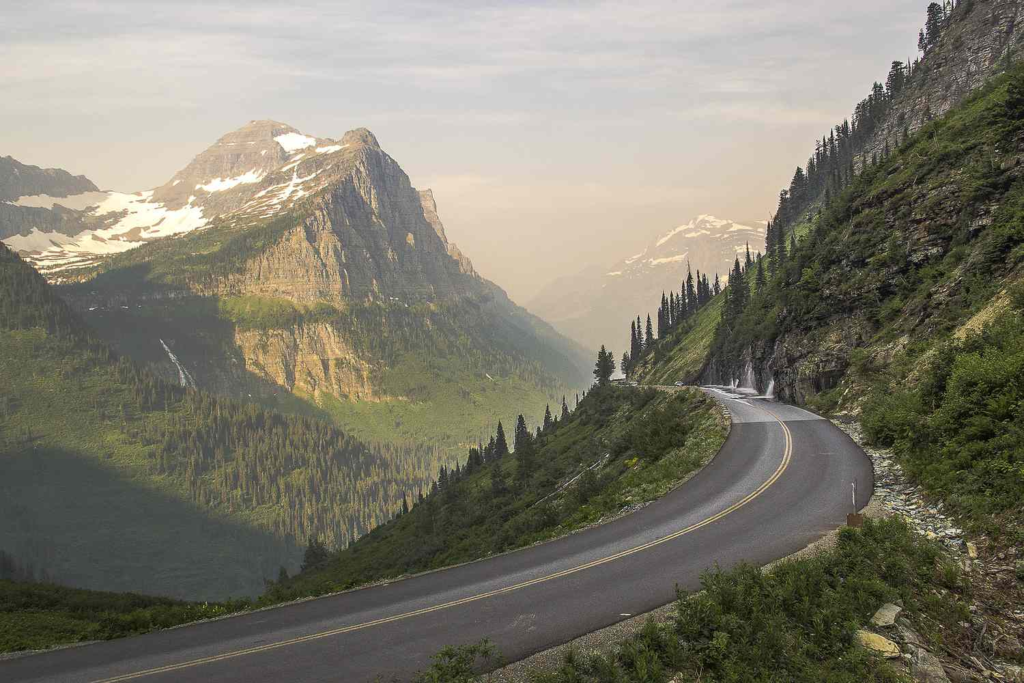
The surge in U.S. domestic travel during the early 2020s did more than fill a temporary gap—it reshaped perceptions. Many Americans discovered regions they previously overlooked, from secondary national parks to small coastal and mountain towns.
What’s notable is retention. Travelers who explored domestic destinations during this period are returning, often seasonally, and building repeat-destination loyalty rather than chasing novelty abroad. States like Michigan, New Mexico, Maine, and West Virginia have seen consistent growth in return visitation, according to state tourism boards.
This trend favors:
- Drivable destinations within 4–6 hours
- Small towns with strong local identity
- Regions offering year-round recreation
As airfares fluctuate and international complexity remains unpredictable, domestic travel is no longer a compromise—it’s a preferred choice.
Travel Planning Is Becoming More Personalized—and Less Social
Travel inspiration once lived on social feeds. Now, many travelers are moving planning decisions offline or into private spaces. While discovery still happens digitally, Americans are increasingly wary of overexposed destinations and algorithm-driven recommendations.
Instead, travelers rely on:
- Direct newsletters from trusted writers
- Long-form guides and regional publications
- Recommendations from friends and family
This shift reflects broader privacy and fatigue concerns. People want trips that feel tailored, not templated. Over the next decade, personalization will favor depth—custom maps, saved notes, and curated lists—rather than public posting and real-time sharing.
Technology Is Fading Into the Background
The most impactful travel tech going forward won’t feel new or flashy. It will quietly remove friction. Mobile check-ins, digital keys, real-time translation, and predictive flight alerts are already standard for many travelers.
What’s changing is expectations. Americans now assume technology will work seamlessly—and feel frustrated when it doesn’t. At the same time, there’s growing resistance to apps that demand constant engagement.
The winning tools over the next decade will:
- Work passively
- Protect personal data
- Integrate across platforms
Travelers don’t want more tech. They want fewer interruptions.
Sustainability Is Becoming Practical, Not Performative
American travelers remain concerned about environmental impact, but the conversation is maturing. Rather than symbolic gestures, people are focusing on choices that feel tangible and reasonable.
Examples include:
- Choosing nonstop flights when possible
- Traveling in shoulder seasons
- Supporting locally owned accommodations
According to a 2024 survey by the U.S. Travel Association, travelers are more likely to adopt sustainable behaviors when they also improve comfort, cost, or convenience.
Over the next decade, sustainability messaging that feels moralistic will fade. Practical, experience-driven framing will resonate far more.
Multigenerational Travel Is Reshaping Trip Design
As families live farther apart and work schedules remain flexible, multigenerational trips are becoming more common. These trips require different planning priorities—accessibility, flexible pacing, and shared but optional activities.
Vacation rentals, cruise lines, and tour operators are already adjusting layouts and programming to accommodate grandparents, parents, and children traveling together. This trend is likely to expand as Baby Boomers prioritize experiences over possessions and younger generations value shared time.
Destinations that offer:
- Walkable environments
- Medical access
- Varied activity levels
will benefit most from this shift.
Food and Culture Are Replacing Sightseeing
For many Americans, iconic landmarks are no longer the centerpiece of travel. Instead, food, history, and everyday culture are becoming primary motivators.
Travelers are planning trips around:
- Regional cuisines
- Farmers markets and food halls
- Cultural festivals and local traditions
This trend favors places with strong culinary identities and storytelling depth. It also aligns with slower travel and longer stays, allowing visitors to engage more meaningfully with place.
Travel Is Being Measured by Recovery, Not Productivity
The language around travel is changing. Instead of “making the most of every day,” travelers are asking whether a trip leaves them rested. Burnout, screen fatigue, and flexible work have shifted expectations.
Wellness travel is expanding beyond spas to include:
- Nature-based trips
- Quiet towns and off-season visits
- Accommodations designed for rest
This doesn’t mean inactivity—it means balance. Trips that allow travelers to return home feeling restored will define the next decade.

Frequently Asked Questions
Why are Americans traveling more slowly now?
Rising costs, flexible work, and burnout have pushed travelers to prioritize quality over quantity.
Is international travel declining long term?
No, but domestic travel is gaining equal footing as a preferred option rather than a fallback.
How is remote work influencing travel habits?
Remote and hybrid work enable longer stays, weekday travel, and off-season trips.
Are social media platforms still influencing travel decisions?
Yes, but influence is shifting toward private, trusted sources rather than viral trends.
What types of destinations will benefit most over the next decade?
Smaller cities, nature-based regions, and culturally distinct communities.
Is sustainable travel becoming mandatory for travelers?
It’s becoming normalized when it aligns with comfort and cost—not when framed as sacrifice.
How are families changing travel patterns?
More multigenerational trips and shared experiences across age groups.
Will travel technology become more visible or less?
Less visible. The best tools will operate quietly in the background.
What defines a “successful” trip now?
Feeling rested, connected, and satisfied—rather than busy.
Where the Next Decade of Travel Is Quietly Headed
The future of travel isn’t about doing more. It’s about doing what fits. As Americans reassess time, energy, and priorities, travel is becoming a tool for balance rather than escape. The destinations that thrive—and the travelers who benefit most—will be those who understand that subtle shifts often create the deepest change.
Key Signals Worth Watching
- Longer stays replacing packed itineraries
- Domestic loyalty alongside global curiosity
- Quiet technology that reduces friction
- Experiences designed around rest and connection