

Summary
Travel planning in the U.S. is shifting from mass-market itineraries to highly personal decisions shaped by lifestyle, values, data, and lived experience. This article explains why customization now matters more than discounts, how Americans are planning trips differently, and what this change means for travelers seeking more meaningful, practical, and satisfying journeys.
A Subtle Shift with Big Implications
For decades, travel planning followed a predictable formula. Choose a destination, compare prices, book flights and hotels, and build an itinerary around major attractions. Today, that model is quietly giving way to something more nuanced. Travel planning is becoming deeply personal—shaped not only by budgets and schedules, but by health priorities, work flexibility, family structures, emotional needs, and individual definitions of rest and fulfillment.
This shift didn’t arrive with a single innovation or trend cycle. It emerged gradually as Americans began asking different questions. Not just Where should we go? but Why are we going? and What do we actually want to feel when we get back?
The result is a travel planning process that looks less like checklist optimization and more like lifestyle design.

Why Personalization Is Taking Center Stage
Several forces are converging to reshape how Americans plan travel. None are flashy on their own, but together they’ve altered expectations.
Remote and hybrid work have made timing more flexible, allowing travelers to prioritize seasons, weather, and personal energy levels rather than school calendars or limited PTO windows. At the same time, rising travel costs have made travelers more selective, encouraging fewer trips that deliver higher personal value.
Health and well-being also play a role. After years of disruption and burnout, many Americans now view travel less as an escape and more as a form of restoration. According to surveys from the U.S. Travel Association, travelers increasingly prioritize stress reduction, meaningful connection, and manageable pacing over packed itineraries.
Just as important is information access. Travelers now arrive at planning decisions armed with reviews, forums, maps, and personal stories—not just marketing copy. This abundance of insight allows people to tailor trips with a level of specificity that wasn’t realistic a decade ago.
The New Questions Americans Are Asking Before Booking
As planning becomes more personal, the questions driving decisions have changed. Common searches and conversations now focus on lived experience rather than surface-level features.
People want to know:
- Will this destination fit how I actually travel—not how influencers travel?
- Is this trip energizing or exhausting for someone my age or stage of life?
- How crowded will it feel, and at what times?
- What does a realistic daily pace look like?
- How flexible are bookings if plans or health needs change?
These questions signal a shift away from aspirational travel and toward practical alignment. Americans are less interested in checking boxes and more interested in returning home feeling better than when they left.
From One-Size-Fits-All to Individual Travel Profiles
Personalization in travel planning now mirrors trends long established in finance, healthcare, and media. Travelers increasingly build informal “profiles” around themselves, whether consciously or not.
These profiles may include:
- Preferred daily pace (slow mornings vs. early starts)
- Comfort with uncertainty or spontaneity
- Sensitivity to crowds, noise, or long transit times
- Physical considerations such as mobility, sleep needs, or diet
- Emotional goals like reconnection, solitude, or novelty
For example, two couples traveling to the same national park may plan entirely different experiences. One might prioritize scenic drives, accessible trails, and nearby lodging. The other may plan backcountry hikes and minimalist accommodations. The destination stays the same; the planning logic does not.

Technology Is Enabling—Not Replacing—Human Judgment
Digital tools play a major role in this personalization, but not in the way early travel tech promised. Instead of automating decisions, technology now helps travelers validate instincts and reduce friction.
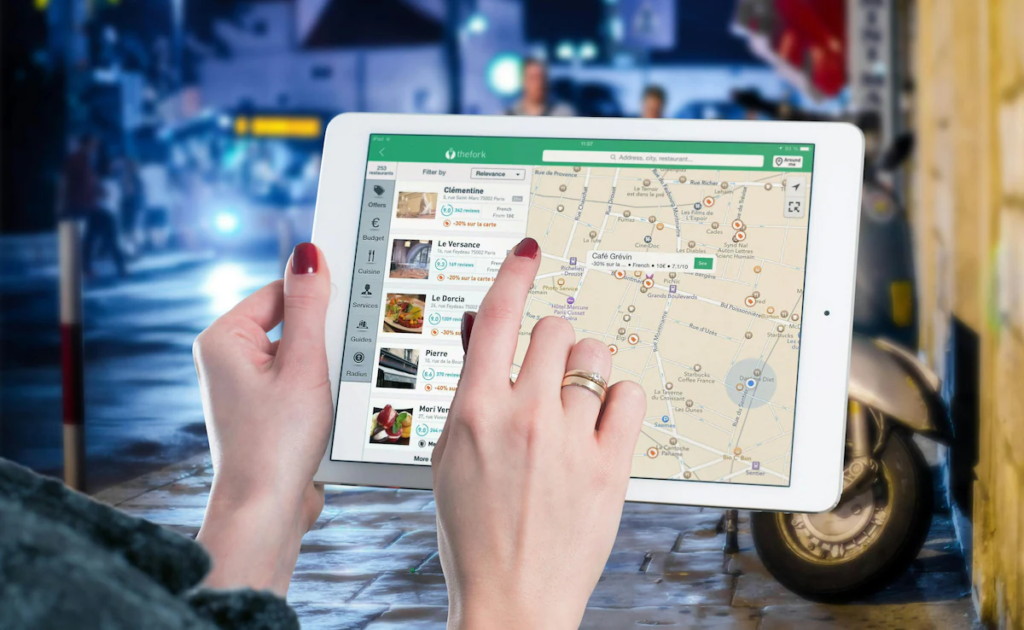
Mapping tools allow people to visualize walking distances and elevation changes. Review platforms highlight not just star ratings but patterns—noise complaints, parking challenges, or seasonal variability. Travel forums surface candid advice from people with similar constraints or preferences.
Importantly, Americans are learning to use these tools selectively. Many travelers cross-check recommendations, compare multiple sources, and ignore extremes. The goal isn’t to find the “best” option universally, but the best fit personally.
This discernment reflects a maturing travel culture—one that values context over rankings.
Planning Around Energy, Not Just Attractions
One of the clearest signs of personalization is how travelers now structure their days. Instead of maximizing attractions, many Americans plan around energy management.
A common approach includes:
- Limiting one major activity per day
- Building in buffer time for rest or exploration
- Staying in fewer locations for longer periods
- Choosing accommodations that support downtime, not just sleep
Families, older travelers, and solo travelers alike report better experiences when trips respect physical and mental limits. This isn’t about lowering expectations—it’s about aligning experiences with reality.
Travel advisors note that this approach often leads to higher satisfaction, even if travelers “see” fewer things. What they remember tends to feel richer and more personal.
Budgeting Has Become More Intentional
Personalization also extends to how Americans allocate travel budgets. Rather than spreading spending evenly, many travelers now prioritize what matters most to them and minimize the rest.
For some, that means paying more for location and convenience while choosing simpler dining options. For others, it means investing in one meaningful experience—like a guided nature excursion or cultural workshop—and scaling back elsewhere.
This intentional budgeting reflects a broader shift in consumer behavior. According to data from the Bureau of Economic Analysis, discretionary spending increasingly favors experiences over goods, particularly among middle-aged and older adults.
Travel planning now resembles value-based budgeting, not bargain hunting.
The Role of Life Stage and Identity
Personal travel planning is also shaped by who travelers are becoming—not just who they are now. Empty nesters plan differently than they did in their 30s. Young professionals balance exploration with work responsibilities. Caregivers factor in accessibility and predictability.
Even identity plays a role. Travelers increasingly seek destinations and experiences that reflect their values, whether related to sustainability, community impact, or cultural respect. While not every trip is purpose-driven, alignment matters more than it used to.
This explains the growing interest in regional travel, smaller towns, and repeat visits to familiar places. Personal meaning often outweighs novelty.
What This Means for Future Travel Decisions
The quiet personalization of travel planning is unlikely to reverse. As Americans gain confidence in defining what works for them, expectations will continue to shift.
Future planning will likely emphasize:
- Flexibility over fixed itineraries
- Quality of experience over quantity
- Self-awareness over trend-following
- Preparation over improvisation
This doesn’t make travel rigid or joyless. On the contrary, it often creates more space for spontaneity—because the foundational choices are sound.
Frequently Asked Questions
Why is travel planning becoming more personal now?
Greater flexibility, better access to information, and changing lifestyle priorities have encouraged Americans to plan trips around individual needs rather than mass-market norms.
Does personalized travel planning cost more?
Not necessarily. Many travelers report spending more intentionally rather than more overall, prioritizing value over volume.
How can I personalize my travel planning without overthinking it?
Start by identifying what drains versus restores your energy, then plan around those factors instead of trying to do everything.
Are travel agents still relevant in personalized planning?
Yes. Many travelers use advisors selectively for complex trips or destination-specific insight while retaining personal control.
Is this trend limited to luxury travelers?
No. Personalization appears across income levels, from road trips to international travel.
How does technology support personalized planning?
It helps travelers compare experiences, anticipate challenges, and validate decisions rather than replacing judgment.
Are Americans traveling less because of this shift?
Some are traveling less frequently, but often with greater satisfaction and longer stays.
Does personalization reduce spontaneity?
Often the opposite. Thoughtful planning can create more room for unplanned moments.
What’s the biggest mistake travelers make today?
Planning trips based on how they think they should travel rather than how they actually do.
A Quieter, More Self-Aware Way to Travel
The most notable change in modern travel planning isn’t technological or economic—it’s psychological. Americans are learning to trust their preferences, respect their limits, and design trips that fit their lives rather than escape them. In doing so, travel becomes less performative and more sustaining.
This quieter approach may not generate dramatic headlines, but it’s reshaping how meaningful travel feels—and that may be its greatest impact.
In Short, What’s Changing
- Travel decisions are driven more by personal energy and values
- Planning emphasizes fit over popularity
- Budgets reflect priorities, not pressure
- Technology supports judgment rather than replacing it
- Satisfaction increasingly comes from alignment, not accumulation