
Summary
Americans are traveling less frequently—but with greater intention. Rising costs, remote work flexibility, and a deeper focus on personal values are reshaping how people plan trips. Fewer journeys now prioritize connection, restoration, and purpose, making each experience feel more meaningful than the volume-driven travel of the past.
A Noticeable Shift in How Americans Travel
For decades, American travel culture celebrated volume. More destinations, more stamps in the passport, more packed itineraries. Weekend city breaks, multi-country tours, and annual “bucket list” trips were common markers of success and mobility.
Today, that mindset is quietly changing.
Many U.S. travelers are taking fewer trips overall, yet reporting higher satisfaction from the ones they do take. This isn’t about travel fatigue or diminished curiosity. It’s a response to economic reality, lifestyle changes, and a more reflective approach to how time and money are spent.
The shift isn’t loud or trendy. It’s practical—and deeply human.
Why Are Americans Traveling Less Frequently?
Several structural and cultural forces are converging, reshaping travel behavior across income levels and age groups.
Cost pressures are real and persistent.
According to U.S. Bureau of Labor Statistics data, airfare, lodging, and dining costs have remained elevated compared to pre-2020 levels. Even households with stable incomes are making tradeoffs, opting for one carefully planned trip instead of several smaller ones.
Time has become a more limited resource.
While remote and hybrid work have added flexibility, they’ve also blurred boundaries. Many professionals report fewer truly disconnected breaks, making short trips feel less restorative than they once did.
Life stages influence priorities.
Millennials entering parenthood, Gen X managing aging parents, and Boomers reassessing retirement plans are all traveling differently than they did a decade ago. Fewer trips often align better with these responsibilities.
Environmental awareness plays a role.
More Americans are acknowledging the carbon cost of frequent flying. While not everyone frames decisions around sustainability, it increasingly influences how often—and how far—people travel.
Why Those Fewer Trips Feel More Rewarding
Travel satisfaction isn’t strictly proportional to distance or frequency. In many cases, it increases when trips are aligned with personal values and realistic expectations.
When travelers know they won’t be going again soon, they prepare differently. Planning becomes more thoughtful. Choices become more intentional.
Common patterns among travelers who report greater fulfillment include:
- Spending more time in a single place rather than rushing between destinations
- Choosing accommodations that feel personal rather than purely convenient
- Building in rest days instead of maximizing sightseeing
- Traveling with fewer people, or alone, to reduce friction
These adjustments reduce cognitive overload and allow experiences to register more deeply.
The Rise of Intentional Travel Planning
Intentional travel doesn’t mean rigid planning. It means clarity.
Americans are increasingly asking themselves why they’re taking a trip before deciding where to go. The answer shapes everything else.
Some trips are about reconnection—with a partner, children, or friends. Others are about recovery after burnout, marking a life transition, or fulfilling a long-held curiosity. When purpose is clear, decisions become easier and regret diminishes.
Instead of asking, “How much can we fit in?” travelers ask, “What will matter when we look back?”
Experience Over Accumulation
There’s growing recognition that travel memories don’t scale linearly. Five rushed trips don’t necessarily produce five times the meaning of one well-lived journey.
Travelers report stronger memories from experiences such as:
- Renting a cabin for a week and learning the rhythm of a small town
- Taking a scenic train journey instead of flying between cities
- Participating in a local class, tour, or volunteer activity
- Returning to a familiar destination with a new perspective
These experiences encourage presence rather than consumption.
Domestic Travel’s Quiet Renaissance
Fewer international trips have also sparked renewed interest in domestic destinations.
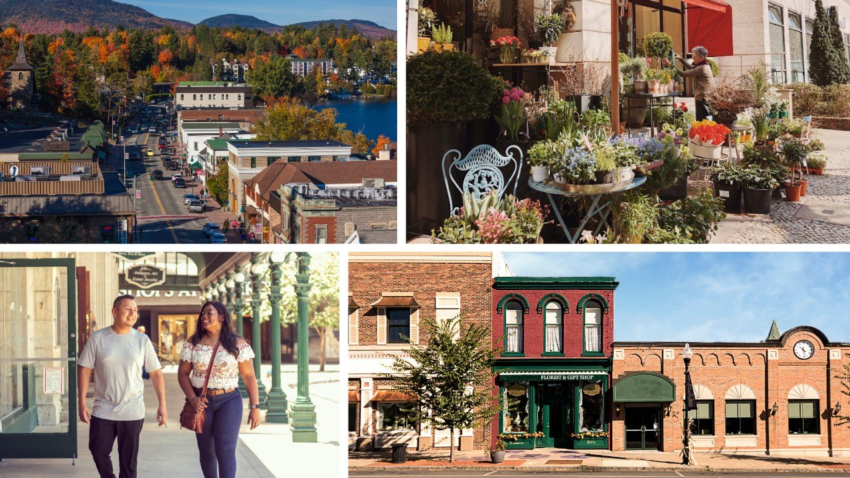
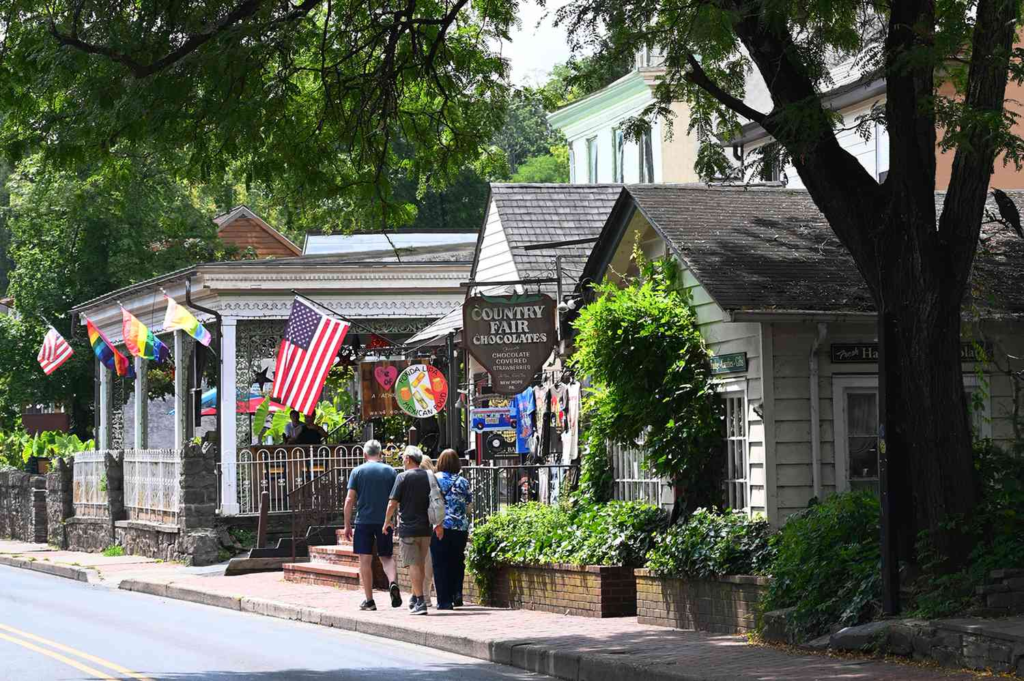
National parks, regional food cultures, historic towns, and lesser-known coastal or mountain communities are drawing travelers who want depth without complexity. Domestic travel reduces logistical friction while still offering novelty.
For many Americans, rediscovering their own country has created a sense of appreciation that frequent overseas travel once overshadowed.
How Fewer Trips Change Travel Behavior
When travel becomes less frequent, behavior shifts in noticeable ways.
Travelers are more likely to:
- Invest in higher-quality lodging rather than the cheapest option
- Stay longer in one destination to justify airfare
- Choose experiences aligned with personal interests rather than generic highlights
- Protect vacation time by disconnecting more fully
This creates a feedback loop: better experiences reinforce the value of traveling less but better.
What Research Says About Satisfaction and Scarcity
Behavioral research consistently shows that scarcity increases perceived value. Experiences that are rare or difficult to repeat tend to feel more meaningful than those that are easily replaced.
Travel fits this pattern. When trips are frequent and routine, they risk becoming background noise. When they’re occasional and anticipated, they carry emotional weight.
Psychologists also note that anticipation and reflection contribute significantly to overall satisfaction—often more than the experience itself. Fewer trips mean more anticipation beforehand and more storytelling afterward.
Is This Trend Permanent?
Travel volume will fluctuate with economic conditions, global stability, and personal circumstances. But the underlying mindset shift appears durable.
Americans are increasingly comfortable rejecting the idea that “more is better.” In travel, as in other areas of life, selectivity is becoming a sign of self-knowledge rather than limitation.
The question is no longer how often people travel—but whether their travel supports the life they want to live.
Frequently Asked Questions
Why do fewer trips feel more meaningful now?
Because travelers are prioritizing purpose, rest, and personal values over quantity, leading to deeper engagement.
Are Americans actually traveling less?
Many are taking fewer leisure trips annually, especially long-haul or international ones, while extending the trips they do take.
Is this mainly about money?
Cost is a factor, but time constraints, burnout, and lifestyle changes are equally influential.
Does traveling less reduce cultural exposure?
Not necessarily. Spending more time in fewer places often increases cultural understanding.
Are younger generations traveling differently?
Yes. Millennials and Gen Z tend to value experiences, flexibility, and alignment with personal ethics over travel volume.
Is domestic travel replacing international travel?
For some travelers, yes—especially for shorter vacations or multi-trip years.
How can I make fewer trips more meaningful?
Clarify your purpose, slow down your itinerary, and build in rest and reflection.
Is slow travel only for retirees or long vacations?
No. Even a long weekend can feel “slow” with fewer activities and more presence.
Will travel frequency increase again?
Possibly, but many travelers report they won’t return to their old habits.
A Different Measure of a Life Well Traveled
Meaningful travel isn’t about how many places you’ve been. It’s about how deeply you experienced the ones you chose. As Americans reassess their relationship with time, work, and wellbeing, travel is becoming less about escape and more about alignment.
Fewer trips don’t signal less curiosity. They reflect a clearer sense of what’s worth carrying home.
What This Shift Ultimately Reflects
- Quality is replacing quantity in travel decisions
- Time and attention are now the most valued travel resources
- Meaning often comes from staying longer, not going farther
- Travel is increasingly shaped by personal values, not social pressure