
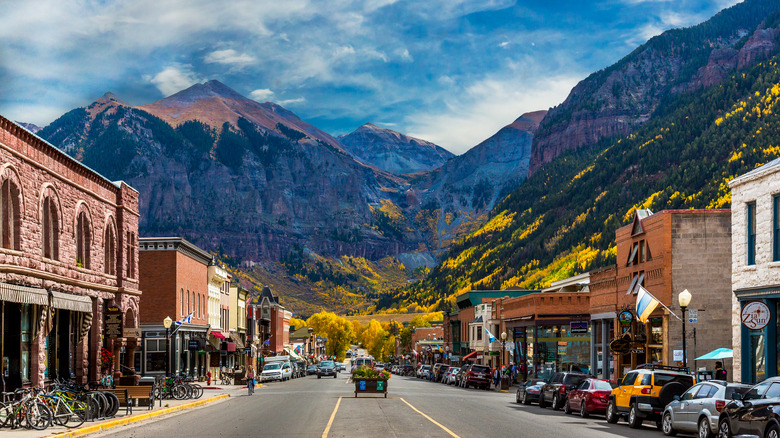
Obscure mountain towns across America are experiencing a booking boom as travelers seek affordability, nature, wellness, and crowd-free experiences. Rising airfare, overtourism fatigue, remote work flexibility, and social media discovery have reshaped travel behavior in 2026. From hidden alpine villages in Idaho to quiet Appalachian escapes, Americans are choosing slower, scenic, and surprisingly accessible mountain destinations over traditional hotspots.
For years, American mountain travel meant Aspen, Vail, Jackson Hole, or Lake Tahoe. Beautiful? Absolutely. Affordable and peaceful? Increasingly not.
Now something fascinating is happening.
Travel data shows a measurable shift away from overcrowded resort towns toward lesser-known mountain communities. According to 2025–2026 travel insights from Expedia and AirDNA, mid-size and small rural markets saw double-digit growth in bookings compared to saturated ski resorts. Searches for “quiet mountain towns USA,” “affordable mountain vacations,” and “hidden mountain towns near me” have surged.
This isn’t random. It’s a cultural pivot.
Americans are rethinking what they want from travel: space, authenticity, value, and restorative nature experiences. And obscure mountain towns are delivering.
Let’s unpack why this trend is exploding — and whether you should book one, too.
Why Are Americans Suddenly Choosing Obscure Mountain Towns?
The shift is driven by five overlapping forces reshaping travel behavior.
1. Overtourism Fatigue
Major destinations have become expensive and crowded. Long lift lines, $500+ hotel nights, restaurant waits, and parking shortages are pushing travelers elsewhere.
A family that once booked Park City might now discover a town two hours away offering:
- 40% lower lodging costs
- No traffic
- Local-owned restaurants
- Comparable hiking, biking, or skiing
Travelers aren’t sacrificing experience — they’re optimizing it.
2. Remote Work Freedom
Hybrid and remote work changed geography.
Instead of cramming vacations into 4-day weekends, professionals now book:
- 10–14 day “workcations”
- Shoulder-season stays
- Midweek mountain retreats
Mountain towns with reliable Wi-Fi, charming cafés, and access to hiking trails are thriving.
3. Affordability in a High-Cost Economy
Inflation has reshaped travel budgets. Mountain towns outside famous resort zones often offer:
- Short-term rentals 25–50% cheaper
- Lower dining prices
- Free recreation (trails, lakes, scenic drives)
When airfare and car rentals are expensive, people want destinations where daily costs are manageable.
4. Social Media Discovery
TikTok and Instagram have democratized travel inspiration. A 30-second video of a misty Idaho lake can send thousands searching within hours.
Search clusters Americans are typing now:
- “Underrated mountain towns in the US”
- “Affordable alpine towns without crowds”
- “Hidden ski towns near Denver”
- “Small mountain towns to live in”
These aren’t luxury resort searches — they’re curiosity searches.
5. Wellness and Mental Reset Travel
Mountain environments are increasingly associated with stress reduction and wellness. Studies from the American Psychological Association and environmental health research show time in natural landscapes reduces cortisol and improves mood regulation.
Americans are booking mountains not just for adventure — but recovery.
What Are the Best Obscure Mountain Towns in America Right Now?
Let’s explore real towns seeing booking momentum — without being mainstream resorts.
1. Sandpoint, Idaho
Often overshadowed by Sun Valley, Sandpoint offers:
- Lake Pend Oreille access
- Schweitzer Mountain skiing
- A walkable downtown
A Denver-based couple recently shared that they spent 30% less on a 5-day ski trip here than in Colorado — with shorter lift lines and better snow conditions.
2. Buena Vista, Colorado
While Aspen draws headlines, Buena Vista quietly thrives.
Why it’s trending:
- Collegiate Peaks views
- Natural hot springs
- Whitewater rafting
- Lower nightly rates than Breckenridge
Remote workers now book month-long stays during shoulder season.
3. North Conway, New Hampshire
In the White Mountains, this New England gem offers fall foliage, hiking, and family-friendly ski access without Vermont resort pricing.
4. McCall, Idaho
Known for Payette Lake and winter festivals, McCall is drawing West Coast travelers looking for alpine scenery without Tahoe-level costs.
5. Red Lodge, Montana
Near Yellowstone but far from West Yellowstone crowds, Red Lodge delivers dramatic scenery and a charming historic downtown.
6. Blowing Rock, North Carolina
Appalachian views, Blue Ridge Parkway access, cozy cabins — and significantly lower accommodation costs compared to Asheville.
Are Obscure Mountain Towns Actually Cheaper?
Short answer: often yes — but not always.
Mountain real estate and tourism have risen nationally, but secondary towns typically offer:
- Lower nightly rates
- Free parking
- Shorter drive times between attractions
- Less surge pricing
Example comparison (average peak winter weekend lodging):
- Major resort town: $450–$650 per night
- Secondary mountain town: $180–$350 per night
Savings multiply over multi-day stays.
However, early booking is critical — once a town “goes viral,” prices spike.
What Makes These Towns So Appealing?
They Offer the “Goldilocks Effect”
Not too remote.
Not too commercial.
Not too expensive.
They feel discovered — not overdeveloped.
You Experience Community
In smaller towns, visitors often interact directly with:
- Café owners
- Local artists
- Trail volunteers
- Small innkeepers
This creates emotional memory — something mega-resorts struggle to replicate.
Nature Is Immediate
In many obscure mountain towns:
- Trails begin downtown
- Lakes are walkable
- Wildlife sightings are common
- Night skies are visible
There’s less infrastructure between you and the outdoors.
Are These Towns Good for Families?
Absolutely — and this is driving bookings.
Parents report preferring smaller mountain towns because:
- Less traffic
- More affordable cabins
- Kid-friendly hiking
- Community festivals
- Safer downtown environments
Instead of navigating ski resort chaos, families can explore at their own pace.
What About Winter vs. Summer Travel?
Winter Appeal
- Affordable ski alternatives
- Snowshoeing
- Cozy cabin culture
- Fewer lift lines
Summer Appeal
- Hiking and mountain biking
- Alpine lakes
- Farmers markets
- Outdoor concerts
Interestingly, summer bookings in many of these towns are growing faster than winter — signaling year-round appeal.
Are Obscure Mountain Towns a Good Investment Trend?
Many Americans searching for vacations are also asking:
- “Should I buy property in a small mountain town?”
- “Are mountain towns good for Airbnb?”
- “Which mountain towns are growing fastest?”
Data from U.S. Census migration reports shows population growth in rural mountain counties, especially in the West and Southeast.
However, smart buyers consider:
- Infrastructure capacity
- Local regulations
- Wildfire risk
- Climate resilience
- Tourism seasonality
Vacation trends do not automatically equal sustainable investment.
What Are the Downsides?
Let’s be transparent.
Obscure mountain towns can present challenges:
- Limited medical facilities
- Fewer dining options
- Limited rideshare availability
- Variable cell coverage
- Weather unpredictability
For some travelers, that’s a drawback. For others, it’s the point.
How Do You Find the Right Obscure Mountain Town for You?
Instead of Googling randomly, try filtering by:
- Drive time from major airport
- Population under 10,000
- Access to public lands
- Average hotel rate under $300
- Year-round attractions
Use search phrases like:
- “Hidden mountain towns near [your state]”
- “Affordable mountain towns with lakes”
- “Quiet ski towns without crowds”
10+ Trending FAQs Americans Are Asking
1. Why are mountain towns becoming more popular?
Because travelers want affordability, nature access, and fewer crowds than major resort destinations.
2. Are obscure mountain towns safe?
Most have low crime rates, but always check local data and seasonal risks like wildfire or snowstorms.
3. When is the cheapest time to visit mountain towns?
Shoulder seasons — late spring and early fall — offer lower rates and fewer visitors.
4. Do small mountain towns have reliable Wi-Fi?
Increasingly yes, especially in towns attracting remote workers. Always confirm with hosts.
5. Are mountain vacations good for mental health?
Research shows time in nature reduces stress hormones and improves mood.
6. Can you ski in lesser-known mountain towns?
Yes — many have smaller, affordable ski areas with shorter lift lines.
7. Are these towns crowded during holidays?
Yes. Book early for peak weekends.
8. Is it better to rent a cabin or stay in a hotel?
Cabins offer privacy and kitchens; hotels provide convenience and services.
9. Are mountain towns good for solo travelers?
Absolutely. Many solo travelers cite safety and tranquility as key benefits.
10. How far in advance should you book?
At least 2–4 months for peak seasons.
11. Are mountain towns climate-resilient?
It depends. Research wildfire zones, snowfall variability, and water access.
12. What states have the most hidden mountain towns?
Colorado, Idaho, Montana, North Carolina, New Mexico, Utah, and parts of New England.
Real-Life Case Study: A Family Pivot
The Johnson family from Dallas traditionally vacationed in Breckenridge. In 2025, frustrated by high lodging costs and long restaurant waits, they tried Buena Vista instead.
Results:
- Saved $2,100 on lodging
- No lift lines
- Walked to coffee shops
- Kids preferred tubing hill to major ski resort chaos
They’ve since returned twice.
This story mirrors thousands of similar decisions nationwide.
Should You Book One?
If you value:
- Scenic beauty over nightlife
- Affordability over luxury branding
- Authenticity over prestige
- Quiet mornings over crowded lifts
Then yes — this trend aligns with your priorities.
However, if you prioritize high-end dining, luxury spas, and major airport access, major resorts may still fit better.
Final Takeaway: This Isn’t Just a Travel Trend — It’s a Cultural Shift
America’s travel psychology is evolving.
People want:
- Slower experiences
- Nature immersion
- Community connection
- Budget-conscious adventure
Obscure mountain towns check all four boxes.
And once travelers experience one — they rarely go back to crowded mega-resorts.
The question isn’t why everyone is booking these towns.
It’s whether you’ll discover yours before it stops being obscure.