
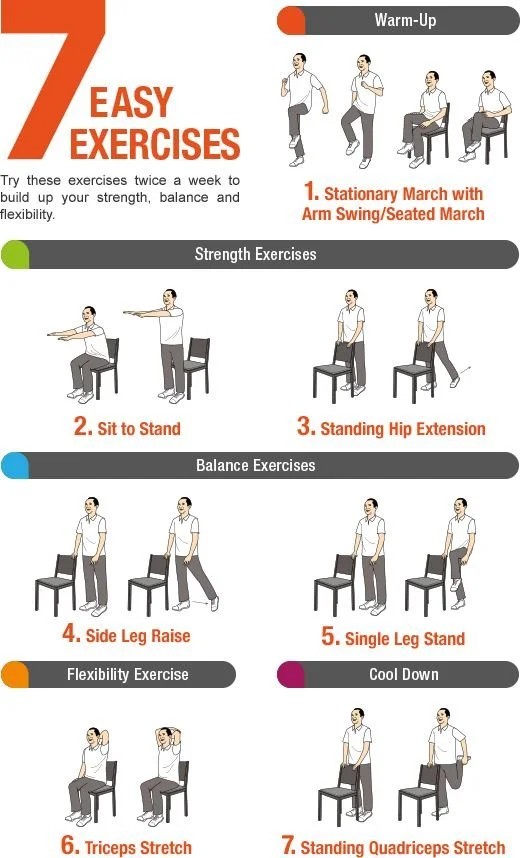
Summary
Fitness needs evolve with age. After 30, recovery and consistency matter more. In your 40s, strength training and joint care become essential. Beyond 50, mobility, balance, and longevity take priority. Understanding these shifts helps Americans stay active, strong, and injury-free for life.
Why Fitness Needs Change With Age
Aging doesn’t mean decline—it means adaptation. Starting in our 30s, the body gradually changes in ways that affect how we train, recover, and stay motivated. Muscle mass decreases slightly each decade, connective tissues lose elasticity, and recovery takes longer. According to widely cited data from U.S. health institutions, adults can lose 3–8% of muscle mass per decade after age 30 if strength training isn’t maintained.
Lifestyle also shifts. Careers peak, families grow, and time becomes limited. The most effective fitness routines aren’t the most intense—they’re the ones people can sustain. Understanding what to emphasize at each stage allows exercise to support health instead of competing with it.
Fitness in Your 30s: From Performance to Sustainability
For many Americans, their 30s represent a transition point. You may still feel strong and capable, but workouts that once felt effortless now require more recovery. This decade is less about pushing limits and more about building habits that last.
What Changes Physically in Your 30s
Metabolism begins to slow modestly, especially if activity levels drop. Muscle protein synthesis becomes less efficient, meaning the body doesn’t rebuild muscle quite as fast after workouts. Sleep quality may also fluctuate due to work stress or parenting demands, affecting recovery.
Despite these shifts, this decade offers a powerful advantage: adaptability. The body still responds quickly to training when recovery and nutrition are handled well.
What Fitness Should Focus On
Consistency becomes more valuable than intensity. Shorter, well-structured workouts often outperform long, sporadic sessions. Strength training is especially important now—not for aesthetics, but for preserving muscle and supporting joint health.
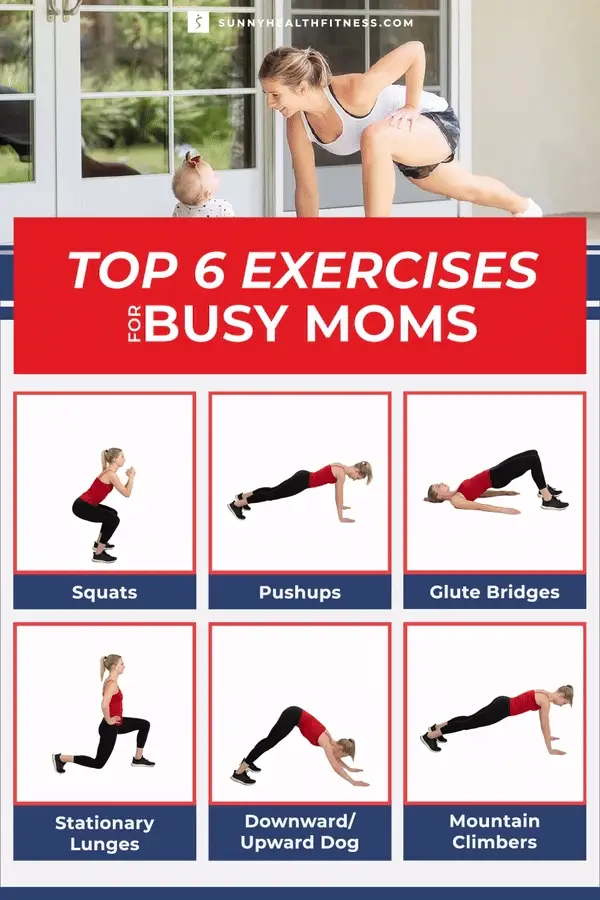
A balanced routine in your 30s typically includes:
- Full-body strength training 2–4 times per week
- Moderate cardio for heart health and stress reduction
- Mobility work to counter long hours of sitting
This is also the decade to address small aches early. Ignoring tight hips or shoulder discomfort can lead to chronic issues later.
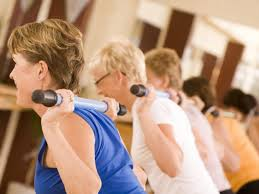
Fitness in Your 40s: Strength as a Health Strategy
By the time Americans reach their 40s, fitness often becomes less about appearance and more about function. Hormonal changes—particularly for women approaching perimenopause and men experiencing gradual testosterone decline—affect muscle retention, fat distribution, and energy levels.
Common Challenges in the 40s
Recovery takes longer, and overuse injuries become more common. Joints may feel stiffer in the morning, and high-impact workouts can feel less forgiving. Many people also struggle with time, balancing work responsibilities and family care.
However, research consistently shows that strength training in midlife significantly reduces the risk of metabolic disease, osteoporosis, and loss of independence later on.
How Routines Typically Evolve
Smart training replaces maximal training. Progressive overload still matters, but it’s applied more carefully. Strength sessions may include fewer exercises, better form, and longer rest periods.
Cardio often shifts toward joint-friendly options such as brisk walking, cycling, or rowing. Mobility and warm-ups are no longer optional—they’re protective.
Effective priorities in your 40s include:
- Strength training as the foundation of fitness
- Low-impact cardio for cardiovascular health
- Dedicated recovery days and mobility sessions
Many Americans in this age group find that two high-quality workouts outperform five rushed ones.
Fitness After 50 and Beyond: Longevity, Mobility, and Confidence
After 50, fitness becomes a long-term health investment. The goal isn’t to “stay young,” but to remain capable—able to lift groceries, travel comfortably, and move without fear of falling.
What the Body Needs Most
Bone density loss accelerates with age, particularly for postmenopausal women. Balance, coordination, and reaction time also decline if not trained. The good news is that the body continues to respond to exercise well into later decades.
Studies from U.S. aging research centers show that adults in their 60s and 70s can still build strength and improve cardiovascular fitness with properly scaled programs.
How Workouts Typically Look
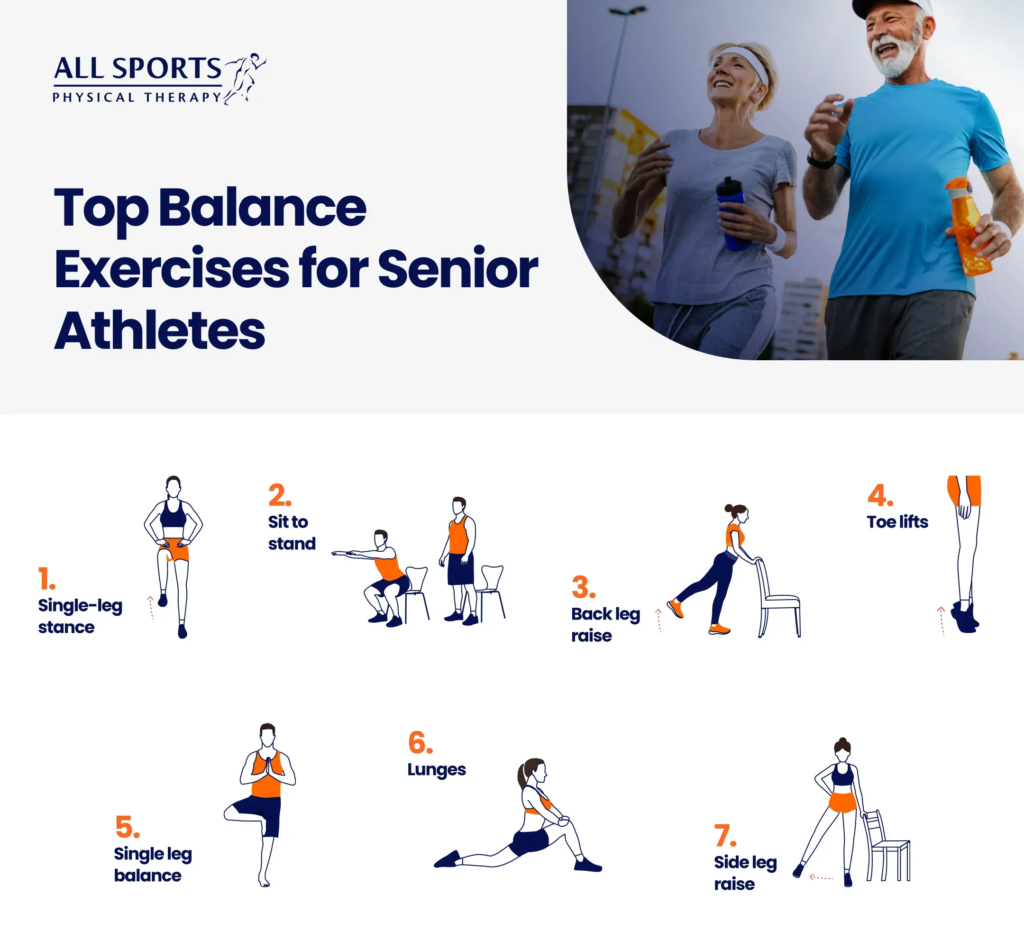
Strength training remains critical, often using machines, resistance bands, or bodyweight movements that reduce joint stress. Balance work—such as single-leg exercises or controlled movement patterns—becomes part of regular training.
Walking often becomes the most consistent form of cardio, supported by light interval training when appropriate. Flexibility and breathing exercises help manage stiffness and support overall movement quality.
Key elements often include:
- Resistance training 2–3 times per week
- Daily movement such as walking or light cycling
- Balance and mobility work to prevent falls
The emphasis shifts from intensity to confidence in movement.
How Recovery Changes With Age
One of the most overlooked aspects of aging fitness is recovery. As we get older, muscles and connective tissues need more time to repair. This doesn’t mean training less—it means training smarter.
Sleep becomes a primary performance tool. Nutrition timing matters more, particularly protein intake to support muscle repair. Many Americans also find that alternating hard and easy days keeps them consistent without burnout.
Listening to early signs of fatigue is not weakness—it’s strategy.
Nutrition’s Growing Role in Fitness Over Time
Exercise alone is rarely enough after 40. Protein needs increase slightly with age to preserve lean mass. Hydration affects joint health and energy more noticeably. Highly restrictive diets tend to backfire, especially during hormonal transitions.
Instead, sustainable nutrition—adequate protein, fiber, and micronutrients—supports training adaptations and recovery across decades.
Mental Shifts That Support Lifelong Fitness
Perhaps the biggest change with age is mindset. Fitness becomes less about comparison and more about personal benchmarks. Many Americans find that removing pressure improves consistency.
Enjoyment matters. Routines that feel aligned with daily life—walking meetings, home workouts, recreational sports—are more likely to last than rigid programs.
Frequently Asked Questions
Does metabolism really slow after 30?
Yes, but modestly. Activity level and muscle mass play a larger role than age alone.
Is strength training safe after 40 or 50?
Yes. When properly scaled, it’s one of the most protective forms of exercise.
How many days a week should older adults work out?
Most benefit from 3–5 days of structured movement, including strength and cardio.
Is cardio less important as we age?
No, but the type often changes. Low-impact cardio is easier to sustain.
Can you still build muscle after 50?
Absolutely. Muscle growth is possible at any age with resistance training.
Are long workouts necessary?
No. Consistent 30–45 minute sessions are often more effective.
Should recovery days increase with age?
Yes. Recovery becomes a training tool, not a setback.
Is flexibility training essential later in life?
Yes. Mobility supports joint health and daily movement confidence.
Building a Fitness Future That Lasts
The most successful fitness routines evolve. What works at 25 may not work at 45—and that’s not failure, it’s progress. By aligning workouts with your body’s changing needs, fitness becomes something that supports life rather than competes with it. The strongest routines are the ones that grow with you.
What to Remember as Your Fitness Evolves
- Priorities shift from intensity to sustainability
- Strength training remains essential at every age
- Recovery and mobility become non-negotiable
- Consistency matters more than perfection
- Fitness should support daily life, not dominate it