
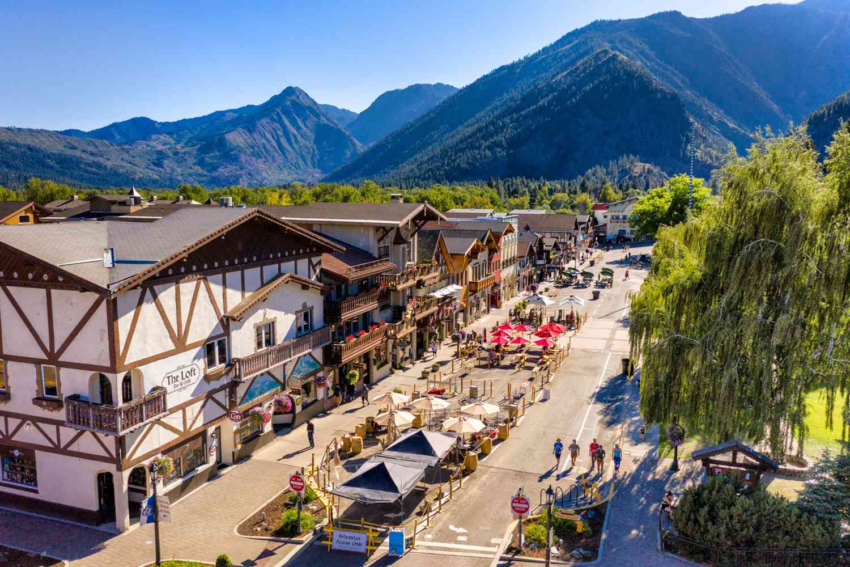
In 2026, American travelers are increasingly choosing off-radar small towns over crowded tourist hubs. Industry data from Expedia Group and Airbnb shows rising demand for secondary destinations that offer affordability, authenticity, and fewer crowds. From scenic mountain enclaves to charming waterfront communities, these small towns deliver meaningful travel experiences without big-city prices or overtourism fatigue.
Why Are Small Towns Trending in 2026?
Search queries like “best small towns to visit in the U.S.,” “underrated American towns,” and “quiet vacation spots without crowds” have surged in the past year. According to trend insights published by Booking.com, travelers are prioritizing cultural immersion and local experiences over packed itineraries.
Meanwhile, the U.S. Travel Association reports sustained growth in domestic leisure travel, especially to rural and secondary destinations. Travelers are seeking value, emotional connection, and flexibility—qualities often found in smaller communities.
But what’s really driving this shift?
It’s not just cost. It’s exhaustion. After years of crowded airports, overbooked attractions, and skyrocketing hotel rates in major cities, travelers want breathing room.
What Makes Off-Radar Small Towns So Appealing?
1. Fewer Crowds, More Presence
When visiting small towns, travelers often describe something unexpected: silence.
Unlike hotspots such as New York City or Los Angeles, off-radar destinations allow visitors to move at their own pace. There’s no rush to secure dinner reservations months in advance. No standing in line for photo opportunities.
One couple from Chicago told us their trip to a small mountain town in Colorado felt “like we finally exhaled.”
2. Better Value for Your Vacation Budget
In 2026, affordability is top of mind. According to travel pricing analysis from Bureau of Transportation Statistics, airfare volatility has encouraged travelers to drive to destinations within a few hundred miles.
Small towns offer:
- Lower nightly lodging rates
- Free or low-cost outdoor activities
- Reduced parking fees
- Locally owned restaurants with moderate pricing
- Minimal surge pricing
For many families, this makes extended stays more feasible.
Are Small Towns Really That Different From Major Tourist Cities?
Yes—and not just financially.
Small towns tend to prioritize community over commerce. That means:
- Independent bookstores instead of chains
- Farmers markets instead of mega-malls
- Family-run cafés instead of tourist traps
- Personal conversations with locals
For example, visitors to Marquette often remark on Lake Superior’s rugged beauty rivaling coastal destinations, but without inflated resort costs.
Similarly, Hood River delivers world-class outdoor adventure in a town small enough to explore on foot.
Which Types of Small Towns Are Attracting Tourists in 2026?
While trends vary by region, three categories dominate:
• Mountain Town Escapes
Quiet alpine communities offering hiking, skiing, and year-round outdoor recreation.
• Waterfront & Lakeside Villages
Peaceful harbors with kayaking, seafood, and scenic walking trails.
• Arts & Culture Enclaves
Historic towns with thriving galleries, live music, and creative communities.
These towns deliver experiences once exclusive to larger cities—but with fewer barriers and less stress.
How Social Media Is Fueling the Small-Town Boom
Platforms like Instagram and TikTok have amplified interest in visually charming destinations. A single viral video featuring a hidden waterfall or quaint downtown can transform a town overnight.
Yet unlike massive tourist cities, small towns often absorb moderate visitor growth without overwhelming infrastructure.
Searches for “hidden gems near me” and “underrated towns in America” continue rising across digital platforms.
Real-Life Experiences: What Travelers Are Saying
During a spring visit to a small coastal town in Maine, we noticed something striking: no one seemed in a hurry.
Locals recommended scenic walking paths not listed on travel apps. A bookstore owner personally curated a reading list about the town’s history. Conversations felt genuine—not transactional.
Travelers frequently report:
- Greater emotional connection
- Reduced travel fatigue
- Higher overall satisfaction
- Stronger sense of discovery
These experiences aren’t manufactured. They emerge organically in places not built solely for tourism.
Are Off-Radar Towns Safe for Travelers?
Safety is a major concern in 2026. Many travelers research crime rates before booking trips.
While safety varies by location, smaller towns often report lower crime rates compared to major metropolitan areas. According to national reporting aggregated by government sources, rural communities frequently experience lower rates of violent crime.
Still, travelers should:
- Research local advisories
- Book reputable accommodations
- Stay aware of surroundings
- Check seasonal weather risks
How to Find Off-Radar Small Towns Before They Go Mainstream
Savvy travelers use these strategies:
- Search “underrated towns near [state name]”
- Explore state tourism websites
- Look beyond the first page of travel guides
- Travel during shoulder seasons
- Ask locals for nearby day-trip towns
Road trips remain one of the best ways to discover lesser-known destinations organically.
What Are the Downsides of Visiting Small Towns?
While benefits are clear, there are trade-offs:
- Limited nightlife
- Fewer luxury hotel options
- Smaller airports nearby
- Reduced public transportation
- Seasonal business closures
For travelers seeking 24/7 entertainment, big cities may still be preferable.
But for those craving rest and authenticity, small towns excel.
Why 2026 May Be the Best Year Yet for Small-Town Travel
Economic factors, shifting priorities, and remote work flexibility are converging.
According to trend commentary from McKinsey & Company, experiential spending continues to outperform material purchases. People want stories—not souvenirs.
Small towns provide those stories in abundance.
Key Takeaways
- Small towns offer affordability and authenticity
- Travelers increasingly prefer fewer crowds
- Road trips are driving domestic tourism growth
- Social media accelerates discovery of hidden gems
- Extended stays maximize value
- Seasonal planning improves experience
Frequently Asked Questions (FAQ)
1. Why are small towns becoming popular in 2026?
Travelers want less crowded, more affordable destinations with authentic local experiences.
2. Are small towns cheaper than major cities?
Typically yes—especially for lodging, dining, and activities.
3. How do I find hidden small towns to visit?
Use regional travel searches, state tourism boards, and road trip planning tools.
4. Are small towns safe for solo travelers?
Many are, but research each destination carefully before booking.
5. What is the best season to visit small towns?
Spring and fall often offer ideal weather and fewer crowds.
6. Do small towns have good restaurants?
Yes—many feature locally sourced cuisine and independent eateries.
7. Are small-town vacations good for families?
Absolutely. Outdoor spaces and relaxed pacing make them ideal.
8. Can I work remotely from a small town?
Many now offer reliable Wi-Fi and coworking spaces.
9. What are common drawbacks?
Limited nightlife and fewer luxury amenities.
10. Will these towns stay “hidden”?
Some may grow in popularity, but new hidden gems always emerge.
Final Thoughts: The Power of Going Smaller
Travel in 2026 isn’t about chasing the loudest destination—it’s about finding places that feel personal.
Off-radar small towns remind us that meaningful travel isn’t measured by skyline height or airport size. It’s measured by connection, calm, and discovery.
Sometimes the best adventures happen where no one is looking.