

Summary
Great comedy is rarely about the joke alone. Timing, delivery, and audience awareness determine whether words land as memorable or forgettable. This article explains how rhythm, pauses, tone, and context shape humor, why audiences respond more to how something is said than what is said, and how these principles apply far beyond stand-up comedy.
Introduction: The Silent Architecture Behind a Laugh
Most people assume comedy succeeds or fails based on the quality of the joke. In reality, jokes are only raw material. Timing and delivery shape how that material is perceived, interpreted, and emotionally received. The same line can earn explosive laughter in one moment and silence in another, depending entirely on how and when it is delivered.
This principle isn’t limited to stand-up comedy. It applies to public speaking, presentations, storytelling, leadership communication, and even everyday conversation. Humor is a performance art, but more importantly, it is a timing-sensitive form of human connection.
Understanding why timing and delivery matter more than the joke itself reveals how audiences process humor—and why the most effective communicators master rhythm before wordplay.
What Audiences Are Really Responding To
Laughter is not a rational response. Neuroscience research shows that humor activates emotional and social processing areas of the brain rather than analytical centers. According to studies published in Cognitive Neuroscience, timing influences anticipation, surprise, and release—key psychological ingredients for humor.
Audiences are responding to:
- Expectation being set and disrupted
- Emotional pacing
- Social cues signaling when it’s “safe” to laugh
- The performer’s confidence and self-awareness
Words matter, but delivery determines whether those words trigger the emotional shift required for laughter.

Timing: The Difference Between Anticipation and Confusion
Timing in comedy is about control. Control of silence, rhythm, speed, and pause. The pause before a punchline is often more important than the punchline itself.
Experienced comedians treat silence as a tool, not a mistake. A half-second pause can heighten anticipation. A longer pause can reset attention. Poor timing, however, creates confusion, causing audiences to mentally disengage before the joke lands.
Common timing errors include:
- Rushing to the punchline before anticipation builds
- Pausing too long and losing momentum
- Ignoring audience reaction and continuing anyway
Professional comics constantly adjust timing based on real-time feedback. This responsiveness is what separates rehearsed material from live performance.
Delivery: How Tone, Body Language, and Voice Shape Meaning
Delivery gives a joke its emotional frame. Tone, facial expression, posture, and pacing communicate intent before the words are fully processed. Research from UCLA’s communication studies suggests that over 55% of meaning in spoken communication is nonverbal.
Delivery includes:
- Vocal inflection that signals irony or sincerity
- Facial expressions that guide interpretation
- Body language that reinforces confidence or vulnerability
- Strategic eye contact that builds trust
A flat delivery can make strong material feel lifeless. Conversely, confident delivery can elevate even simple observations into engaging moments.
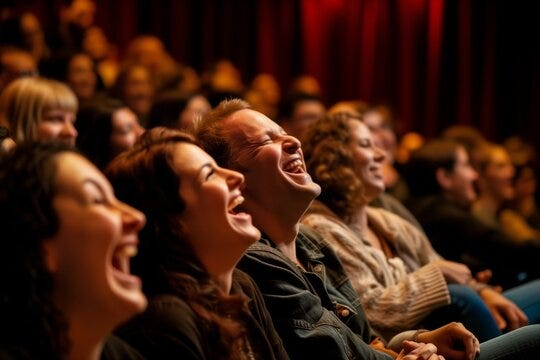
Why the Same Joke Works for One Person and Not Another
Audiences don’t just listen to jokes; they evaluate the speaker. Credibility, relatability, and emotional alignment affect how humor is received. When audiences trust the speaker, they are more willing to laugh—even at subtle or risky material.
This explains why:
- Veteran comedians can succeed with minimal setups
- New performers need tighter timing to earn trust
- Personal storytelling often lands better than abstract humor
Trust reduces cognitive resistance. Once that resistance drops, timing and delivery do the heavy lifting.
The Role of Context in Comedy Timing
Context determines readiness. A joke told too early, too late, or in the wrong environment can fail regardless of quality. Comedy clubs, corporate events, podcasts, and livestreams all demand different timing strategies.
Context affects:
- Audience expectations
- Cultural sensitivity
- Attention spans
- Emotional tone of the room
For example, observational humor thrives when audiences feel relaxed, while sharper commentary requires careful pacing to avoid alienation. Effective timing aligns the joke with the emotional temperature of the room.
Timing Isn’t Instinct—It’s a Skill
Contrary to popular belief, timing is learned, not innate. Most professional comedians refine timing through repeated performance, audience feedback, and deliberate experimentation.
Common techniques include:
- Testing material in smaller rooms
- Recording performances to analyze pacing
- Adjusting pauses based on laugh duration
- Letting applause fully resolve before continuing
According to data from comedy club circuits, comics often perform the same material dozens of times before settling on optimal timing. Mastery comes from repetition, not inspiration.
Delivery Beyond Comedy: Why This Matters in Real Life
The same principles apply outside entertainment. Leaders, teachers, and presenters who understand timing and delivery communicate more persuasively.
Examples include:
- Pausing before key points in presentations
- Adjusting tone to match audience mood
- Letting silence emphasize important messages
In business communication, studies from Harvard Business Review show that speakers who vary pacing and pause strategically are rated as more confident and credible.
Why Viral Humor Often Fails Live
Online clips reward immediacy, while live comedy rewards patience. Many jokes that succeed on social media fail on stage because they rely on editing rather than timing.
Key differences:
- Online humor benefits from cuts and captions
- Live humor requires real-time rhythm
- Audiences expect breathing room in person
This distinction reinforces why delivery, not just content, determines effectiveness.

FAQs: What People Commonly Ask About Comedy Timing
Why do comedians pause before punchlines?
Pauses build anticipation and prepare the audience emotionally for the release.
Can good delivery save a bad joke?
Strong delivery can improve reception, but it cannot fully compensate for unclear or poorly structured material.
Is timing more important than writing?
They work together, but timing often determines whether writing is perceived as funny.
Do comedians plan their timing or improvise it?
Most plan structure but adjust timing based on live audience feedback.
Why does the same joke feel funnier when told by certain people?
Trust, confidence, and delivery style influence audience openness.
How long should a pause be before a punchline?
There’s no fixed rule; it depends on audience response and momentum.
Does timing differ between stand-up and public speaking?
Yes, but both rely on pacing, emphasis, and emotional awareness.
Can timing be taught?
Yes. It improves through practice, observation, and feedback.
Why do laughs sometimes interrupt jokes?
Successful timing invites laughter early, requiring speakers to wait before continuing.
When Silence Speaks Louder Than Words
The best communicators understand that humor lives in the space between words. Timing and delivery shape how ideas are felt, not just heard. When speakers respect silence, read their audience, and control pacing, even simple observations gain power. The joke may start the moment—but timing determines whether it lands.
Key Ideas Worth Remembering
- Timing controls emotional readiness
- Delivery frames meaning before words land
- Pauses build anticipation and trust
- Audience feedback shapes live performance
- These principles extend beyond comedy