
Summary
Thoughtful lifestyle design is emerging as a priority for U.S. households as Americans seek more control over time, health, finances, and home life. Rising costs, remote work, and shifting values are pushing families to intentionally shape daily routines, living spaces, and long-term choices—favoring sustainable habits, flexibility, and well-being over convenience-driven consumption.
Across the United States, the idea of “lifestyle” is being quietly redefined. For decades, lifestyle choices were often shaped by convenience, tradition, or income level rather than intention. Today, more American households are pausing to ask a different question: Is the way we live actually supporting the life we want?
Thoughtful lifestyle design is not about perfection or aesthetics. It’s about aligning daily decisions—how we work, eat, spend, move, and rest—with long-term well-being. This shift is showing up in how homes are organized, how schedules are structured, and how families define success.
The Economic and Cultural Forces Behind the Shift
Several converging forces are pushing lifestyle design into the mainstream. Inflation and housing costs have made inefficiency more expensive. According to the U.S. Bureau of Labor Statistics, consumer prices increased by more than 20% between 2020 and 2024, forcing households to evaluate spending habits more closely.
At the same time, the pandemic accelerated remote and hybrid work. Pew Research Center reports that a majority of U.S. workers with remote-capable jobs now prefer flexible arrangements. With work, family life, and personal time blending together, the structure of everyday life suddenly mattered more.
Culturally, Americans are also questioning long-held assumptions about productivity and success. Longer work hours no longer guarantee financial security, and burnout has become a shared experience rather than a personal failure. Lifestyle design offers a way to regain agency within these constraints.
What “Thoughtful Lifestyle Design” Actually Means
In practical terms, thoughtful lifestyle design means making deliberate choices instead of default ones. It’s less about dramatic overhauls and more about steady alignment.
For many households, this looks like:
- Designing daily routines that protect energy, not just time
- Choosing living spaces based on function rather than size
- Spending money in ways that reduce stress rather than increase it
- Creating boundaries between work, rest, and personal life
A family that moves closer to work to reduce commute stress is practicing lifestyle design. So is a single professional who automates finances to avoid decision fatigue. These choices may look ordinary from the outside, but they’re rooted in intention.
The Home as the Center of Lifestyle Decisions
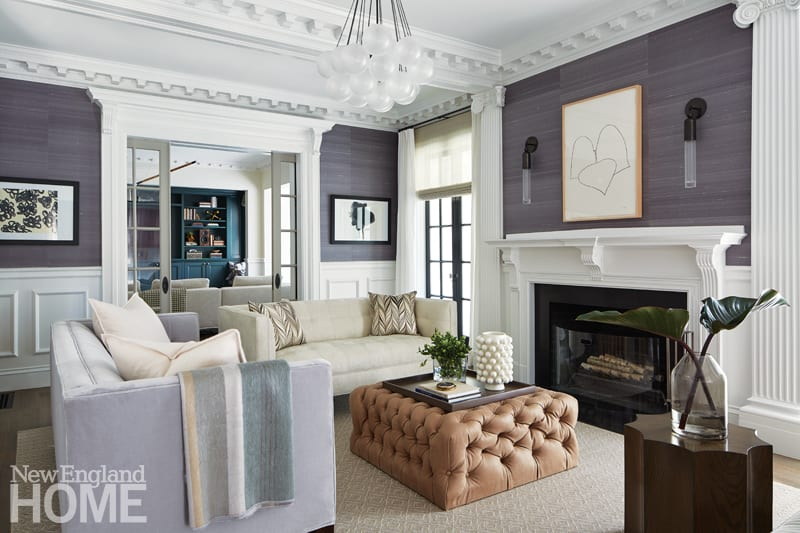
American homes are no longer just places to sleep. They are offices, classrooms, gyms, and recovery spaces. This shift has made households more conscious of how their environments shape behavior.
Data from the National Association of Home Builders shows growing demand for flexible floor plans, home offices, and multipurpose rooms. Storage design, lighting, and noise control are no longer luxury considerations—they’re quality-of-life factors.
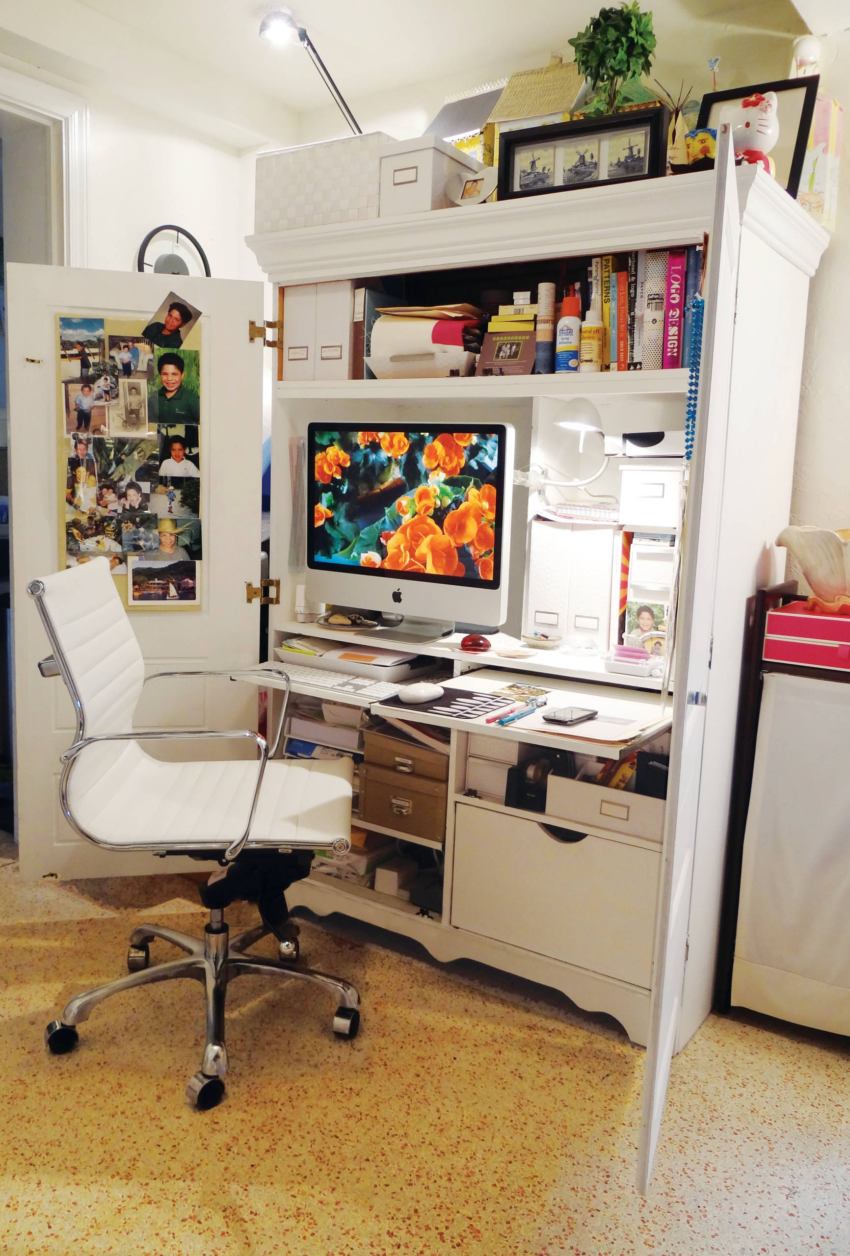
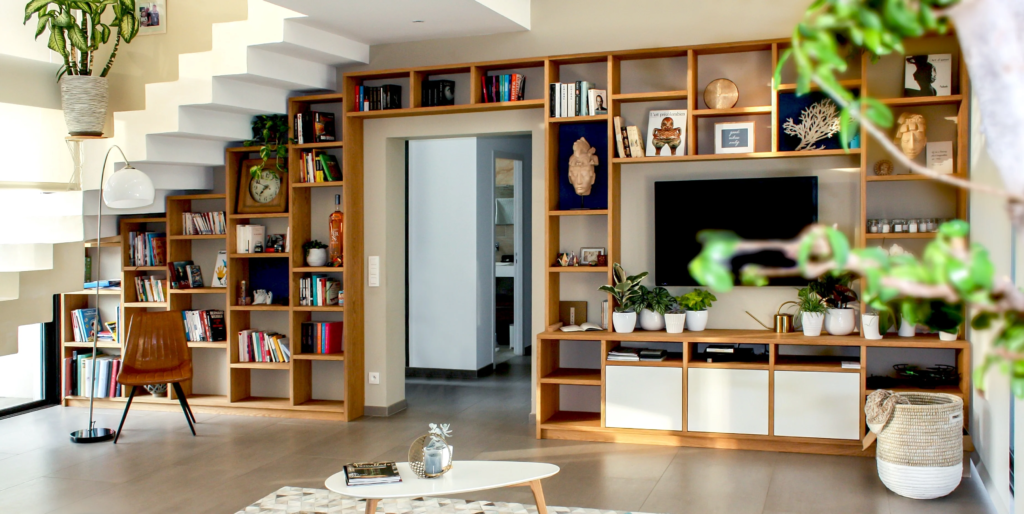
Thoughtful lifestyle design in the home often focuses on reducing friction. Clear entryways, simplified storage, and designated work zones help minimize daily stress. These changes don’t require large budgets, but they do require attention to how spaces are actually used.
Time Design: The Hidden Driver of Lifestyle Satisfaction
Time is the most limited resource for most households, yet it’s often the least intentionally managed. Americans consistently report feeling time-poor, even when working fewer hours than previous generations.
Thoughtful lifestyle design reframes time as something to be protected, not filled. This can mean restructuring mornings to reduce decision-making, grouping errands to free up weekends, or setting clear work cutoffs at home.
Many households are discovering that small scheduling changes compound over time. A consistent sleep routine, for example, improves energy, focus, and emotional regulation—benefits that ripple into every other area of life.
Health Decisions Moving Beyond Fitness Culture
Health-focused lifestyle design is moving away from extremes. Instead of rigid diets or intense workout plans, Americans are gravitating toward sustainable habits that fit real lives.
The Centers for Disease Control and Prevention emphasizes that regular movement, adequate sleep, and stress management have a greater long-term impact on health than short-term interventions. This aligns with how households are adjusting routines: walking meetings, earlier dinners, and realistic exercise schedules.
Thoughtful health design also includes mental health considerations. Creating space for recovery—quiet mornings, device-free evenings, or predictable routines—has become just as important as physical activity.
Financial Design as Lifestyle Stability
Money decisions are deeply tied to lifestyle satisfaction. When finances are reactive, stress increases. When they’re intentional, households gain flexibility.
Lifestyle-driven financial design often includes:
- Automating savings and bill payments
- Aligning spending with personal values
- Reducing fixed costs to increase optionality
- Planning for irregular expenses proactively
According to the Federal Reserve, nearly 40% of Americans would struggle with a $400 emergency expense. Thoughtful financial systems reduce this vulnerability, not through restriction, but through structure.
Sustainability as a Practical, Not Idealistic, Choice
Sustainable living has shifted from an environmental ideal to a practical household strategy. Rising utility costs, supply chain disruptions, and waste fatigue are driving Americans to simplify.
Energy-efficient appliances, reduced consumption, and durable goods are increasingly seen as cost-control tools. Households that design for longevity—repairable items, timeless furnishings, flexible spaces—often experience less financial and emotional strain.
This form of sustainability is less about statements and more about resilience.
Lifestyle Design Across Different Life Stages
Thoughtful lifestyle design looks different depending on household structure and life stage. A young professional optimizing for career flexibility will prioritize different choices than a family with school-aged children or retirees aging in place.
What connects these groups is the desire for alignment. Parents may design routines that reduce weekday chaos. Empty nesters may downsize to reclaim time and mobility. In each case, lifestyle design becomes a way to adapt without losing stability.
Why This Shift Is Likely Permanent
Unlike trend-based lifestyle movements, thoughtful design is rooted in structural realities: economic pressure, time scarcity, and changing work models. These forces are unlikely to reverse.
As Americans continue to face uncertainty, lifestyle design offers a sense of control. It doesn’t promise ease, but it does offer coherence—daily choices that support long-term goals rather than undermine them.
Over time, this mindset reshapes not just homes or schedules, but how people experience their lives.

Frequently Asked Questions
What is thoughtful lifestyle design?
It’s the intentional shaping of daily habits, environments, and decisions to support long-term well-being rather than convenience or default routines.
Is lifestyle design only for high-income households?
No. Many of the most effective changes—routine adjustments, space organization, financial automation—require attention, not money.
How does lifestyle design reduce stress?
By minimizing friction, decision fatigue, and misaligned priorities, households experience fewer daily stressors.
What’s the difference between lifestyle design and self-improvement?
Lifestyle design focuses on systems and environments, while self-improvement often focuses on individual willpower.
Can lifestyle design improve financial stability?
Yes. Intentional spending, cost reduction, and automation create predictability and resilience.
How long does it take to see results?
Small changes often produce noticeable benefits within weeks, especially in energy, time use, and stress levels.
Is this approach sustainable long term?
Yes, because it emphasizes adaptability and realistic habits rather than rigid rules.
How do families start designing their lifestyle?
By identifying pain points first—time pressure, clutter, financial stress—and addressing them one at a time.
Does lifestyle design require major life changes?
Not necessarily. Incremental adjustments are often more effective and sustainable.
Where Intentional Living Quietly Makes the Biggest Difference
Thoughtful lifestyle design rarely announces itself. Its impact shows up in calmer mornings, predictable finances, healthier routines, and homes that support rather than drain energy. For U.S. households navigating complexity, intention has become a practical tool—not a philosophical one.
Signals That Lifestyle Design Is Working
- Reduced daily stress and decision fatigue
- More consistent routines and energy levels
- Clearer alignment between values and spending
- Greater flexibility during unexpected changes