
Summary
Where we travel matters, but how we travel shapes what we gain from the experience. From pacing and purpose to spending choices and cultural awareness, travel behaviors increasingly influence satisfaction, impact, and long-term value. This article explores why intentional travel delivers deeper personal meaning, stronger local benefits, and more sustainable outcomes for modern American travelers.
For decades, travel conversations in the U.S. have centered on destinations. Lists of “must-see” cities, national parks, and bucket-list countries dominate headlines. Yet as travel becomes more accessible—and more scrutinized—many Americans are quietly rethinking a more fundamental question: How we travel.
The shift is not philosophical fluff. It’s rooted in lived experience, cost realities, cultural fatigue, and a growing awareness of travel’s social and environmental footprint. Increasingly, travelers report that two trips to the same place can feel entirely different depending on pace, planning, expectations, and behavior. The destination stays the same. The outcome does not.
This article explores why travel style now matters more than geography—and how Americans can make practical, informed choices that lead to better trips, richer memories, and more responsible outcomes.
The Experience Gap: Same Place, Completely Different Trip
Consider two travelers visiting New Orleans.
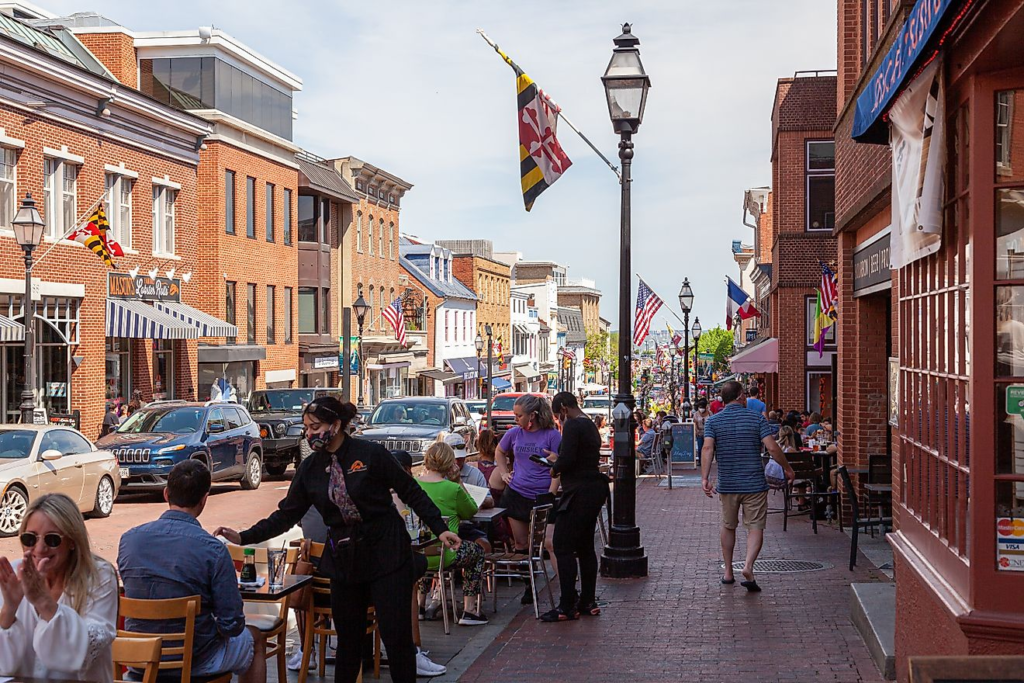
One follows a tightly packed itinerary, hits the most crowded attractions, eats where lines are shortest, and leaves exhausted. The other spends time walking neighborhoods, talking with locals, choosing one meaningful experience per day, and allowing unplanned moments.
Both “went to New Orleans.” Only one truly experienced it.
Research supports this distinction. A 2023 study published in the Journal of Travel Research found that travelers who prioritized experiential depth over activity volume reported significantly higher satisfaction and lower post-trip burnout. The difference was not budget or destination—it was approach.
How we travel determines:
- What we notice
- Who we interact with
- How much we remember
- Whether the trip restores or drains us
Destinations are static. Experiences are not.
Why Americans Are Reconsidering Travel Style
Several forces are converging to push travel behavior to the forefront.
First, cost sensitivity. According to the U.S. Bureau of Labor Statistics, average travel-related expenses rose steadily from 2021 through 2024, making “do everything” trips less feasible. Travelers are being more selective.
Second, crowd fatigue. Popular destinations have rebounded faster than infrastructure. Overcrowding is now one of the top complaints cited in U.S. traveler surveys by organizations such as AAA and Skift.
Third, personal priorities. Post-pandemic travel data shows a rise in trips tied to personal meaning—visiting family roots, nature-based travel, slower itineraries—rather than status-driven travel.
Together, these trends have shifted the focus from where we go to why and how we go.
Pace Is the New Luxury
One of the clearest indicators of travel quality is pace.
Fast travel promises efficiency but often delivers stress. Tight schedules reduce flexibility, amplify delays, and limit emotional presence. Slower travel, by contrast, creates space for observation, connection, and rest.
This does not mean traveling for weeks. It means resisting the urge to overfill days.
Experienced travelers increasingly follow simple pacing principles:
- No more than one major activity per day
- Built-in downtime without scheduled “backup plans”
- Longer stays in fewer places
According to a 2022 Expedia traveler values report, Americans who stayed at least three nights per location rated trips as more “restorative” than those who moved daily.
The luxury isn’t time—it’s attention.
Intentional Choices Shape Cultural Impact
How travelers behave affects communities long after they leave.
Spending money locally, respecting customs, and learning basic context all influence whether tourism benefits or burdens a place. When travelers rush through destinations without understanding them, economic benefits leak outward while social strain remains local.
Intentional travel behaviors that consistently show positive impact include:
- Choosing locally owned accommodations and tours
- Traveling outside peak times when possible
- Learning basic etiquette before arrival
- Avoiding exploitative or extractive experiences
Organizations such as the World Tourism Organization (UNWTO) have repeatedly emphasized that traveler behavior—not just volume—determines sustainability outcomes.
In short, mindful travel is not about moral superiority. It’s about minimizing harm while maximizing mutual value.
Planning Less, Preparing Better
There is a difference between overplanning and thoughtful preparation.
Many Americans confuse the two. Overplanning focuses on control—every hour accounted for. Thoughtful preparation focuses on readiness—knowing enough to adapt.
Preparation that improves trips includes:
- Understanding local transportation norms
- Knowing peak crowd patterns
- Setting realistic daily expectations
- Researching cultural basics rather than attraction rankings
Travelers who prepare this way report fewer conflicts, smoother logistics, and higher confidence when plans change—as they inevitably do.
Preparation doesn’t limit spontaneity. It protects it.
Travel as a Reflection of Values
Travel choices increasingly reflect personal values rather than social signaling.
For some Americans, that means prioritizing accessibility and comfort. For others, it means environmental responsibility or cultural immersion. Neither is inherently better. What matters is alignment.
When travel aligns with personal values, it tends to feel worthwhile—even when imperfect.
Misalignment, on the other hand, leads to regret. Expensive trips that feel rushed. Instagrammable destinations that feel hollow. Experiences chosen for optics rather than interest.
The most satisfied travelers are not those who “see everything,” but those who choose intentionally.
The Memory Factor: What We Actually Remember
Years after a trip, travelers rarely remember checklists. They remember moments.
A conversation with a stranger. A quiet morning walk. A meal without distractions. A small challenge overcome.
Neuroscience research suggests that emotionally engaged, low-stress experiences are more likely to be encoded as long-term memories. Overstimulating, rushed environments often blur together.
How we travel determines which category our experiences fall into.
This is why travel style—not destination prestige—predicts long-term satisfaction.
Common Questions Americans Ask About Travel Style
Does slower travel really save money?
Often, yes. Fewer transit days, reduced activity fees, and less impulse spending can lower total trip costs.
Is intentional travel only for luxury travelers?
No. Intentionality applies at every budget level. It’s about choices, not price points.
Can family travel be slow and meaningful?
Absolutely. Families often benefit most from fewer transitions and flexible schedules.
How do I avoid feeling like I “missed out”?
Set priorities before you go. Missing some things is inevitable; missing presence is optional.
Are guided tours incompatible with intentional travel?
Not at all. Well-chosen guides can deepen understanding and reduce logistical stress.
Does this apply to domestic travel too?
Yes. Many of the most meaningful shifts happen on familiar ground.
How much planning is enough?
Enough to feel informed, not constrained. If your plan can’t bend, it’s too tight.
Is travel still worth it with crowds and costs?
For many Americans, yes—when approached with clarity and restraint.
A Different Way to Measure a Trip
Rather than asking whether a destination was “worth it,” experienced travelers ask different questions afterward:
Did I feel present?
Did I learn something real?
Did I return restored or depleted?
Would I travel this way again?
When those answers are positive, the destination becomes secondary.
Travel, at its best, is not consumption. It’s engagement.
Choosing Depth Over Distance
The future of travel is unlikely to be defined by new destinations alone. It will be shaped by behavior—by travelers who value depth, respect context, and understand that meaning is not guaranteed by miles traveled.
For Americans navigating rising costs, crowded spaces, and competing priorities, this shift is not limiting. It’s liberating.
Where you go will always matter.
How you go determines what stays with you.
What Thoughtful Travelers Keep in Mind
- Fewer places often create richer experiences
- Pace influences memory more than itinerary size
- Preparation enables flexibility
- Local impact is shaped by everyday choices
- Meaning comes from engagement, not accumulation