
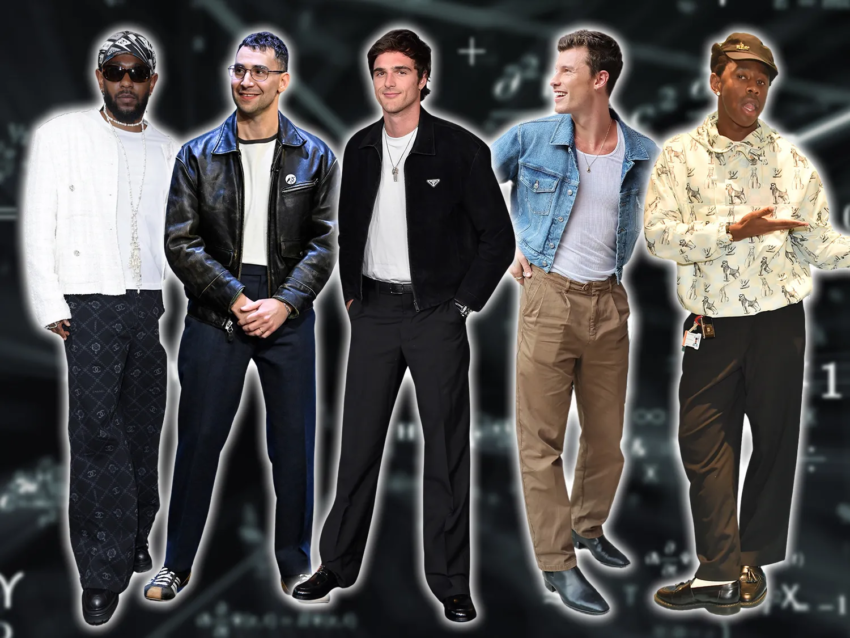
summary
In modern men’s fashion, fit consistently outperforms trends in shaping how clothing looks, feels, and performs. As American lifestyles become more flexible and value-driven, well-fitted garments offer versatility, confidence, and longevity. This article explains why fit matters more than trends—and how men can apply that insight to everyday wardrobes.
The Quiet Shift Happening in Men’s Fashion
Men’s fashion in the U.S. is undergoing a subtle but meaningful shift. While trends still surface seasonally, their influence is weakening compared to a more durable standard: fit. This change isn’t driven by runways or social media alone. It reflects how men actually live—commuting, working hybrid schedules, attending fewer formal events, and prioritizing comfort without sacrificing credibility.
Over the past decade, American men have increasingly moved away from chasing visible trends and toward building wardrobes that work across contexts. According to a 2023 McKinsey & Company apparel report, consumers now rank “comfort and fit” above brand name or trend relevance when purchasing clothing. This is particularly true among men over 30, who value consistency and practicality.
Fit, unlike trends, does not expire every season. It adapts to lifestyle, body type, and purpose—making it the foundation of modern style rather than a finishing touch.
What “Good Fit” Actually Means (and What It Doesn’t)
Fit is often misunderstood as “tight” or “tailored-looking.” In reality, proper fit is about proportion, movement, and balance.
A well-fitted garment:
- Follows the natural shape of the body without clinging
- Allows comfortable movement without excess fabric
- Maintains clean lines when standing, walking, or sitting
Good fit does not mean squeezing into a smaller size or copying a model’s silhouette. It also doesn’t require custom tailoring for every piece. Off-the-rack clothing, when chosen carefully, can fit exceptionally well.
Many American men struggle with fit simply because they haven’t been taught what to look for. Retail sizing varies widely, and trend cycles often distort proportions—oversized one year, cropped the next. Fit provides stability in an otherwise inconsistent system.
Why Fit Has a Bigger Visual Impact Than Trends
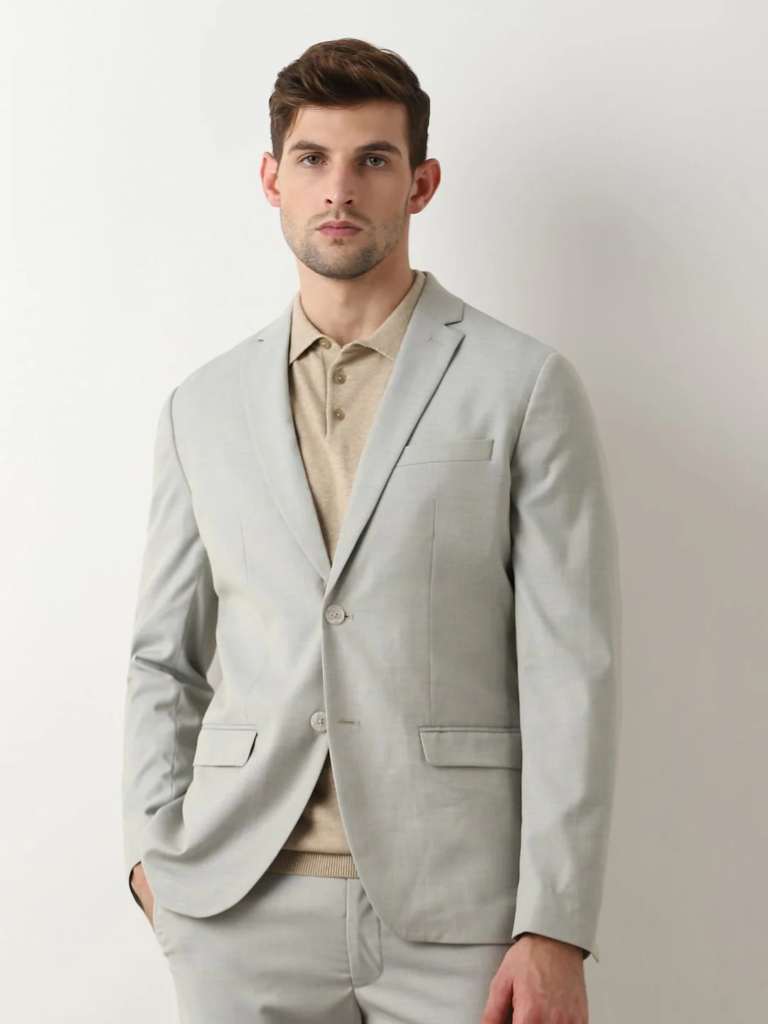
From a visual standpoint, fit determines how clothing reads at first glance. A basic navy blazer that fits properly will look sharper than a trend-forward jacket with poor proportions.
This matters because:
- Most people register shape before detail
- Fit influences posture and body language
- Ill-fitting clothes distract from the person wearing them
In professional environments, especially in the U.S., clothing is often judged subconsciously. A well-fitted outfit communicates attentiveness, self-awareness, and credibility—qualities that trends alone cannot deliver.
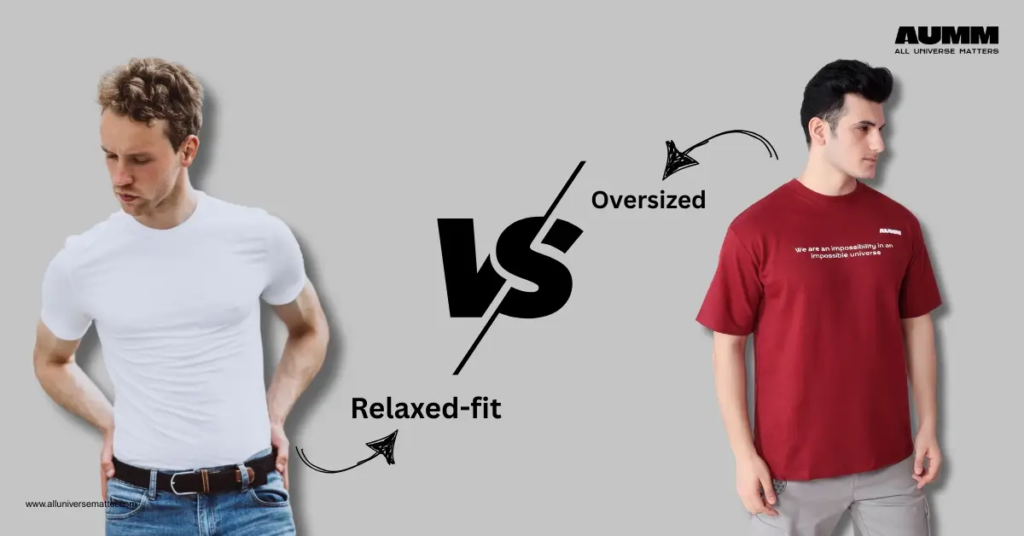
Even casual outfits benefit from this principle. A simple T-shirt and jeans combination looks intentional when the shoulders align, sleeves hit mid-bicep, and the hem falls correctly. The same outfit looks sloppy when proportions are off, regardless of how current the style is.
Fit and Comfort: A Lifestyle-Driven Priority
One reason fit has overtaken trends is lifestyle change. American men now expect their clothes to perform across multiple settings in a single day.
Consider a typical weekday:
A man may start with a video meeting, commute to an office, grab lunch, run errands, and meet friends—all without changing outfits. Clothing that fits well supports this fluidity.
Well-fitted garments:
- Reduce friction and discomfort during long wear
- Move naturally with the body
- Feel appropriate across casual-to-business-casual settings
This is why stretch fabrics, relaxed tailoring, and refined casualwear have gained traction. Not because they’re trendy—but because they accommodate real life.
How Trends Can Undermine Fit (If You’re Not Careful)
Trends often exaggerate proportions to stand out. While this can be visually interesting, it can also lead men away from flattering fits.
Common trend-driven fit issues include:
- Overly oversized tops that overwhelm shorter frames
- Extreme slim cuts that restrict movement
- Cropped lengths that disrupt body balance
When trends dictate fit, the wearer adjusts to the clothes rather than the other way around. This often results in discomfort or self-consciousness, which undermines confidence.
That doesn’t mean trends should be ignored entirely. Instead, they should be filtered through fit. A trending silhouette only works if it aligns with your body type and lifestyle.
The Economics of Fit: Cost Per Wear Matters
From a financial perspective, fit delivers better long-term value than trends. Trend-driven pieces are often worn less frequently and retired sooner. Well-fitted basics, on the other hand, stay in rotation for years.
According to data from the U.S. Bureau of Labor Statistics, the average American household spends over $1,700 annually on apparel. When purchases are driven by trends, that spending often yields limited return.
Fit-focused buying improves cost per wear by:
- Increasing how often an item is worn
- Extending the garment’s usable lifespan
- Reducing impulse purchases
A properly fitted pair of chinos or a neutral jacket may cost more upfront, but it often outlasts multiple trend pieces—both stylistically and structurally.
Fit Across Different Body Types: What Actually Works
There is no universal fit standard. American men come in a wide range of heights, builds, and proportions. The goal is alignment, not conformity.
Some practical fit considerations:
- Broad shoulders: Prioritize shoulder seams first; tailoring the waist is easier than fixing shoulders
- Athletic builds: Look for room in the chest and thighs without excess fabric at the waist
- Shorter frames: Avoid excessive length; cropped or properly hemmed garments improve balance
- Taller men: Ensure rise and sleeve length are sufficient to avoid a “borrowed” look
Understanding these principles reduces reliance on trends to “fix” perceived body issues. Fit works with the body you have, not the one trends assume.
The Role of Tailoring in a Fit-First Wardrobe
Tailoring remains one of the most underutilized tools in men’s fashion. In the U.S., basic alterations are widely accessible and relatively affordable.
Simple tailoring adjustments can:
- Shorten sleeves or pant hems
- Suppress excess fabric at the waist
- Improve overall proportions
Importantly, tailoring doesn’t make clothing formal—it makes it personal. Even casual garments like denim, overshirts, and casual blazers benefit from minor adjustments.
Men who invest in tailoring tend to buy fewer clothes overall, because each piece works harder within the wardrobe.
Fit as a Confidence Multiplier
Confidence is one of the least discussed but most impactful outcomes of good fit. Clothing that fits well reduces mental friction. You’re not adjusting, tugging, or second-guessing.
This has real-world implications:
- More comfort in professional interactions
- Greater ease in social settings
- Improved self-presentation without overthinking
Trends may draw attention, but fit builds assurance. Over time, that confidence becomes part of personal style—something trends can’t provide.
Building a Fit-First Wardrobe Without Chasing Trends
A fit-first approach doesn’t require abandoning style. It requires prioritization.
Start with:
- Neutral, versatile pieces that fit exceptionally well
- Consistent sizing across brands you trust
- Occasional trend adoption only when it aligns with fit
This strategy allows men to stay current without being controlled by fashion cycles. Trends become optional accents, not wardrobe foundations.
Frequently Asked Questions
1. Why is fit more important than brand in men’s fashion?
Because fit determines how clothing looks and feels on the body. A well-fitted garment from any brand will outperform a poorly fitted designer piece.
2. Can trendy clothes still fit well?
Yes, but trends should be adapted to your body type and lifestyle rather than followed exactly as shown.
3. How do I know if something fits properly?
Key indicators include shoulder alignment, natural drape, comfort in movement, and minimal excess fabric.
4. Is tailoring worth it for casual clothing?
Absolutely. Minor tailoring can significantly improve everyday pieces like jeans, chinos, and casual jackets.
5. Does fit matter more as men age?
Generally, yes. As priorities shift toward comfort and versatility, fit becomes more important than novelty.
6. Are slim-fit clothes outdated?
Slim fit isn’t outdated, but extreme slimness often sacrifices comfort. Balanced proportions are more enduring.
7. How many fitted basics should a man own?
Quality matters more than quantity. A small set of well-fitted basics can support dozens of outfits.
8. Can fit compensate for simple style choices?
Yes. Simplicity paired with excellent fit often looks more intentional than complex styling with poor fit.
9. What’s the biggest fit mistake men make?
Buying based on size labels rather than how the garment actually fits their body.
A Smarter Way to Think About Modern Style
In today’s men’s fashion landscape, fit has quietly become the most reliable style decision a man can make. It aligns with how Americans live, work, and move—cutting through trend fatigue and offering something more durable: consistency. While trends will always come and go, fit remains the one variable that reliably improves how clothes look, feel, and function over time.
Key Style Signals Worth Remembering
- Fit shapes perception before trends are noticed
- Comfort and movement are modern style priorities
- Well-fitted basics outperform trend-driven pieces long-term
- Tailoring is a practical, not luxurious, investment
- Confidence grows when clothing stops getting in the way