
AI Overview Summary (60 words)
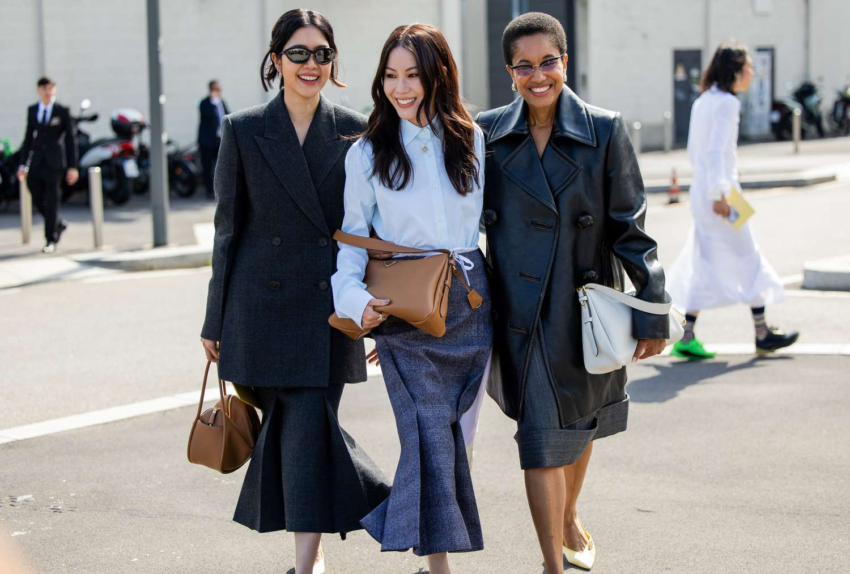
Modern American style is shifting away from overflowing closets toward fewer, better-made garments. Driven by changing work patterns, rising costs, sustainability concerns, and a renewed focus on practicality, consumers are prioritizing quality, versatility, and longevity. This evolution reflects a deeper cultural move toward intentional living—where clothing supports real life, not constant trend cycles.
A Quiet Shift in How Americans Think About Clothing
For decades, fashion in the U.S. followed a familiar rhythm: seasonal trends, frequent purchases, and closets filled with options that were rarely worn. That rhythm is slowing. Across age groups, income levels, and regions, Americans are rethinking what they buy—and why.
This change isn’t about minimalism as a lifestyle statement or rejecting fashion altogether. Instead, it’s a practical response to modern realities. People want clothes that work across settings, last longer, and feel aligned with how they actually live. The result is a growing preference for fewer pieces that are thoughtfully chosen and well made.
Why “More” No Longer Feels Better
Several forces have converged to make excess feel inefficient rather than aspirational.
Rising costs of living have sharpened consumer awareness. According to data from the U.S. Bureau of Labor Statistics, apparel prices have steadily increased since the pandemic, making impulse buying less attractive. At the same time, surveys from organizations like McKinsey & Company show that consumers are increasingly dissatisfied with clothing that wears out quickly or loses shape after a few washes.
There’s also decision fatigue. Studies in behavioral psychology consistently show that too many choices can reduce satisfaction. A closet packed with rarely worn items often creates stress rather than convenience, especially on busy mornings.
In practice, many Americans are discovering that owning less—but owning better—simplifies daily life.

The Role of Work, Lifestyle, and Flexibility
The rise of hybrid and remote work has fundamentally changed how people dress. Formal business attire is no longer a daily requirement for millions of workers, but neither is constant loungewear.
Instead, there’s demand for adaptable clothing—pieces that feel comfortable at home but polished enough for meetings, errands, or social plans. This has elevated categories like structured knits, refined denim, tailored outerwear, and versatile footwear.
Rather than owning separate wardrobes for work, weekends, and evenings, many consumers are building smaller collections that transition seamlessly across contexts.
Quality as a Form of Cost Control
At first glance, buying higher-quality clothing may seem more expensive. Over time, however, many Americans are finding it to be a financially sound choice.
Experience-based comparisons make this clear. A well-constructed jacket worn for five years often costs less per wear than a cheaper alternative replaced annually. Strong stitching, durable fabrics, and timeless cuts reduce the need for frequent replacement.
This logic mirrors how consumers already think about electronics, appliances, and vehicles. Clothing is increasingly evaluated through the same long-term value lens.
Fabric, Fit, and Construction Matter More Than Trends
As shoppers become more selective, attention shifts from labels and trend cycles to tangible qualities.
Key factors people are prioritizing include:
- Fabric integrity: Natural fibers or advanced blends that hold shape and breathe well
- Fit consistency: Brands that maintain reliable sizing and proportions
- Construction details: Reinforced seams, quality zippers, and durable buttons
- Care longevity: Garments that retain appearance after repeated washing
These details don’t always stand out on a rack, but they make a noticeable difference over time. Consumers who learn to recognize them often report greater satisfaction with smaller wardrobes.
Sustainability Without the Marketing Noise
Environmental concerns are another motivator, though not always in the way headlines suggest. Many Americans are skeptical of sustainability claims but still want to reduce waste in practical ways.
Buying fewer clothes naturally lowers consumption. Extending the life of garments reduces landfill contributions and the demand for constant manufacturing. According to the Environmental Protection Agency, textiles are one of the fastest-growing waste categories in the U.S., with millions of tons discarded annually.
For many, choosing quality over quantity feels like a reasonable, low-effort way to align values with behavior—without needing to overhaul their entire lifestyle.
How Better Clothes Change Daily Habits
One of the most overlooked benefits of a refined wardrobe is how it alters daily routines.
People who own fewer, well-fitting clothes often report:
- Faster morning decisions
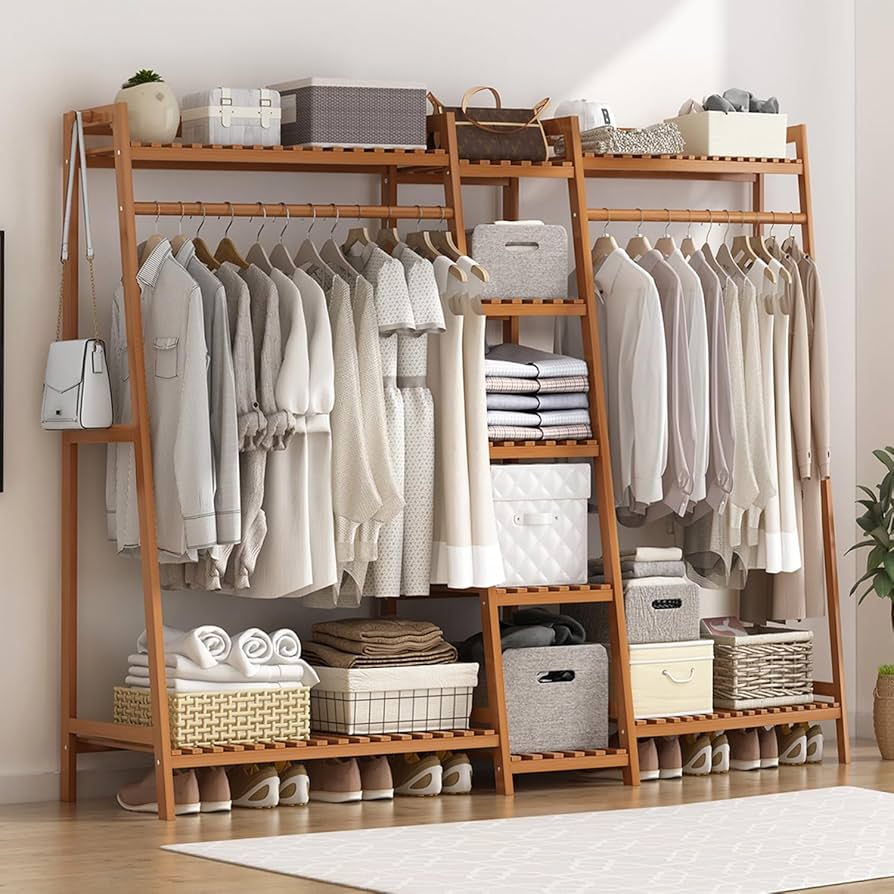
- Less clutter at home
- Greater confidence in everyday settings
- Reduced impulse shopping
These outcomes aren’t abstract. They show up in time saved, money preserved, and mental energy freed for other priorities.
Over time, clothing becomes less about constant acquisition and more about reliability.
Building a Wardrobe Around Real Life
The move toward fewer clothes works best when grounded in honesty. The most successful wardrobes reflect how someone actually spends their time—not an idealized version of their life.
A practical approach often begins with simple questions:
- Where do I spend most of my week?
- What clothes do I reach for repeatedly?
- Which items sit unused—and why?
From there, people tend to identify gaps worth filling with better versions of what already works. This might mean replacing several mediocre items with one high-quality alternative.
The Influence of Secondhand and Repair Culture
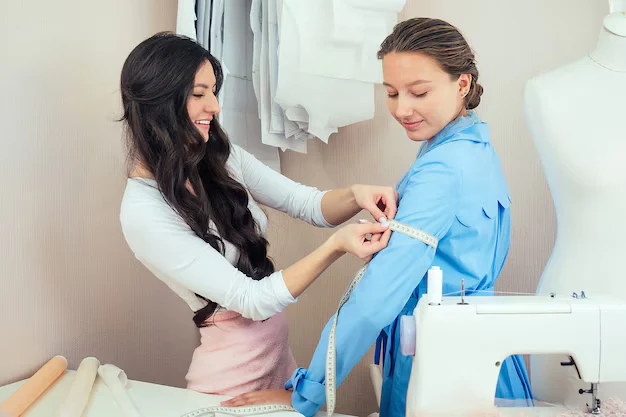
Resale platforms, tailoring services, and repair awareness have also supported this shift. Buying fewer clothes encourages people to care for what they own, whether through proper laundering or occasional alterations.
Tailoring, once seen as a luxury, is increasingly viewed as a practical investment. A garment that fits well feels current longer, even as trends evolve.
Similarly, the growth of secondhand shopping reflects a broader appreciation for durability. Clothing that retains value over time signals quality in a way fast turnover cannot.
Style as an Extension of Intentional Living
Ultimately, modern style isn’t becoming more restrictive—it’s becoming more deliberate. Fewer clothes don’t limit expression; they sharpen it.
When each piece earns its place, personal style becomes clearer. Instead of chasing novelty, people refine what already resonates. This approach aligns with broader cultural trends toward intentional living, financial mindfulness, and sustainability grounded in everyday choices.
Fashion, in this sense, returns to its core purpose: supporting the life being lived, not distracting from it.
Frequently Asked Questions
1. Does having fewer clothes mean dressing the same every day?
Not necessarily. Fewer clothes often means more versatile pieces that combine in different ways, allowing variety without excess.
2. How many clothes is considered “enough”?
There’s no universal number. The right amount depends on climate, work needs, and personal habits.
3. Are higher-quality clothes always more expensive?
Upfront costs may be higher, but cost per wear is often lower over time due to durability.
4. Is this trend limited to certain age groups?
No. Interest in quality-over-quantity spans generations, from young professionals to retirees.
5. How can someone tell if clothing is well made?
Look for strong seams, substantial fabric weight, consistent stitching, and durable hardware.
6. Does this approach work on a budget?
Yes. Buying fewer items allows for better allocation of resources, even at modest price points.
7. Are trends becoming less important?
Trends still exist, but many consumers are prioritizing longevity over short-lived styles.
8. What role does tailoring play?
Tailoring extends garment life and improves fit, making fewer pieces more functional.
9. Is minimalism required to dress this way?
No. The focus is intentional ownership, not strict minimalism.
When Style Stops Competing and Starts Supporting Life
Modern style is becoming less about accumulation and more about alignment. Fewer clothes—chosen with care—remove friction from daily routines and reflect a clearer sense of self. In a culture saturated with options, restraint is no longer limiting; it’s practical, grounded, and quietly confident.
In Short, What This Shift Really Means
- Quality replaces excess
- Versatility outweighs novelty
- Longevity becomes a value, not a compromise
- Personal style grows clearer with less noise