
Summary
Americans are stepping away from hustle culture and rejecting the idea that constant busyness equals success. Driven by burnout, pandemic reflection, and workforce shifts like the Great Resignation, people are redefining productivity around flexibility, mental health, and meaningful work. Instead of glorifying packed schedules, they are choosing intentional living, deeper focus, and sustainable success.
For decades in the United States, being “busy” was a status symbol.
If you weren’t overwhelmed, booked out for weeks, or juggling multiple commitments, you risked appearing unmotivated. Busyness signaled importance. Exhaustion signaled ambition. A packed calendar meant you were winning.
But something changed.
Across industries and generations, Americans are quietly — and sometimes loudly — opting out of busy culture. Search trends for “burnout recovery,” “how to slow down,” and “work-life balance tips” continue to rise. Employers are adjusting policies. Employees are renegotiating boundaries. Entrepreneurs are building leaner businesses.
This isn’t laziness. It’s a cultural recalibration.
Let’s unpack why everyone seems to be quitting “busy” — and what they’re doing instead.
What Is “Busy Culture,” and Why Did It Take Over?
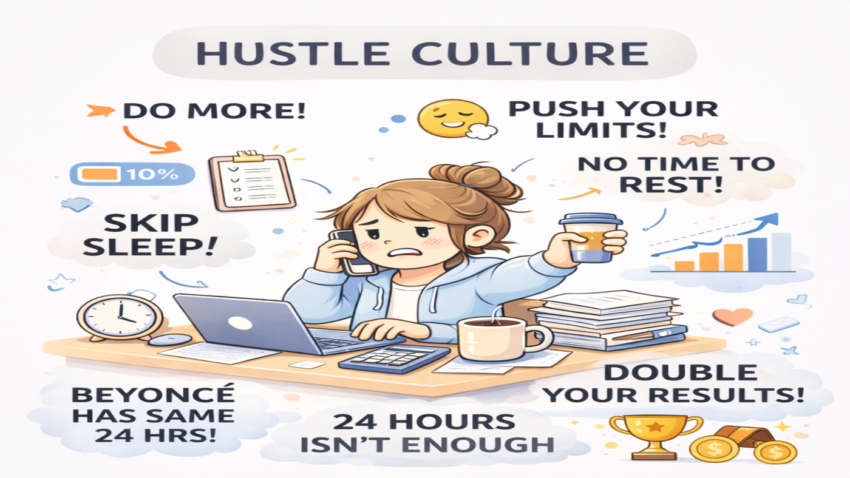
Busy culture is the belief that constant activity equals value. It’s the glorification of long work hours, multitasking, and chronic overcommitment. In this system, productivity becomes identity.
It looks like:
- Responding to emails late at night
- Skipping vacations
- Measuring worth by output
- Filling every open slot on the calendar
- Feeling guilty for resting
For years, hustle culture reinforced this narrative. Social media amplified early-morning routines and “rise and grind” mantras. Corporate structures rewarded overwork. Promotions often went to the most visibly overwhelmed.
But beneath the surface, the cost was mounting.
Why Are Americans Rejecting Being “Busy” Now?
1. Burnout Has Reached a Tipping Point
In 2019, the World Health Organization officially classified burnout as an occupational phenomenon. That recognition reflected a growing crisis.
According to the American Psychological Association, work remains one of the top sources of stress for Americans. Chronic stress has been linked to anxiety, insomnia, cardiovascular strain, and reduced cognitive function.
Real-life example:
Emily, a marketing executive in Chicago, once prided herself on 70-hour workweeks. During remote work in 2020, the lack of commute extended her hours even further. Eventually, she experienced panic attacks and chronic fatigue. Therapy helped her see that her identity was built around being busy. She negotiated a 4-day workweek. Her performance improved — and so did her sleep.
Burnout symptoms many Americans report:
- Emotional exhaustion
- Irritability
- Brain fog
- Reduced motivation
- Sleep disturbances
People aren’t rejecting ambition. They’re rejecting depletion.
2. The Pandemic Triggered a Mass Life Audit
The COVID-19 pandemic forced millions into stillness. With commuting paused and social calendars cleared, many Americans had space to reflect.
Questions emerged:
- Why am I working this much?
- Does this job align with my values?
- What matters most to me?
This reflection fueled the Great Resignation. In 2021 alone, over 47 million Americans voluntarily left their jobs, according to the U.S. Bureau of Labor Statistics.
The movement wasn’t purely about compensation. It was about alignment.
3. Mental Health Became Mainstream
Mental health conversations entered everyday discourse. Therapy became normalized. Employers expanded benefits. Younger generations openly discuss boundaries.
The American Psychological Association reports that Millennials and Gen Z rank work-life balance and mental health as top priorities when evaluating employment.
Consider Carlos, a software engineer in Austin. He declined a 20% salary increase because the new role demanded 60+ hour weeks. Instead, he chose a remote job with flexibility. His income remained stable. His stress decreased dramatically.
The new status symbol isn’t exhaustion. It’s autonomy.
Is Being Busy the Same as Being Productive?
One of the most searched questions online is whether busyness equals productivity.
The answer is clear: no.
Research cited in Harvard Business Review shows productivity significantly declines after approximately 50–55 hours per week. Beyond that, errors increase and efficiency drops.
Busy often means:
- Task-switching
- Reacting instead of planning
- Filling time instead of creating value
Productive means:
- Clear priorities
- Focused, deep work
- Strategic rest
- Defined boundaries
Americans are recognizing that more hours don’t automatically produce better results.
What Are People Doing Instead of Being “Busy”?
The shift away from busy culture isn’t about inactivity. It’s about intentionality.
1. Practicing Intentional Productivity
Rather than filling every minute, professionals are restructuring work around impact.
They are:
- Blocking focused work time
- Eliminating unnecessary meetings
- Setting clear start and stop times
- Measuring output instead of hours
Jessica, a small business owner in Denver, reduced her weekly meetings from 18 to 8. Revenue increased because her focus improved. She made faster, clearer decisions.
2. Prioritizing Flexibility Over Titles
Remote and hybrid work reshaped expectations. Flexibility now ranks higher than prestige for many professionals.
Workers are choosing:
- Remote-first roles
- Freelance careers
- Contract work
- Portfolio income streams
Gallup research consistently shows that a majority of remote-capable employees prefer hybrid or flexible models.
Autonomy has become a competitive advantage.
3. Redefining Success Around Lifestyle
Success used to mean promotions and pay raises. Today, it often means:
- Being home for dinner
- Having energy after work
- Taking real vacations
- Preserving mental clarity
Mark, a former corporate finance manager in New York, transitioned to consulting capped at 25 hours per week. His income decreased slightly, but his life satisfaction increased dramatically.
For many Americans, the trade-off feels worth it.
4. Choosing Depth Over Volume
Instead of maximizing connections, people are deepening them. Instead of chasing every opportunity, they’re focusing on aligned ones.
This approach is sometimes called “slow productivity.” It emphasizes quality over quantity.
Is “Soft Living” Replacing Hustle Culture?
Search interest in “soft life” and “slow living” continues to grow. While influenced by global social media trends, Americans are adopting these ideas in practical ways.
Soft living includes:
- Rest without guilt
- Fewer commitments
- Mindful routines
- Clear personal boundaries
It’s not about disengagement. It’s about sustainability.
Are Younger Generations Driving This Shift?
Millennials and Gen Z are vocal about rejecting hustle culture. However, Gen X and Boomers are also reassessing priorities.
Drivers include:
- Student debt pressures
- Rising living costs
- Caregiving responsibilities
- Long-term health concerns
The difference is cultural transparency. Younger workers openly discuss mental health and boundaries, accelerating the shift.
Does Quitting “Busy” Hurt Career Growth?
Contrary to fears, many professionals report improved performance after reducing unnecessary busyness.
Benefits include:
- Increased focus
- Better strategic thinking
- Lower turnover
- Improved negotiation leverage
Companies that support balance often attract stronger talent pools.
The outdated equation of burnout equals dedication is losing influence.
How Can You Stop Being “Busy” Without Falling Behind?
Here are practical strategies:
1. Audit Your Calendar
Identify recurring tasks that don’t drive meaningful outcomes. Eliminate or delegate at least 20%.
2. Define Three Core Priorities
Choose daily and weekly non-negotiables.
3. Protect Rest
Sleep and exercise are performance enhancers, not luxuries.
4. Learn to Say No
Polite boundary-setting preserves long-term energy.
5. Measure Results, Not Hours
Focus on impact metrics rather than time spent.
Small shifts compound into major improvements.
Frequently Asked Questions (FAQ)
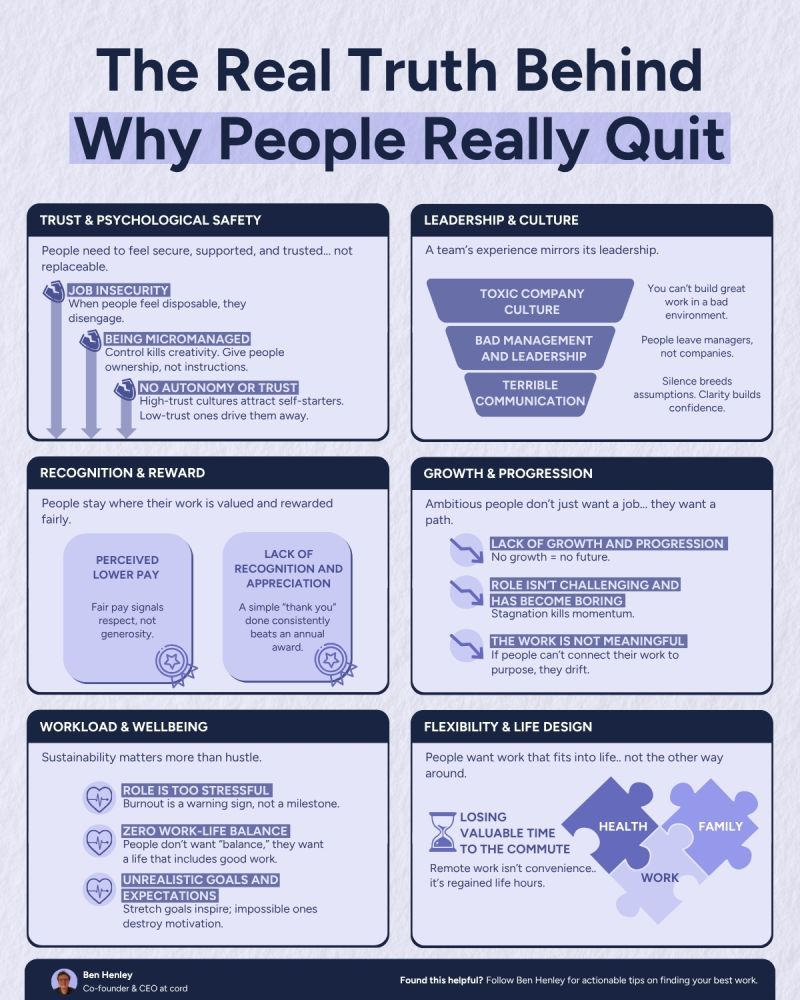
1. Why are so many Americans quitting their jobs?
Burnout, desire for flexibility, mental health prioritization, and reassessment of values post-pandemic are major drivers.
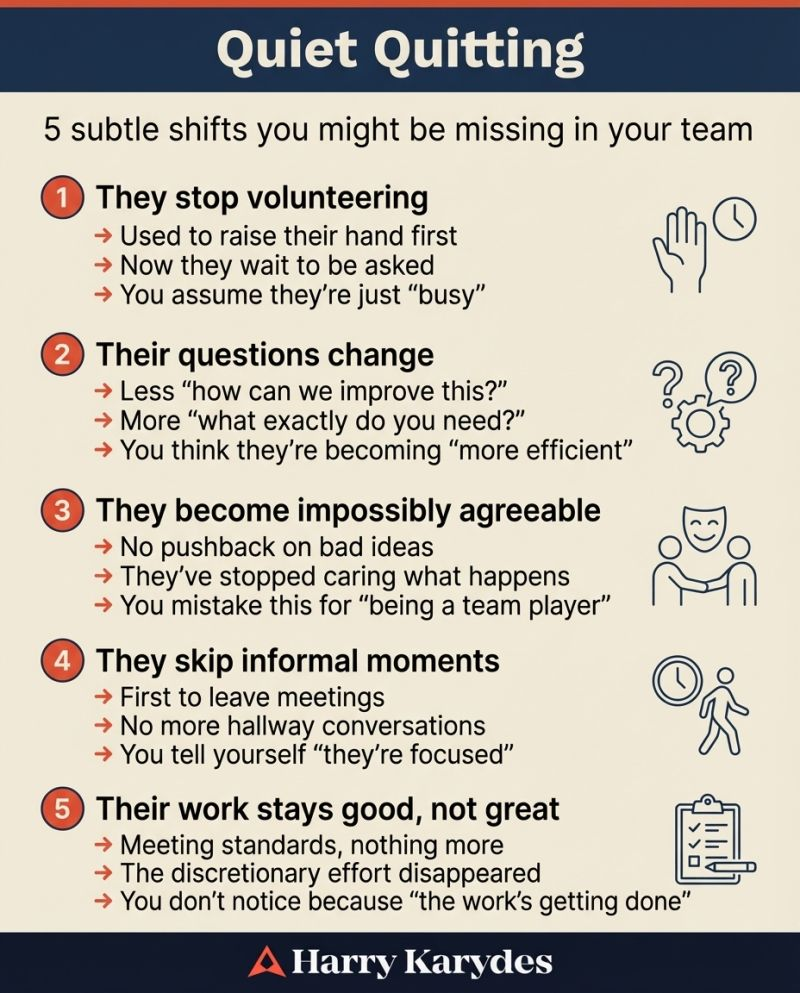
2. Is “quiet quitting” laziness?
No. It typically refers to fulfilling job responsibilities without exceeding role boundaries unnecessarily.
3. What are common signs of burnout?
Chronic fatigue, irritability, reduced motivation, brain fog, and emotional exhaustion.
4. Can working fewer hours improve productivity?
Yes. Studies indicate productivity declines significantly after extended work hours.
5. How do I stop glorifying busyness?
Shift focus from visible effort to measurable outcomes and personal well-being.
6. Is slow living realistic in America?
Yes. It requires intentional scheduling, clear boundaries, and lifestyle alignment.
7. Are companies adapting to this shift?
Many employers now offer hybrid work, mental health benefits, and flexible scheduling.
8. Does quitting busy mean earning less?
Not necessarily. Many professionals maintain income while restructuring workload.
9. How do I talk to my manager about reducing workload?
Present clear data about productivity and propose solutions aligned with business goals.
10. Is this shift temporary?
While economic cycles vary, cultural emphasis on mental health and flexibility suggests lasting change.
The Emotional Core of the Shift
At its heart, quitting busy culture is about reclaiming identity.
For decades, Americans introduced themselves by job title first. Increasingly, people are identifying by passions, family roles, and personal values.
This shift signals a broader transformation: work is becoming part of life — not the definition of it.
Ambition isn’t disappearing. It’s evolving.
Final Takeaways
- Busy does not equal valuable.
- Burnout is driving cultural reevaluation.
- Flexibility is becoming a priority over prestige.
- Productivity thrives within boundaries.
- Sustainable success is replacing hustle culture.
The future of work in America likely belongs to those who balance deep focus with intentional rest.