
Summary
Everyday movement—walking, standing, stretching, and light physical activity woven into daily life—is increasingly recognized as a more sustainable and effective approach to fitness than structured workouts alone. Backed by research and real-world experience, this shift reflects how Americans actually live, work, and age, prioritizing consistency, health, and long-term mobility.
A Quiet Shift in How Americans Define Fitness
For decades, fitness in the U.S. was largely defined by scheduled workouts: gym memberships, high-intensity classes, and rigid exercise plans. While those approaches still have value, a growing body of evidence—and lived experience—suggests they may not be enough on their own.
Many Americans now spend long hours sitting at desks, commuting, or using screens. Even those who work out regularly may remain sedentary for most of the day. Researchers increasingly point to this gap as a key reason why traditional exercise alone has not fully delivered expected health outcomes at a population level.
Everyday movement addresses this problem directly. Instead of focusing only on isolated workout sessions, it emphasizes frequent, low-intensity physical activity spread throughout the day—movement that aligns with how people actually live.
What “Everyday Movement” Really Means
Everyday movement is not a fitness trend or branded program. It is a practical framework rooted in human physiology.
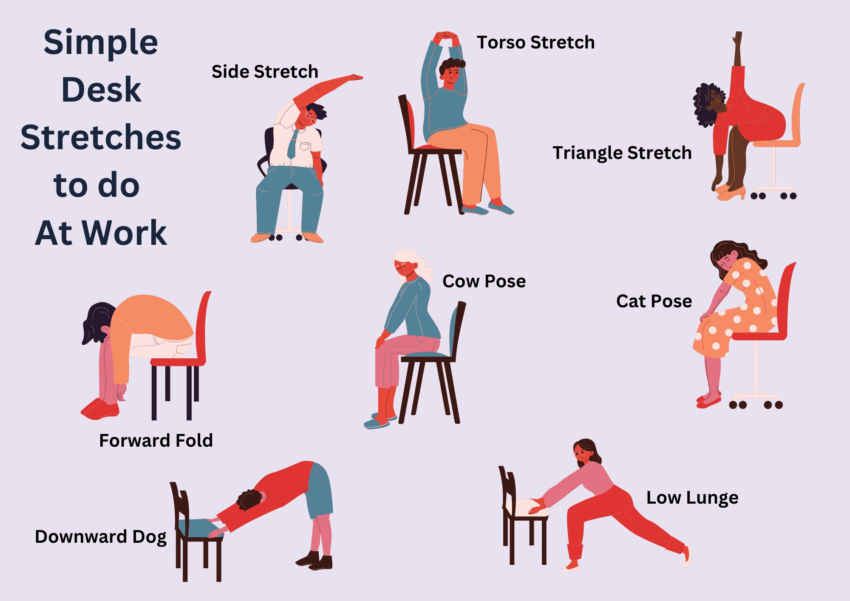
It includes activities such as walking to run errands, standing while working, taking the stairs, stretching between meetings, gardening, housework, and light recreational activity. Individually, these movements may seem insignificant. Collectively, they create meaningful physical demand on the body.
Importantly, everyday movement does not replace exercise for everyone. Instead, it complements or, in some cases, substitutes for formal workouts when time, access, or energy are limited.
Key characteristics of everyday movement include:
- Low to moderate intensity
- Frequent repetition throughout the day
- Integrated into normal routines
- Sustainable across decades
This approach reflects how humans historically stayed active—through constant movement rather than isolated bursts of exertion.

Why Traditional Fitness Models Are Falling Short
Many Americans start fitness programs with strong motivation, only to abandon them weeks or months later. This is not a failure of willpower; it is often a mismatch between program design and real life.
Common barriers include time constraints, childcare responsibilities, unpredictable work schedules, injuries, and burnout. High-intensity or rigid plans can also create an “all or nothing” mindset, where missing a workout feels like failure.
Everyday movement lowers these barriers. It removes the need for special equipment, specific locations, or extended time blocks. It also reduces injury risk and psychological pressure, making physical activity feel accessible rather than overwhelming.
What the Research Says About Movement Frequency
A growing body of research highlights that how often we move may matter as much as how hard we exercise.
Studies published in journals such as The Lancet and Medicine & Science in Sports & Exercise show that prolonged sitting is independently associated with increased risk of cardiovascular disease, type 2 diabetes, and premature mortality—even among people who meet recommended exercise guidelines.
Other research indicates that breaking up sedentary time with short bouts of light activity improves blood sugar regulation, circulation, and metabolic health. Walking for just two to five minutes every half hour has been shown to reduce post-meal blood glucose spikes.
These findings help explain why everyday movement is gaining traction: it directly counters the health risks created by modern sedentary lifestyles.

How Everyday Movement Fits Modern American Life
Everyday movement works because it adapts to reality rather than asking people to reshape their lives around fitness.
Consider a few common scenarios:
- An office worker who takes walking meetings and stands during calls
- A parent who accumulates steps through school drop-offs, errands, and playtime
- A remote employee who schedules brief mobility breaks between video meetings
- An older adult who prioritizes daily walks and household activity over intense workouts
In each case, movement is not a separate task—it is part of the day. This integration increases consistency, which is the strongest predictor of long-term health outcomes.
Everyday Movement Across Different Life Stages
The appeal of everyday movement grows with age, but its benefits apply across the lifespan.
In younger adults, frequent movement supports joint health, posture, and stress management. For middle-aged adults balancing work and family, it offers flexibility and injury prevention. For older adults, everyday movement is strongly linked to balance, independence, and fall prevention.
Healthcare professionals increasingly recommend walking, light resistance, and functional movement patterns for aging populations—not as a downgrade, but as a smarter long-term strategy.
Everyday Movement vs. Exercise: A False Choice
It is important to clarify that everyday movement and exercise are not opposing concepts. The most effective fitness strategies often include both.
Exercise builds strength, power, and cardiovascular capacity. Everyday movement maintains those gains by keeping the body active between workouts. Together, they form a more complete picture of physical health.
For people who already exercise regularly, adding more daily movement can improve recovery and reduce stiffness. For those who struggle with structured workouts, everyday movement can serve as a foundation—or even a primary strategy—without sacrificing health benefits.
Practical Ways to Add More Movement Without “Working Out”
Incorporating everyday movement does not require tracking apps or complex plans. Small environmental and behavioral changes often have the biggest impact.
Helpful strategies include:
- Parking farther from entrances
- Using stairs when available
- Setting reminders to stand or walk every 30–60 minutes
- Walking while taking phone calls
- Doing light stretching while watching TV
- Choosing active leisure over screen-based downtime
The goal is not to maximize steps or calories burned, but to reduce long periods of inactivity.
Why This Shift Is Likely Permanent
Everyday movement aligns with broader cultural changes in how Americans think about health. There is growing skepticism toward extreme fitness narratives and greater appreciation for sustainable habits.
Public health messaging has also evolved, emphasizing “move more, sit less” rather than rigid exercise prescriptions. Employers, healthcare systems, and urban planners are increasingly designing environments that encourage incidental movement.
As work becomes more digital and life expectancy increases, strategies that support lifelong mobility—not short-term transformation—are becoming essential.
A More Realistic Standard for Health
The rise of everyday movement reflects a more mature understanding of fitness. It acknowledges that health is built through repeated, manageable actions rather than dramatic efforts.
By reframing movement as something we do all day—not just at the gym—this approach meets people where they are. It offers a path to better health that feels achievable, inclusive, and resilient over time.

Frequently Asked Questions
Is everyday movement enough to stay healthy?
For many people, yes—especially when combined with occasional strength or aerobic exercise.
How many steps per day count as everyday movement?
There is no universal number; consistency and reduced sitting matter more than step totals.
Does everyday movement help with weight management?
It can support energy balance, but results vary based on diet, genetics, and lifestyle.
Is everyday movement safe for older adults?
Yes. It is often safer and more effective than high-intensity exercise.
Can everyday movement replace the gym?
For some people, it can. Others may benefit from combining both approaches.
How soon do health benefits appear?
Improvements in blood sugar and stiffness can occur within days or weeks.
Does standing count as movement?
Standing is better than sitting, especially when combined with light movement.
Is walking the best form of everyday movement?
Walking is accessible and effective, but variety is beneficial.
How does everyday movement affect mental health?
Regular movement is associated with reduced stress and improved mood.
Living in Motion, Not Chasing Fitness
Everyday movement does not ask for perfection or performance. It invites consistency, adaptability, and respect for the body’s natural need to move. In a culture often driven by extremes, this quieter standard may prove to be the most durable form of fitness Americans have embraced in decades.
What to Remember as You Rethink Fitness
- Movement spread throughout the day matters
- Sitting less can be as important as exercising more
- Consistency outweighs intensity for long-term health
- Everyday movement fits real American lifestyles