
Summary
Energy-conscious homes are moving from niche to mainstream across the U.S., driven by rising utility costs, improved building technology, policy incentives, and changing homeowner expectations. This shift reflects a broader lifestyle and financial recalibration—one where efficiency, comfort, resilience, and long-term value increasingly define what Americans expect from modern housing.
A Quiet but Widespread Shift in American Housing
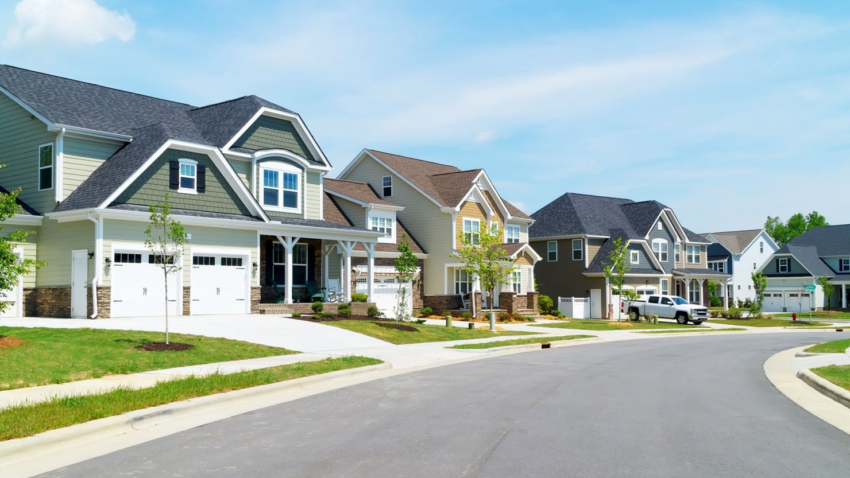
Across the United States, something notable is happening in residential construction and renovation. Energy efficiency—once considered a specialized or “green” upgrade—is increasingly treated as a baseline expectation. From new suburban developments to older urban neighborhoods undergoing renovation, energy-conscious design is no longer an exception. It is becoming the default.
This transition is not driven by ideology or trends alone. It reflects practical responses to economic pressures, evolving building standards, and a clearer understanding of how homes actually perform over time. Homeowners are recognizing that energy efficiency is less about abstract environmental goals and more about daily comfort, predictable costs, and future-proofing one of their largest investments.
Why American Homeowners Are Paying More Attention to Energy Use
For many households, energy awareness starts with the monthly utility bill. According to the U.S. Energy Information Administration, residential energy costs have risen steadily over the past decade, with volatility increasing due to fuel prices, grid demand, and extreme weather events. Heating and cooling alone account for roughly 40–50% of household energy consumption in many U.S. regions.
At the same time, modern lifestyles demand more from homes—larger living spaces, more electronics, remote work setups, and year-round climate control. Energy efficiency has become the most practical way to reconcile comfort with affordability.
Homeowners are also increasingly aware that inefficiency compounds quietly. Poor insulation, air leaks, outdated HVAC systems, and inefficient appliances don’t just cost more month to month; they shorten equipment lifespans and reduce overall home durability.
What Defines an Energy-Conscious Home Today?
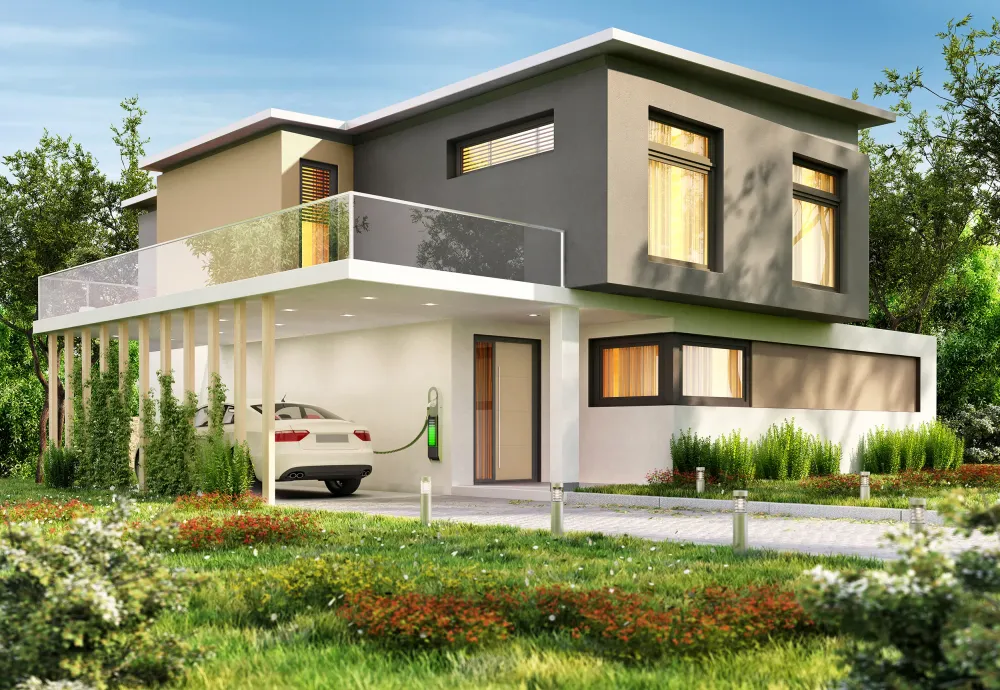
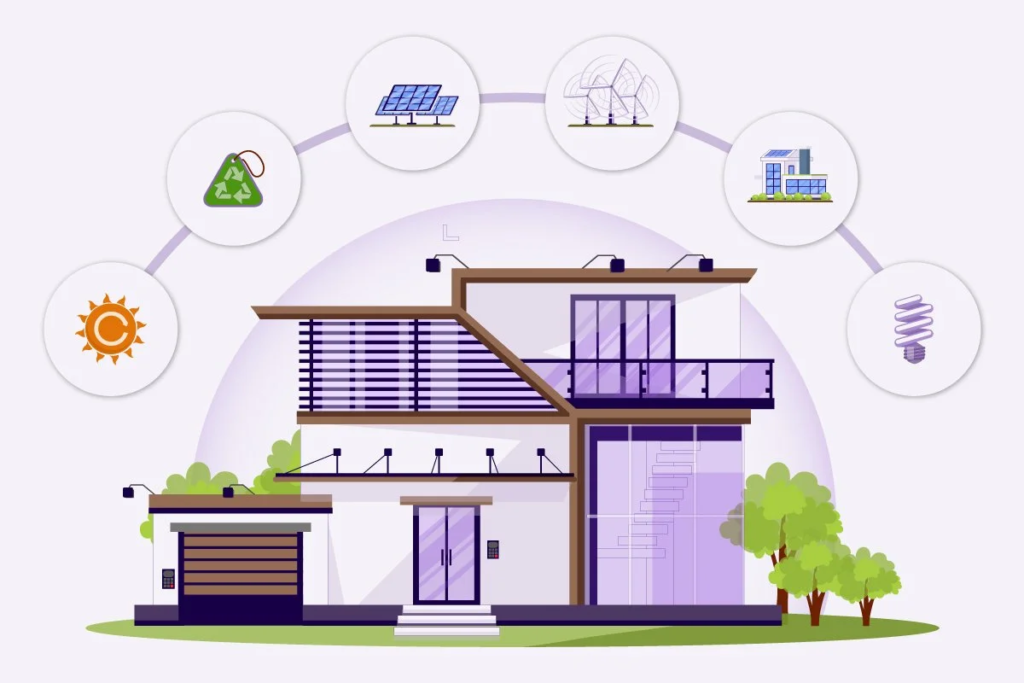
Energy-conscious homes are not defined by a single feature or technology. Instead, they reflect a systems-based approach to how a house uses, retains, and manages energy.
Common characteristics include:
- High-performance insulation and sealed building envelopes
- Energy-efficient windows and doors designed for regional climates
- Right-sized HVAC systems with smart thermostatic controls
- Efficient water heating systems, including heat-pump technologies
- Appliances meeting or exceeding ENERGY STAR® standards
Importantly, these elements work together. A high-efficiency furnace, for example, delivers limited benefits if the home leaks air or lacks proper insulation. Modern building practices increasingly emphasize performance testing—such as blower door tests—to ensure homes function as designed.
The Role of Building Codes and Market Expectations
Energy efficiency is not just a homeowner preference; it is increasingly embedded in regulation. State and local governments across the U.S. have adopted updated building energy codes, often based on International Energy Conservation Code (IECC) standards. These codes influence everything from insulation requirements to lighting efficiency.
Beyond regulation, market expectations are shifting. Real estate professionals report that buyers increasingly ask about energy costs, system ages, and efficiency features during showings. A home with documented energy upgrades is often perceived as better maintained and lower risk—even when square footage and finishes are comparable.
In competitive housing markets, energy performance can quietly influence sale speed and resale value. Appraisers and lenders are also beginning to incorporate efficiency data into valuation models, reinforcing the trend.
Energy Efficiency as a Lifestyle Decision, Not a Sacrifice
One misconception persists: that energy-conscious homes require lifestyle compromises. In practice, the opposite is often true.
Well-designed efficient homes tend to offer:
- More consistent indoor temperatures
- Better humidity control
- Reduced drafts and noise infiltration
- Improved indoor air quality
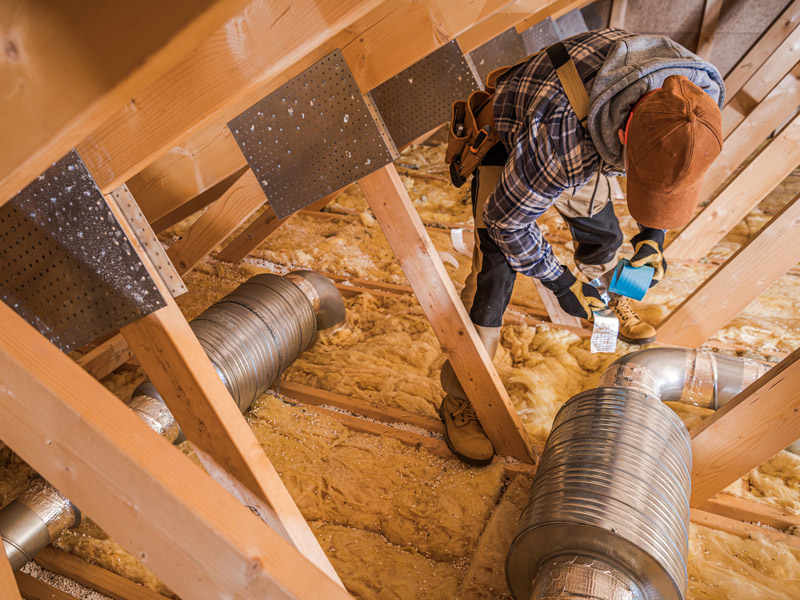
These benefits are especially noticeable in older housing stock, where targeted upgrades—such as sealing ductwork or adding attic insulation—can dramatically improve livability. For families working from home, retirees aging in place, or households with health sensitivities, these comfort gains are often as important as cost savings.
Climate Resilience and Grid Reliability Concerns
Energy consciousness is also being shaped by resilience concerns. Extreme weather events—heat waves, winter storms, wildfires—have increased strain on regional power grids. Homes that consume less energy and retain conditioned air longer are better positioned during outages or supply disruptions.
In regions like Texas, California, and the Midwest, homeowners are increasingly pairing efficiency upgrades with resilience strategies such as:
- Enhanced insulation to maintain indoor temperatures longer
- High-efficiency heat pumps capable of both heating and cooling
- Solar panels combined with battery storage (where feasible)
While not every energy-conscious home includes renewable generation, efficiency improvements are often the first and most cost-effective step toward energy independence.
Financial Incentives and Policy Signals
Federal and state incentives have accelerated adoption. Programs supported by the U.S. Department of Energy and administered through state energy offices offer rebates and tax credits for qualifying upgrades. The Inflation Reduction Act expanded many of these incentives, particularly for heat pumps, insulation, and electrical panel upgrades.
These programs matter because they reduce upfront barriers. Energy upgrades often pay for themselves over time, but incentives shorten payback periods and make improvements accessible to middle-income households.
Additionally, utilities increasingly offer demand-response programs and efficiency rebates, aligning household savings with grid stability goals.
How Energy-Conscious Design Is Changing New Construction
Builders are adapting quickly. Many new U.S. homes now include features that would have been considered premium upgrades a decade ago. This includes advanced framing techniques, continuous insulation, high-efficiency HVAC systems, and smart home controls.
From a builder’s perspective, energy-conscious design reduces callbacks, improves customer satisfaction, and differentiates developments in crowded markets. From a buyer’s perspective, it reduces uncertainty—especially for first-time homeowners concerned about long-term affordability.
Over time, these design choices normalize efficiency as part of what defines “quality construction.”
Retrofitting Existing Homes: Where Most Progress Is Happening
While new construction attracts attention, the majority of U.S. housing stock was built before modern efficiency standards. As a result, retrofitting existing homes represents the largest opportunity for impact.
Common retrofit pathways include:
- Air sealing and insulation upgrades
- Replacing aging furnaces or air conditioners with heat pumps
- Upgrading water heaters to high-efficiency models
- Improving ductwork design and sealing
Home energy audits—often subsidized by utilities or state programs—help homeowners prioritize improvements based on actual performance rather than guesswork.
Long-Term Value: Efficiency as Risk Management
At its core, the rise of energy-conscious homes reflects a broader shift in how Americans evaluate housing risk. Energy-inefficient homes are more vulnerable to rising utility costs, regulatory changes, and climate variability.
By contrast, efficient homes offer predictability. They reduce exposure to price shocks, improve durability, and align with evolving market expectations. For homeowners planning to stay put—or eventually sell—energy efficiency increasingly functions as a form of long-term risk management.
Frequently Asked Questions
1. Are energy-efficient homes more expensive to buy?
They may have slightly higher upfront costs, but operating expenses are typically lower, and incentives often offset initial price differences.
2. Do energy upgrades actually pay for themselves?
Many do over time, especially insulation, air sealing, and HVAC upgrades, depending on energy prices and usage.
3. Is energy efficiency only relevant in extreme climates?
No. Homes in all U.S. regions benefit from improved efficiency, though strategies vary by climate zone.
4. What is the first upgrade most homeowners should consider?
A professional energy audit is usually the best starting point to identify cost-effective improvements.
5. Are smart thermostats enough on their own?
They help, but are most effective when paired with a well-sealed, insulated home.
6. How do energy-conscious homes affect resale value?
Homes with documented efficiency upgrades often sell faster and are perceived as lower risk by buyers.
7. Can renters benefit from energy efficiency?
Yes, especially through efficient appliances, weatherization programs, and utility incentives.
8. Are older homes good candidates for efficiency upgrades?
Absolutely. Many older homes see the largest performance improvements from targeted retrofits.
9. Do efficient homes require special maintenance?
No, but proper installation and periodic system checks are important for performance.
Where the American Housing Standard Is Headed
Energy-conscious homes are becoming the norm not because of mandates or marketing, but because they align with how Americans live today. They offer comfort without excess, resilience without complexity, and savings without sacrifice. As efficiency continues to integrate into codes, markets, and expectations, it is increasingly clear that the “standard” U.S. home is being quietly redefined—one kilowatt-hour at a time.
Key Signals Shaping the Shift
- Rising and volatile household energy costs
- Stronger building energy codes nationwide
- Expanded federal and state incentives
- Growing buyer awareness and market demand
- Increased focus on comfort and resilience