
Summary
Eco-friendly choices are no longer niche preferences—they’re becoming everyday norms across American households. Driven by cost savings, health benefits, better product access, and clearer climate data, sustainability now fits naturally into modern life. This article explains why these shifts are happening, what they look like in practice, and how Americans are adopting them without radical lifestyle changes.
The Quiet Normalization of Sustainable Living
A decade ago, eco-friendly living in the U.S. was often framed as a lifestyle for activists or early adopters. Today, it’s increasingly mainstream. Energy-efficient appliances, reusable household goods, and sustainable food options have moved from specialty markets into big-box stores, suburban kitchens, and urban apartments alike.
This shift isn’t driven by ideology alone. It reflects a broader change in how Americans evaluate value—factoring in long-term costs, health outcomes, and reliability alongside environmental impact. Sustainability is no longer about doing “more,” but about doing things smarter.
Why Eco-Friendly Choices Now Fit Everyday American Life
Several converging forces have made sustainable options easier—and more practical—than ever.
First, accessibility has changed dramatically. Products that were once expensive or hard to find are now widely available. Major retailers stock LED lighting, refillable cleaners, compostable packaging, and energy-efficient home goods at competitive prices.
Second, cost transparency has improved. Americans are increasingly aware of lifecycle costs. Energy-efficient appliances, for example, may cost more upfront but consistently lower monthly utility bills. According to U.S. Department of Energy data, switching to ENERGY STAR–certified products can reduce household energy use by up to 30 percent over time.
Third, sustainability aligns with convenience. Smart thermostats, low-maintenance native landscaping, and reusable products designed for daily use reduce effort rather than add to it. Eco-friendly living increasingly saves time, not just resources.
The Role of Economics: Saving Money Without Sacrifice
For many households, environmental benefits alone aren’t enough to justify change. Financial impact matters.
Eco-friendly choices are becoming standard largely because they make economic sense. Consider transportation. Hybrid and electric vehicles, once niche, are now common in suburban driveways. Federal tax incentives, reduced fuel costs, and lower maintenance needs make them financially viable for middle-income families.
The same applies to homes. Better insulation, energy-efficient windows, and solar installations lower long-term costs. Even renters benefit through utility-efficient buildings and shared amenities designed to reduce energy use.
Importantly, these savings are cumulative. Over years, small decisions—LED bulbs, water-saving fixtures, efficient appliances—translate into meaningful financial relief.
Health and Wellness as a Driving Force
Sustainability and personal health are increasingly linked in the American mindset.
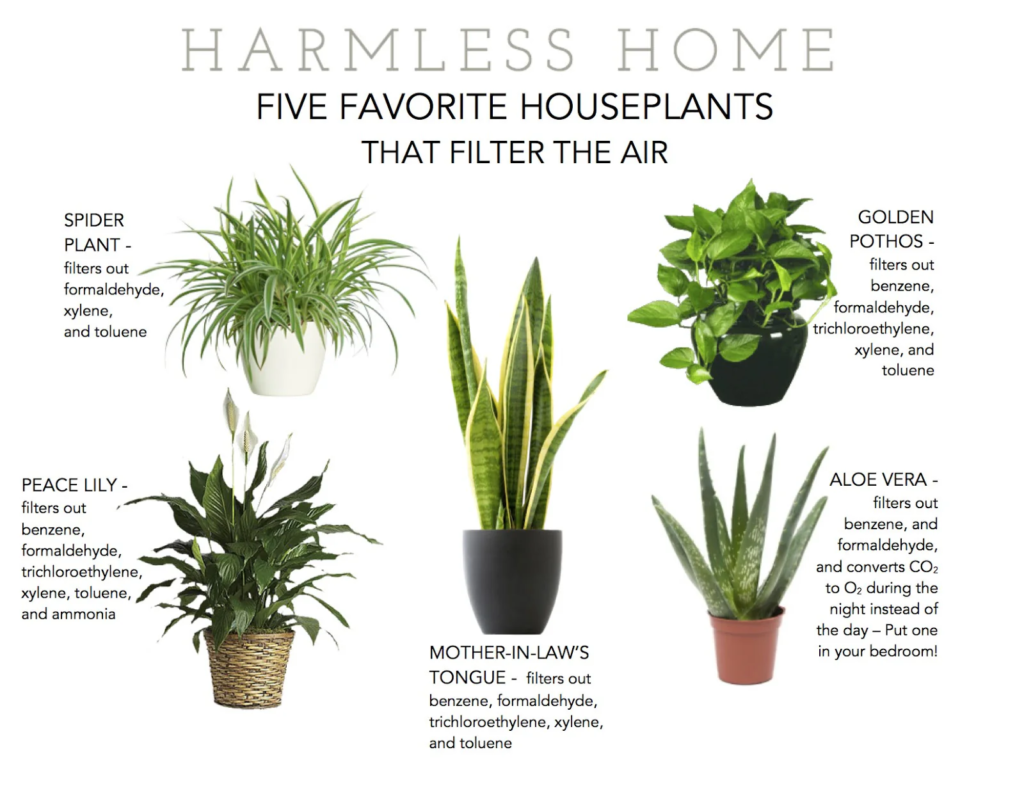
Eco-friendly cleaning products reduce indoor air pollution. Sustainable food choices often emphasize whole foods with fewer additives. Reduced reliance on synthetic materials and chemicals aligns with broader wellness trends focused on prevention rather than treatment.
Parents, in particular, are driving this change. Concerns about household toxins, food quality, and long-term exposure have pushed eco-conscious products into mainstream family shopping habits.
Rather than seeing sustainability as abstract or global, Americans increasingly experience its benefits at home—through cleaner air, safer materials, and healthier daily routines.
How Modern Products Removed the “Lifestyle Trade-Off”
One reason eco-friendly living stalled in the past was perceived inconvenience. Early sustainable products often required compromise—less durability, limited functionality, or higher maintenance.
That perception no longer holds.
Today’s sustainable products are designed to outperform conventional alternatives. Reusable containers are lighter and more durable. Eco-friendly fabrics rival or exceed traditional materials in comfort and longevity. Home energy systems integrate seamlessly with smart technology.
This evolution matters. When sustainability enhances quality rather than limiting it, adoption becomes natural instead of forced.
Social Influence Without Social Pressure
Cultural norms shape lifestyle choices, often quietly.
As more Americans adopt sustainable habits, those behaviors feel less exceptional. Seeing neighbors compost, install solar panels, or carry reusable bags normalizes the behavior without requiring advocacy.
Social media plays a role, but real-world visibility matters more. When eco-friendly living is modeled by peers rather than promoted by brands, it feels achievable and grounded.
This normalization is particularly strong among younger generations, who view sustainability as part of responsible adulthood rather than a separate identity.
Practical Examples of Sustainability in Daily Life
Eco-friendly living today often looks ordinary:
- Families choosing induction stoves for safety and efficiency
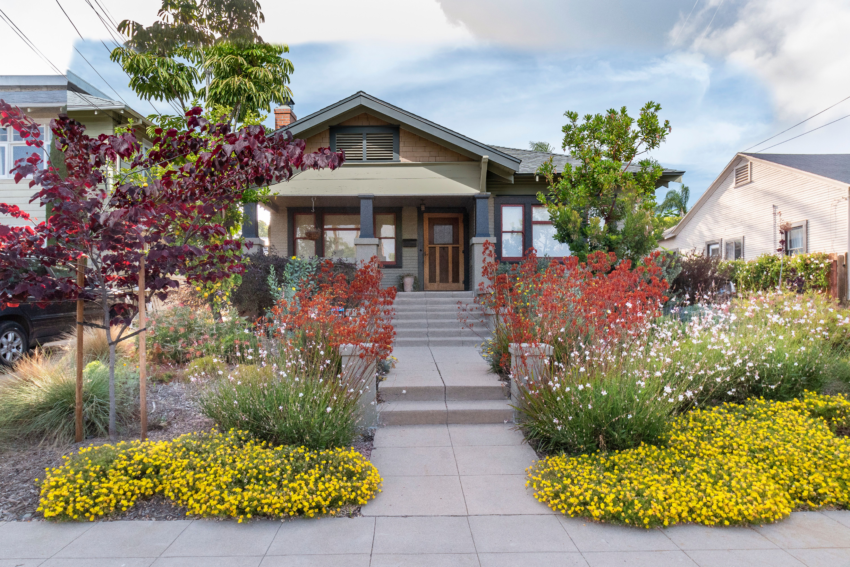
- Homeowners replacing lawns with drought-resistant native plants
- Offices adopting hybrid work to reduce commuting emissions
- Shoppers prioritizing durable goods over disposable alternatives
These aren’t dramatic lifestyle overhauls. They are incremental decisions that align with existing routines.
The cumulative effect, however, is substantial—both environmentally and economically.
The Influence of Policy, Data, and Transparency
Government standards and corporate transparency have quietly accelerated adoption.
Clear labeling, energy ratings, and sustainability disclosures help consumers make informed choices without extensive research. Incentive programs reduce financial risk. Updated building codes improve efficiency by default rather than by choice.
Importantly, data availability has increased trust. Consumers can now verify claims rather than rely on marketing language, reducing skepticism around greenwashing.
Is Eco-Friendly Living Only for Certain Lifestyles?
A common concern is that sustainability favors urban, high-income, or flexible lifestyles. While disparities still exist, the gap is narrowing.
Rural households benefit from energy independence solutions like solar and efficient heating. Suburban families access affordable sustainable products through mainstream retailers. Renters gain from building-level efficiency improvements.
Eco-friendly living isn’t universal yet—but it’s no longer exclusive.

Frequently Asked Questions
What does an eco-friendly lifestyle actually mean today?
It focuses on practical choices that reduce waste, save energy, and improve health without requiring major sacrifices.
Is eco-friendly living more expensive?
Often no. While some products cost more upfront, long-term savings frequently outweigh initial expenses.
Do small changes really matter?
Yes. Widespread adoption of small habits produces measurable collective impact.
Are eco-friendly products reliable?
Modern sustainable products are typically designed to meet or exceed conventional performance standards.
How can renters live more sustainably?
Through energy-efficient appliances, reduced waste, smart purchasing, and shared building initiatives.
Is sustainable food always organic?
No. Sustainability includes local sourcing, reduced waste, and efficient production—not only organic certification.
Does eco-friendly living require lifestyle changes?
Most changes are incremental and integrate easily into existing routines.
How can families start without feeling overwhelmed?
By focusing on one area—energy, food, or waste—and building gradually.
Is sustainability a passing trend?
Current data suggests it’s a structural shift driven by economics, health, and infrastructure.
Where Modern Lifestyles Are Quietly Heading
Eco-friendly choices are becoming standard not because Americans are being persuaded, but because sustainability increasingly aligns with how people want to live—efficiently, affordably, and responsibly.
The future of sustainable living in the U.S. is not about radical change. It’s about smarter defaults, better-designed systems, and everyday decisions that feel normal rather than notable.
Key Signals Shaping the Shift
- Sustainability now competes on value, not ideals
- Convenience and performance drive adoption
- Health and cost benefits resonate across demographics
- Eco-friendly options increasingly define “modern” living