

Summary
When culture becomes part of everyday living, it strengthens connection, perspective, and personal meaning. Engaging with traditions, arts, food, and community practices fosters empathy, supports mental well-being, and deepens civic life. This article explores how integrating cultural experiences into daily routines enriches individual lives while strengthening communities across the United States.
In the United States, conversations about lifestyle often center on productivity, wellness, or material comfort. Yet beneath those priorities is a quieter shift: many Americans are intentionally weaving cultural experiences into their daily lives. This isn’t about international travel or elite art access. It’s about how music, food, language, history, rituals, and shared community experiences shape how we live, connect, and understand one another.
When culture becomes part of everyday living, it does more than add interest—it changes how people relate to their surroundings, their neighbors, and themselves. The benefits are practical, measurable, and deeply human.
Culture as a Daily Practice, Not a Special Occasion
For much of modern life, culture has been treated as something separate—reserved for weekends, vacations, or special events. Museums, performances, and heritage celebrations were seen as optional extras. Increasingly, Americans are reframing culture as something lived rather than consumed.
Daily cultural engagement might look like cooking a traditional family recipe on a weeknight, attending a neighborhood festival, supporting local artists, or learning the history of the land you live on. These practices don’t require expertise or wealth. They require curiosity and attention.
Research from the National Endowment for the Arts shows that Americans who regularly engage in cultural activities—whether attending events or practicing creative skills—report higher levels of life satisfaction and social connectedness. Culture, in this sense, becomes a stabilizing routine rather than an occasional indulgence.
Strengthening Social Connection in a Fragmented World
One of the most tangible gains of everyday cultural living is stronger social connection. In a time when loneliness is recognized as a public health issue—highlighted by the U.S. Surgeon General in 2023—shared cultural experiences offer an antidote.
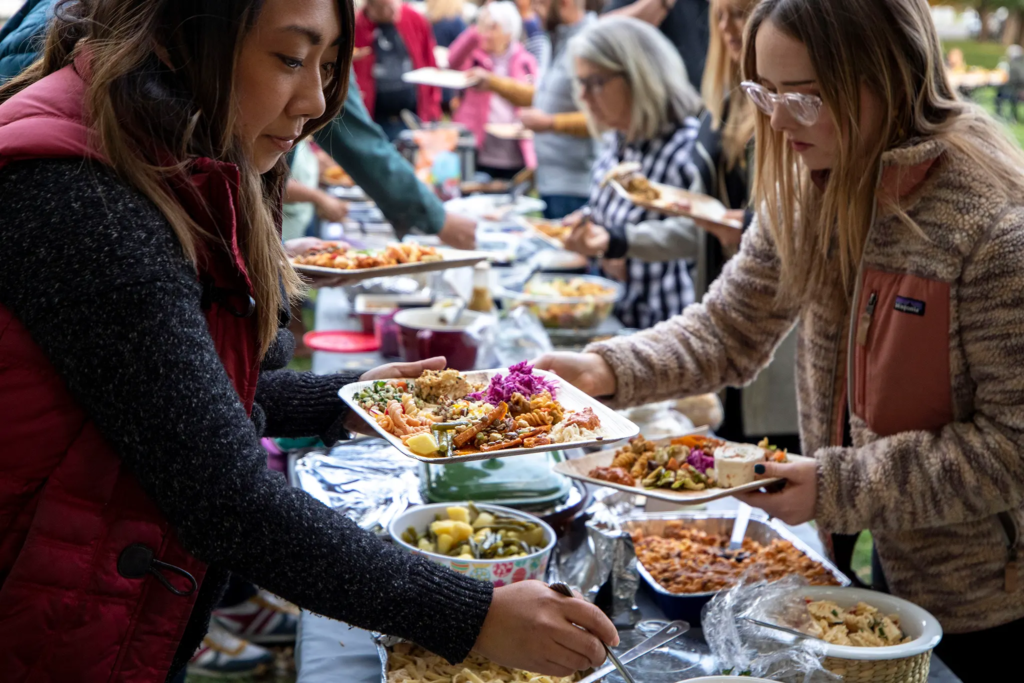
Culture creates common ground. It gives people reasons to gather, talk, and collaborate across differences. Community meals, public art projects, faith traditions, storytelling circles, and neighborhood celebrations all provide structured opportunities for interaction without the pressure of performance.
These interactions matter because they:
- Reduce social isolation
- Build trust among neighbors
- Create informal support networks
- Encourage intergenerational relationships
When culture is embedded in daily life, connection becomes habitual rather than forced.
Expanding Perspective Without Leaving Home
Cultural exposure broadens perspective, and it doesn’t require international travel. In culturally diverse American cities and towns, everyday encounters already offer opportunities to learn from different histories and worldviews.
Visiting a local cultural center, listening to music from another tradition, or participating in a community celebration introduces new ways of seeing the world. Over time, these experiences build cultural literacy—the ability to understand, respect, and communicate across differences.
Studies in social psychology consistently show that exposure to diverse cultural narratives increases empathy and reduces implicit bias. When people regularly encounter stories and traditions outside their own background, curiosity replaces fear. This has practical consequences for workplaces, schools, and civic life.
Supporting Mental and Emotional Well-Being
Cultural engagement isn’t only social—it’s personal. Many Americans turn to cultural practices as grounding tools in stressful lives. Music, storytelling, ritual, and creative expression help people process emotion and maintain balance.
Healthcare research increasingly recognizes the mental health benefits of cultural participation. A large-scale study published in The British Journal of Psychiatry found that adults who engaged in arts and cultural activities had significantly lower rates of depression and anxiety.
In daily life, cultural practices support well-being by:
- Offering moments of reflection and meaning
- Providing emotional expression beyond words
- Creating continuity during times of change
- Reinforcing identity and belonging
For many, culture becomes a form of self-care that feels meaningful rather than transactional.

Preserving Identity While Adapting to Change
Everyday cultural living helps individuals and communities maintain continuity in a rapidly changing world. For immigrant families, cultural traditions preserve heritage while adapting to American life. For long-established communities, they anchor identity amid economic or demographic shifts.
This balance between preservation and adaptation is especially visible in food culture, language use, and seasonal rituals. When culture is lived daily, it evolves naturally without disappearing.
Cultural continuity also benefits younger generations. Children exposed to family and community traditions develop stronger identity formation and emotional resilience. They learn where they come from while gaining tools to navigate where they are.
Economic and Civic Benefits at the Local Level
Cultural participation isn’t only personal—it has economic and civic impact. According to the U.S. Bureau of Economic Analysis, arts and cultural production contributes over $1 trillion annually to the U.S. economy, supporting millions of jobs.
When culture is part of everyday life, communities benefit through:
- Increased support for local businesses and creators
- Revitalized public spaces
- Stronger civic engagement
- Greater neighborhood pride
Farmers markets, cultural districts, public art initiatives, and community theaters all thrive when residents see culture as part of normal life rather than occasional entertainment.
Culture in the Workplace and Everyday Routines
Everyday culture also influences how Americans work and organize their time. Inclusive workplaces increasingly recognize cultural holidays, encourage storytelling, and support employee-led cultural initiatives. These practices improve morale and retention by acknowledging people as whole individuals.
At home, cultural routines—shared meals, music, celebrations, and storytelling—help families slow down and reconnect. Even small rituals, practiced consistently, create meaning and memory.
Importantly, these benefits don’t require perfection or deep knowledge. Culture works best when approached with humility and openness rather than expertise.
Making Culture Accessible and Sustainable
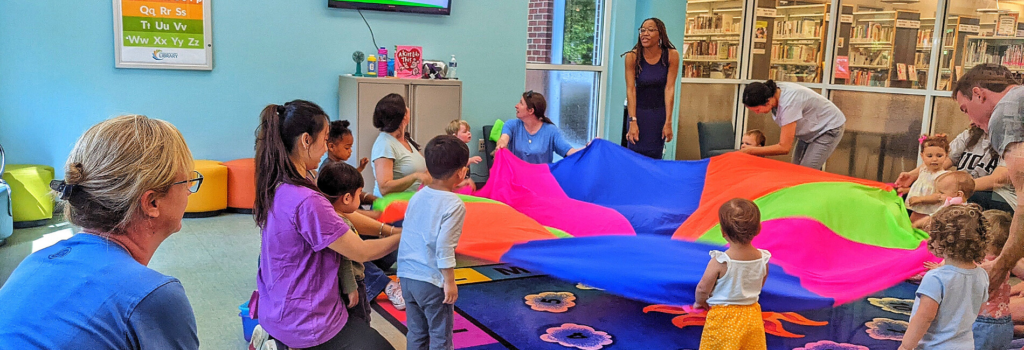
For culture to truly become part of everyday living, access matters. Libraries, public schools, community centers, and local nonprofits play a critical role in making cultural resources available regardless of income.
Many communities are expanding access through:
- Free public programming
- Outdoor cultural events
- Digital archives and virtual exhibits
- Partnerships with local artists and educators
Sustainable cultural living depends on participation, not consumption. The goal isn’t to “do culture” correctly—it’s to engage consistently and respectfully.
Common Questions Americans Ask About Everyday Cultural Living
How can culture fit into a busy lifestyle?
By integrating small, repeatable practices like music, food traditions, or community events rather than large commitments.
Is cultural engagement only for urban areas?
No. Rural communities often have strong cultural traditions rooted in local history, crafts, and seasonal practices.
Does cultural participation really improve well-being?
Yes. Research links cultural engagement with lower stress, improved mood, and stronger social bonds.
How can families introduce culture to children naturally?
Through storytelling, shared meals, local events, and involving children in traditions rather than formal instruction.
Is it possible to engage respectfully with cultures outside your own?
Yes, by listening, learning, supporting local voices, and avoiding appropriation.
Do digital cultural experiences count?
They can, especially when they encourage learning and connection, though in-person experiences often deepen impact.
How does culture strengthen communities?
It builds shared identity, trust, and participation, which are essential for resilient communities.
Is cultural living expensive?
Not necessarily. Many meaningful cultural experiences are free or low-cost through public institutions and community groups.
Can culture coexist with modern, fast-paced life?
It already does. Culture adapts to modern rhythms and often provides balance within them.
Living With Culture, Not Around It
When culture becomes part of everyday living, life feels more grounded and connected. It shifts attention from constant acquisition to shared meaning. Over time, these daily cultural moments—small and imperfect—shape stronger individuals and healthier communities. Culture doesn’t ask for more time; it asks for presence.
Key Reflections to Carry Forward
- Culture thrives when practiced daily, not saved for special occasions
- Shared traditions strengthen social connection and resilience
- Cultural engagement supports mental well-being and identity
- Everyday participation sustains communities and local economies