
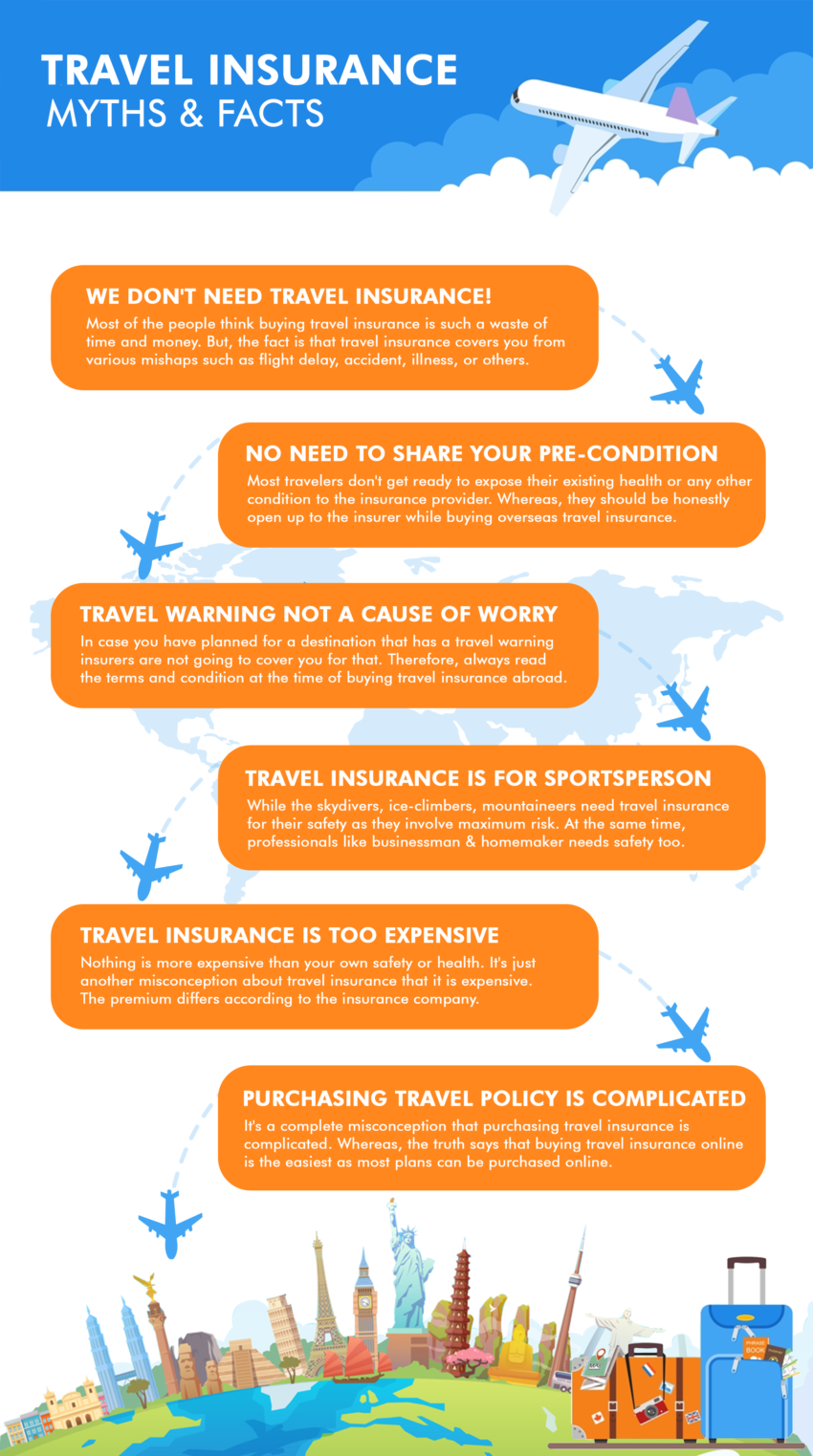
Travel insurance helps protect travelers from financial loss due to trip cancellations, medical emergencies, delays, and unexpected disruptions. While coverage varies by policy, understanding what is—and isn’t—included can prevent costly surprises. For many Americans, especially those traveling internationally or investing heavily in a trip, travel insurance offers financial stability and logistical support when plans change.
Why Travel Insurance Is Getting More Attention
Over the past several years, unpredictable weather events, airline disruptions, and global health concerns have made travelers more aware of risk. According to the U.S. Travel Insurance Association (USTIA), Americans spend billions annually on travel protection products, with trip cancellation and medical coverage being the most common reasons for purchase.
For many U.S. travelers, the question is no longer “Should I buy travel insurance?” but rather, “What does it actually cover—and is it worth it for my trip?”
The answer depends heavily on the type of trip, total investment, destination, and personal risk tolerance. Travel insurance is not a one-size-fits-all product. Understanding its structure is essential.
What Travel Insurance Typically Covers
Most comprehensive travel insurance plans include several core protections. While policy details vary, these are the components travelers most frequently rely on.
1. Trip Cancellation Coverage
Trip cancellation reimburses prepaid, non-refundable expenses if you must cancel before departure for a covered reason.
Common covered reasons include:
- Illness or injury to you or a family member
- Severe weather preventing travel
- Jury duty or legal obligations
- Job loss (in certain circumstances)
For example, if you prepaid $4,000 for a European tour and must cancel due to a documented medical emergency, this coverage may reimburse those expenses—provided the reason qualifies under policy terms.
It’s important to understand that fear of travel, changing your mind, or general inconvenience is not covered under standard policies.
2. Trip Interruption Coverage
If your trip is cut short after departure due to a covered event, trip interruption coverage reimburses unused, prepaid portions of the trip and may cover additional transportation costs to return home.
Imagine flying to Italy for a 10-day trip and needing to return early because of a family medical emergency. Trip interruption may reimburse unused hotel nights and change fees.
3. Emergency Medical Coverage
Many Americans assume their domestic health insurance covers them abroad. In reality, Medicare generally does not provide coverage outside the United States, and many private plans offer limited or no international benefits.
Emergency medical travel insurance can cover:
- Hospitalization
- Physician services
- Prescription medication
- Ambulance transport
Medical evacuation coverage—often included or offered as an add-on—can be especially important. According to the U.S. Department of State, emergency evacuation from a remote location can cost tens of thousands of dollars.
4. Travel Delay and Missed Connection
Airline disruptions remain common. The U.S. Department of Transportation regularly reports flight delays and cancellations, especially during severe weather seasons.
Travel delay coverage may reimburse:
- Hotel accommodations
- Meals
- Essential toiletries
- Rebooking costs
If a missed connection causes you to lose a prepaid cruise departure, some policies may reimburse transportation to the next port.
5. Baggage Loss and Personal Property
Baggage coverage typically compensates for lost, stolen, or damaged luggage, though limits apply. Most policies cap high-value items like electronics or jewelry.
Travelers should note that airlines are also liable for certain baggage losses under federal regulations, but reimbursement can be limited and time-consuming.
What Travel Insurance Does Not Typically Cover
Understanding exclusions is just as important as understanding benefits.
Most standard policies do not cover:
- Pre-existing medical conditions (unless waived under specific conditions)
- Canceling because you changed your mind
- Travel to destinations under government travel advisories (depending on timing)
- Risky adventure sports without riders
- Known events (e.g., a hurricane already named before policy purchase)
This is where careful timing matters. Purchasing insurance shortly after booking your trip may unlock certain protections, such as pre-existing condition waivers.
“Cancel for Any Reason” (CFAR): What It Really Means
Some policies offer optional “Cancel for Any Reason” coverage. While the name sounds comprehensive, it typically reimburses only 50–75% of prepaid costs and must be purchased within a limited window after your initial trip deposit.
CFAR is not automatically included. It’s an upgrade that increases policy cost significantly.
For travelers booking high-cost, long-haul trips—such as African safaris or multi-country European tours—it may provide additional flexibility.
When Travel Insurance Makes the Most Sense
Not every weekend getaway requires insurance. However, coverage becomes more relevant under certain conditions.
Consider purchasing travel insurance if:
- You’re traveling internationally
- You’re investing more than $3,000–$5,000 in non-refundable costs
- You’re cruising
- You’re visiting remote areas
- You have complex connecting flights
- You’re traveling during hurricane or winter storm season
Short domestic trips with refundable hotel bookings may not require the same level of protection.
Real-World Example: Comparing Two Trips
Trip A:
A $600 domestic flight to visit family with refundable lodging. Risk exposure is relatively low.
Trip B:
A $7,500 prepaid international itinerary with non-refundable tours, internal flights, and cruise segments.
The financial risk profile is dramatically different. Travel insurance becomes proportionally more valuable as prepaid exposure increases.
How Much Does Travel Insurance Cost?
On average, comprehensive travel insurance costs between 4% and 8% of total trip expenses, according to industry data. Factors influencing price include:
- Traveler age
- Trip length
- Destination
- Total prepaid cost
- Coverage limits selected
Medical-only policies for international travel can cost significantly less than full trip-protection plans.
How to Choose the Right Policy
Experienced travelers compare more than just price.
Look carefully at:
- Medical coverage limits (at least $100,000 for international travel is common guidance)
- Medical evacuation limits ($250,000+ recommended for remote travel)
- Deductibles
- Covered cancellation reasons
- Claim filing process
- 24/7 assistance services
Reading the policy certificate—not just marketing summaries—is essential.
Does Travel Insurance Cover COVID or Other Illnesses?
Many insurers now treat COVID-19 like any other illness, provided it meets medical necessity criteria. However, government-imposed lockdowns or border closures may not always qualify unless specifically listed.
Policy language changes frequently, so reviewing current terms is critical.
Credit Card Travel Protections: Are They Enough?
Premium credit cards often include limited travel protections, such as trip delay or rental car coverage. However:
- Medical coverage is usually minimal or nonexistent
- Coverage limits are lower
- Benefits often require full payment with the card
Relying solely on credit card protections may leave gaps, especially for international medical emergencies.
Frequently Asked Questions
1. Is travel insurance required for international travel?
Some countries require proof of medical coverage for entry, but it’s not universally mandatory.
2. When should I buy travel insurance?
Ideally within 14–21 days of your initial trip deposit to qualify for certain waivers.
3. Does travel insurance cover hurricanes?
Yes, if the hurricane was not a named storm at the time of policy purchase.
4. Can I buy insurance after booking flights?
Yes, but benefits like pre-existing condition waivers may depend on timing.
5. Does travel insurance cover rental cars?
Some policies include limited coverage, but standalone rental insurance may be needed.
6. Are pre-existing conditions covered?
Only if specific waiver conditions are met.
7. What documents do I need for a claim?
Receipts, medical records, airline confirmations, and proof of loss.
8. Does it cover lost passports?
Assistance services help replace documents, but reimbursement varies.
9. Is annual travel insurance worth it?
Frequent travelers may find multi-trip policies cost-effective.
10. Can I cancel my policy?
Most insurers offer a free-look period (typically 10–15 days).
Understanding Risk Before You Book
Travel insurance is not about expecting the worst—it’s about understanding financial exposure. For domestic weekend trips with minimal prepaid costs, insurance may be unnecessary. But for high-value international journeys, remote adventures, or cruise itineraries, it can serve as a financial safeguard.
The most common regret among travelers isn’t buying the wrong policy—it’s misunderstanding what they purchased.
Before You Click “Confirm”
Travel insurance works best when aligned with realistic risk assessment. Review your destination, health coverage limitations, trip investment, and flexibility needs. Read policy language carefully. Ask questions before purchasing. Thoughtful preparation transforms insurance from an afterthought into a strategic decision.
Key Coverage Insights to Remember
- Trip cancellation protects non-refundable expenses
- Medical coverage abroad is often essential
- Evacuation costs can be substantial
- “Cancel for Any Reason” reimburses partially
- Timing affects eligibility for waivers
- Credit card coverage may be limited
- Policies vary widely—compare details carefully
- Understand exclusions before purchasing
- Documentation is required for claims
- Insurance value increases with trip cost