

Summary
Sustainable living outside social media is quieter, more practical, and shaped by everyday tradeoffs rather than aesthetic trends. This article explains how Americans practice sustainability at home, work, and in their communities—focusing on affordability, convenience, and long-term habits. It offers real-world examples, data-backed context, and guidance grounded in daily life, not online performance.
Sustainable living has become highly visible online—often framed through perfectly styled kitchens, minimalist wardrobes, and zero-waste jars lined up on reclaimed wood shelves. But in real life, sustainability looks far less curated. It’s shaped by budgets, time constraints, family needs, housing limitations, and regional realities across the United States.
Away from social media, sustainable living is less about personal branding and more about making incremental, practical decisions that reduce waste, conserve resources, and improve long-term quality of life. For most Americans, it isn’t an identity—it’s a set of choices folded into everyday routines.
Sustainability as a Series of Tradeoffs, Not a Lifestyle Aesthetic
Offline, sustainability rarely appears as a complete overhaul. Instead, it shows up in tradeoffs: driving a fuel-efficient car rather than giving up driving entirely, choosing LED bulbs over a full home solar installation, or cooking at home more often without eliminating takeout.
Research from the Pew Research Center shows that while a majority of Americans care about environmental protection, fewer are willing—or able—to make drastic lifestyle changes that increase cost or reduce convenience. This gap explains why real-world sustainability tends to be gradual and pragmatic.
For many households, sustainability means:
- Replacing items only when they wear out
- Choosing durable products over disposable ones
- Reducing energy use quietly, without fanfare
These actions may not photograph well, but they add up over time.

What Sustainable Living Looks Like at Home
In American homes, sustainability often begins with utility bills rather than ideology. Rising energy and water costs have pushed many households to adopt efficiency measures for financial reasons first.
Common examples include:
- Installing smart thermostats to reduce heating and cooling costs
- Washing clothes in cold water and line-drying when possible
- Sealing windows and doors to improve insulation
- Switching to Energy Star–rated appliances during replacements
According to the U.S. Department of Energy, households can reduce energy consumption by 10–30% through efficiency upgrades and behavioral changes alone. These improvements don’t require lifestyle rebranding—just consistency.
Sustainable homes also tend to prioritize longevity. Furniture is repaired rather than replaced. Renovations focus on durability instead of trend-driven design. The result is a quieter, more resilient approach to consumption.
Transportation Choices Rooted in Practicality
Online discussions often frame sustainable transportation as an all-or-nothing choice. In reality, Americans blend options based on geography and necessity.
Outside major cities, driving remains essential. Sustainable living here may involve:
- Carpooling for work or school activities
- Combining errands into fewer trips
- Choosing vehicles with better fuel efficiency
- Maintaining cars properly to extend lifespan
In urban and suburban areas, sustainability might mean using public transit a few days a week, biking locally, or working remotely part-time. The Bureau of Transportation Statistics reports that even modest reductions in vehicle miles traveled can significantly lower household emissions.
The key difference offline is flexibility. Sustainable transportation adapts to life—it doesn’t demand perfection.
Food Choices Beyond Trend-Based Eating
Food is one of the most visible sustainability topics online, yet real-world eating habits are shaped by access, affordability, and culture. Outside social media, sustainable eating rarely means strict adherence to labels like “zero-waste” or “plant-only.”
Instead, it looks like:
- Cooking more meals at home
- Reducing food waste through better planning
- Buying seasonal produce when available
- Freezing leftovers instead of discarding them
The USDA estimates that Americans waste about 30–40% of the food supply. Households that focus on waste reduction—rather than idealized diets—often achieve the greatest environmental benefit.
Sustainability here is less about perfection and more about awareness.
Work, Consumption, and Quiet Sustainability
Sustainable living extends into work and consumption patterns, though these changes are often invisible. Many Americans practice sustainability by simply buying less and using what they already own.
This includes:
- Delaying upgrades to phones and electronics
- Repairing appliances instead of replacing them
- Choosing quality clothing over fast fashion
- Using libraries, tool-sharing programs, or resale platforms
A report from the Environmental Protection Agency highlights that waste prevention—reducing consumption at the source—has a greater environmental impact than recycling alone. Yet this form of sustainability rarely generates online attention because it lacks novelty.
Community-Level Sustainability in Everyday Life
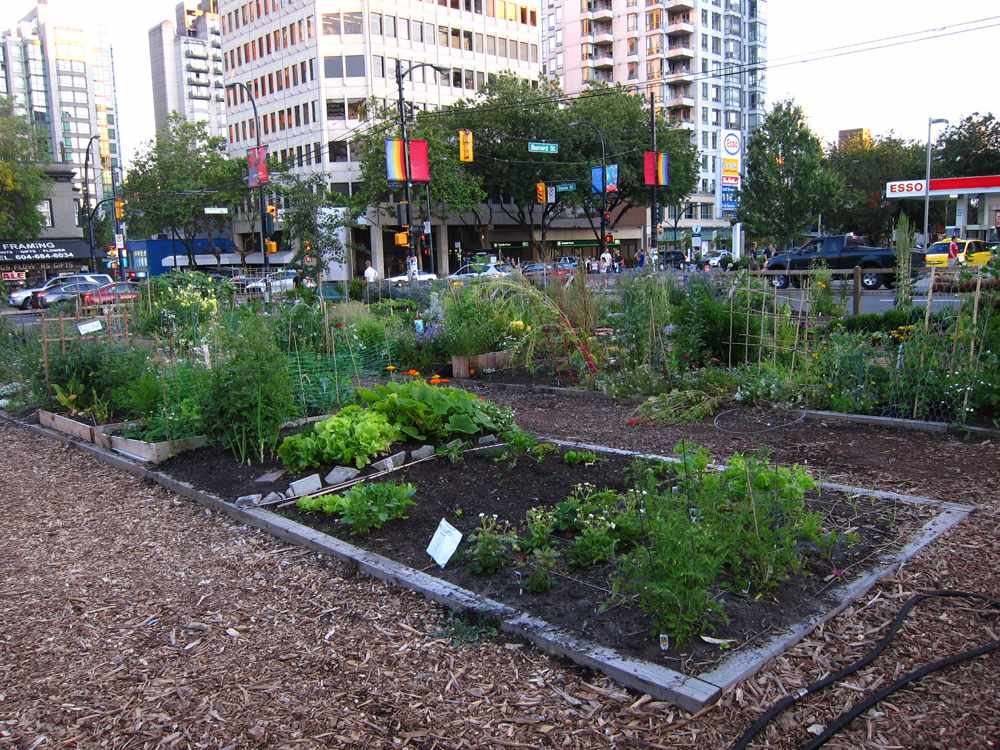
Offline sustainability is frequently collective. Community gardens, neighborhood compost programs, and local repair events don’t generate viral content, but they create measurable impact.
Examples include:
- Shared childcare and carpool networks
- Local farmers markets supporting regional agriculture
- Community energy cooperatives
- Volunteer-led cleanups and conservation efforts
These initiatives succeed because they reduce individual burden and build shared responsibility. Sustainable living here becomes social infrastructure, not personal performance.
Why Sustainable Living Offline Feels Less Visible—but More Durable
Social media rewards clarity, speed, and visual storytelling. Real-world sustainability is slower, messier, and harder to package. It unfolds over years, not posts.
Offline sustainability tends to be:
- Habit-based rather than goal-based
- Cost-aware rather than aspirational
- Integrated into daily life rather than set apart
Because it’s rooted in systems—housing, transportation, food access—it often lasts longer than trend-driven behaviors. The absence of online validation doesn’t diminish its value; it strengthens it.
How Americans Can Build Sustainable Habits Without Burnout
One of the most common reasons people abandon sustainability efforts is fatigue. Offline approaches avoid burnout by focusing on what’s manageable.
Effective strategies include:
- Starting with one area (energy, food, or transportation)
- Measuring progress financially rather than morally
- Accepting tradeoffs instead of aiming for purity
- Revisiting habits annually rather than constantly optimizing
Sustainability becomes sustainable when it fits real life.

Frequently Asked Questions
Is sustainable living expensive in the U.S.?
Not necessarily. Many sustainable choices—like reducing energy use or minimizing waste—save money over time.
Do small actions actually make a difference?
Yes. When adopted consistently across households, small changes create measurable environmental and economic impact.
Is recycling the most important sustainable habit?
Recycling helps, but reducing consumption and reusing items typically has a greater effect.
Can renters practice sustainable living effectively?
Absolutely. Energy habits, food waste reduction, and transportation choices matter regardless of housing ownership.
Is sustainable living realistic for families?
Yes. Many families practice sustainability through budgeting, shared resources, and efficient routines.
Does sustainable living require major lifestyle changes?
No. Most real-world sustainability comes from incremental adjustments rather than complete overhauls.
How do I avoid sustainability burnout?
Focus on habits that fit your life and revisit goals periodically instead of constantly optimizing.
Is sustainable living the same everywhere in the U.S.?
No. Geography, climate, and infrastructure shape what sustainability looks like locally.
How can I tell if my efforts are working?
Track utility bills, waste output, and spending patterns over time.
Where Sustainability Quietly Becomes Normal
Outside social media, sustainable living isn’t a statement—it’s a rhythm. It settles into routines, budgets, and shared expectations. It looks ordinary because it is. And that ordinariness is precisely what allows it to last, scale, and matter.
A Grounded Snapshot of Real-World Sustainability
- Sustainability offline is practical, incremental, and habit-driven
- Cost savings often motivate long-term adoption
- Community systems amplify individual efforts
- Durability matters more than visibility