

Summary
Short-term fame captures attention; sustainable influence earns trust over time. This article explains why visibility alone fades while credibility, consistency, and value creation endure. Drawing from business leaders, celebrities, and data-backed research, it outlines the behaviors, structures, and decisions that turn momentary attention into long-lasting relevance in American media, culture, and commerce.
The Difference Between Being Known and Being Trusted
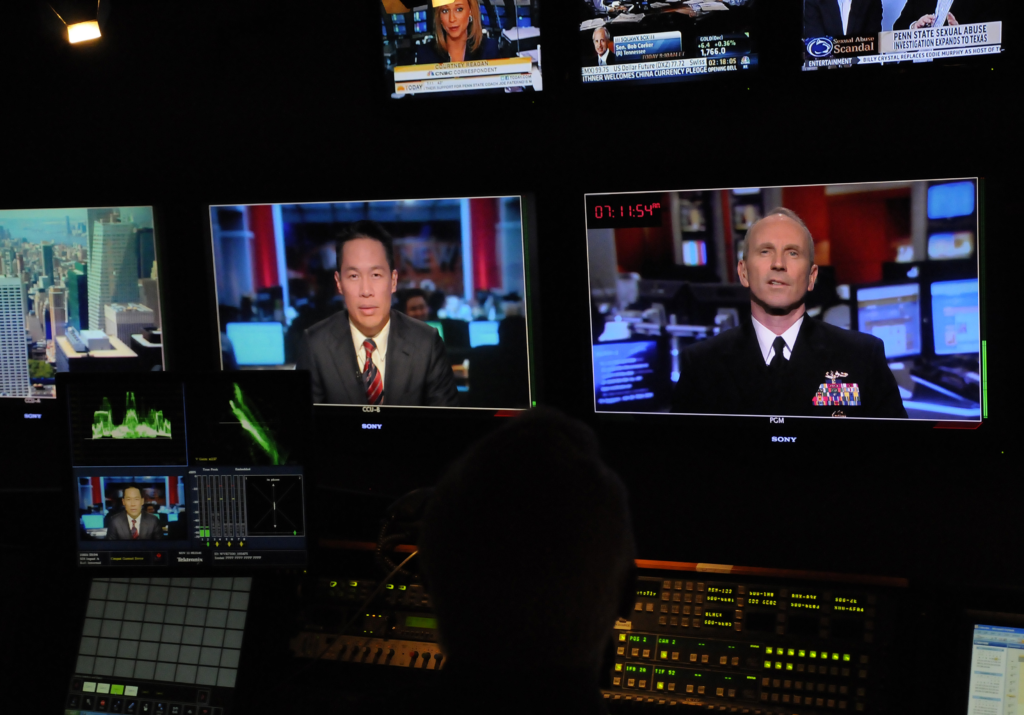
In today’s attention economy, fame can arrive quickly. A viral video, breakout role, bestselling product launch, or controversial moment can elevate someone into the national conversation almost overnight. In the U.S., where media reach is vast and amplification is constant, recognition is easier to achieve than ever before.
Influence, however, operates on a different timeline.
Short-term fame is primarily driven by visibility. Sustainable influence is driven by credibility. Visibility answers who people notice. Credibility answers who people believe, follow, and return to.
This distinction explains why some public figures disappear within a few years, while others remain culturally and economically relevant for decades. Influence compounds slowly, often invisibly, through repeated evidence of judgment, values, and usefulness.
Why Short-Term Fame Is Easier Than Ever—and More Fragile Than Before
Digital platforms reward immediacy. Algorithms prioritize engagement spikes, novelty, and emotional reaction. As a result, many individuals achieve prominence before they’ve developed the skills, systems, or resilience required to sustain it.
Research from the Pew Research Center consistently shows that public trust in institutions and figures is fragile and easily lost. Americans may be curious quickly, but they are skeptical by default. Without follow-through, early attention becomes fleeting.
Short-term fame often depends on:
- A single moment or trend
- External validation (views, likes, headlines)
- Borrowed platforms rather than owned credibility
- Reactive decision-making
These conditions create volatility. When attention moves on—as it inevitably does—there is nothing anchoring relevance.

Sustainable Influence Is Built, Not Captured
Influence grows when people repeatedly benefit from someone’s presence, perspective, or leadership. It does not rely on constant visibility. Instead, it depends on cumulative trust.
In professional media and business environments, sustainable influence typically rests on three pillars:
Consistency over time
Audiences and stakeholders learn what to expect. This predictability reduces perceived risk.
Demonstrated competence
Whether creative, strategic, or operational, skill must be visible through results—not self-promotion.
Values alignment
People follow leaders and public figures who reflect principles they respect, especially during uncertainty.
This explains why many U.S. business leaders with relatively low public profiles wield more long-term influence than viral personalities with massive followings.
The Role of Reputation in Long-Term Relevance
Reputation functions as a form of stored trust. According to Harvard Business School research, strong reputations lower transaction costs, increase forgiveness during mistakes, and attract higher-quality opportunities.
Short-term fame often overlooks this dynamic. It optimizes for exposure, not durability.
Sustainable influence, by contrast, treats reputation as a strategic asset:
- Decisions are evaluated for long-term impact
- Public statements are measured, not impulsive
- Partnerships are chosen selectively
- Mistakes are acknowledged and corrected transparently
In the U.S. media environment, where past actions are easily searchable and endlessly resurfaced, reputation compounds in both directions.
Why Some Celebrities Transition Into Influence—and Others Don’t
The American public has seen countless entertainers attempt to convert fame into business, leadership, or advocacy roles. Results vary dramatically.
Those who succeed tend to:
- Invest time learning outside their original domain
- Build teams with independent expertise
- Accept a slower path to credibility
- Allow their work to speak before their brand
Those who fail often assume attention alone equals authority. When their credibility is questioned, they respond defensively rather than substantively, accelerating decline.
Sustainable influence requires humility—the willingness to be new again, even while famous.
Business Leaders Face the Same Test, Just With Different Visibility
In business, short-term fame can come from a funding announcement, aggressive marketing, or a viral LinkedIn post. Sustainable influence comes from execution through cycles.
Studies from McKinsey & Company show that companies led by long-tenured, trust-oriented leadership outperform peers over time, even if they attract less media attention initially.
Leaders who endure tend to:
- Communicate clearly but sparingly
- Focus on fundamentals during hype cycles
- Build institutional strength beyond themselves
- Avoid tying identity solely to quarterly wins
Influence grows when leadership remains steady under pressure—not when it chases applause.
The American Audience Is Especially Sensitive to Authenticity
U.S. audiences value transparency, but they are quick to detect performance masquerading as principle. Edelman’s Trust Barometer consistently finds that Americans expect leaders and public figures to “do what is right,” not merely say it.
This has real implications:
- Over-polished messaging reduces trust
- Values signaling without action invites backlash
- Silence during critical moments can damage credibility
- Overexposure leads to fatigue
Sustainable influence respects the audience’s intelligence. It assumes scrutiny and plans accordingly.
Structural Differences Between Fame and Influence
Short-term fame often lacks infrastructure. Sustainable influence is supported by systems.
Key structural differences include:
- Ownership: Influencers own platforms; famous figures often rent attention
- Governance: Influential leaders build checks around decision-making
- Succession: Sustainable influence outlives individual relevance
- Adaptability: Influence evolves without losing identity
These structures allow relevance to persist even as trends shift.
Questions Americans Are Actively Asking
People searching for insight on influence tend to ask practical, experience-driven questions:
- Why do some public figures stay relevant for decades?
- How can leaders maintain trust in polarized environments?
- Is authenticity more important than visibility?
- Can influence be rebuilt after a mistake?
- How does long-term credibility affect business outcomes?
The common thread is not fame, but reliability.
What Endurance Looks Like in Practice
Sustainable influence rarely feels dramatic in real time. It looks like:
- Showing up consistently without chasing attention
- Making fewer promises and keeping more of them
- Letting others take credit
- Being willing to be misunderstood temporarily
- Choosing restraint over reaction
In the U.S., where media cycles are fast and unforgiving, restraint itself becomes a differentiator.
Frequently Asked Questions
1. Is fame necessary to build influence?
No. Influence can grow without fame, but fame without credibility rarely lasts.
2. Can short-term fame turn into sustainable influence?
Yes, but only with deliberate investment in skill, trust, and long-term value.
3. Why does influence matter more than popularity?
Influence shapes decisions, behaviors, and outcomes; popularity measures attention, not impact.
4. How long does it take to build sustainable influence?
Typically years, not months. Time is a core component of trust.
5. Can influence survive public mistakes?
Yes, if accountability and corrective action follow quickly and sincerely.
6. Do social media followers equal influence?
Not necessarily. Engagement quality matters more than scale.
7. Why do Americans distrust overly polished figures?
Because polish without substance often signals image management rather than integrity.
8. Can businesses lose influence even if profits grow?
Yes. Short-term financial success does not guarantee long-term trust.
9. Is influence transferable across industries?
Only partially. Credibility must often be re-earned in new domains.
The Quiet Power of Staying Useful
Sustainable influence is not about being everywhere. It is about being useful where it matters most. In a culture saturated with noise, those who consistently contribute clarity, judgment, and reliability become anchors.
Short-term fame burns bright and fast. Influence moves slowly, but it lasts—because it is earned, not granted.
Signals That Separate Attention From Impact
- Sustainable influence compounds; fame resets
- Trust grows through consistency, not visibility
- Credibility outperforms charisma over time
- Restraint strengthens authority
- Long-term relevance favors builders, not performers