
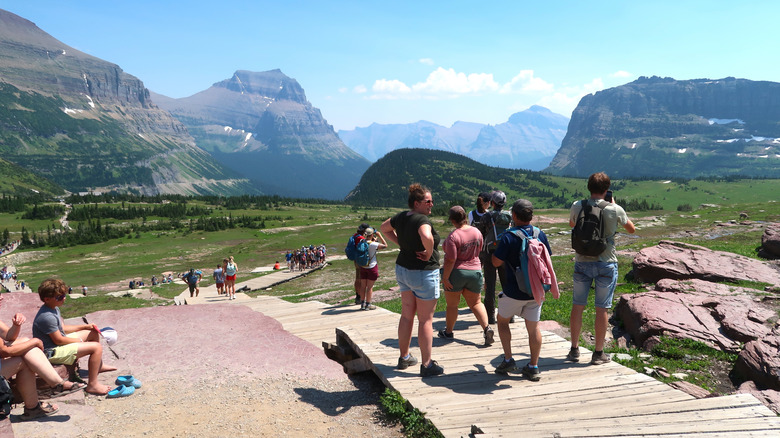
Peak-season travel in the United States brings higher prices, longer lines, and limited availability—but experienced travelers use timing, geography, data, and planning tools to avoid the worst congestion. By adjusting when and where they go, leveraging reservation systems, and understanding crowd patterns at national parks, cities, and theme parks, travelers can significantly reduce stress without sacrificing experience.
Why Are Popular U.S. Destinations So Crowded During Peak Season?
Peak-season congestion in the United States follows predictable patterns. School calendars, summer weather, holiday weekends, and major events concentrate millions of travelers into narrow windows. According to the U.S. Travel Association, domestic leisure travel consistently peaks between late May and early August, with secondary spikes around Thanksgiving and late December.
National parks illustrate the scale of demand. The National Park Service reported over 325 million recreation visits in recent years, with a disproportionate share occurring between June and September. Parks such as Yellowstone National Park and Yosemite National Park can see daily visitation multiply several times over compared to winter months.
Crowds aren’t limited to parks. Beach towns, coastal highways, theme parks, and major cities follow similar cycles. Understanding those cycles—and how to work around them—is what separates seasoned travelers from overwhelmed ones.
What Is the Best Time to Travel to Avoid Crowds?
Experienced travelers focus less on absolute off-season and more on “shoulder season”—the transitional periods just before and after peak demand.
For many U.S. destinations:
- Late April to early June (before school breaks)
- September through mid-October (after summer vacations)
- Early December (before holiday travel spikes)
- January through early March (excluding ski destinations and holiday weekends)
For example, visiting Charleston in late September offers warm weather and thinner crowds compared to spring festival season. Similarly, San Diego remains pleasant in October, long after peak summer tourism.
Shoulder-season travel often provides:
- Lower hotel rates
- Greater restaurant availability
- Easier museum entry
- Less traffic congestion
It requires flexibility—but the payoff is measurable.
How Do Seasoned Travelers Handle National Parks?
National parks require special strategy. High-demand parks increasingly use timed-entry systems. Rocky Mountain National Park and Arches National Park have implemented reservation requirements during peak months.
Experienced visitors:
- Enter parks at or before sunrise
- Visit midweek instead of weekends
- Explore lesser-known trails beyond marquee attractions
- Stay just outside park boundaries for earlier access
- Monitor official park alerts regularly
For instance, sunrise at Yosemite’s Tunnel View often provides both clearer views and smaller crowds compared to mid-morning arrival.
Data from the National Park Service shows that early entry hours consistently experience lower visitation density. Arriving even one hour earlier can change the entire experience.
Can You Avoid Crowds in Major Cities?
Yes—but it requires micro-timing.
In New York City, visiting popular landmarks like the Statue of Liberty on the first ferry of the day dramatically reduces wait times. In Washington, arriving at Smithsonian museums when doors open avoids peak midday tour groups.
Seasoned urban travelers also:
- Book museum tickets with timed entry
- Dine earlier (5:00–6:00 p.m.) or later (after 8:00 p.m.)
- Visit attractions on weekdays
- Use neighborhood alternatives instead of central hotspots
For example, instead of staying near Times Square, many travelers base themselves in quieter neighborhoods like the Upper West Side or Brooklyn Heights, commuting strategically during off-peak subway hours.
How Far in Advance Should You Book?
Timing reservations properly reduces both cost and stress.
According to travel industry reporting and airline analytics, domestic airfare often trends lowest one to three months before departure for non-holiday periods. For peak holidays, booking three to six months in advance increases options.
Seasoned travelers balance early booking with flexibility. They:
- Monitor fare alerts
- Book refundable rates when possible
- Avoid major holiday departure days (e.g., Wednesday before Thanksgiving)
- Travel on Tuesdays or Wednesdays when feasible
Hotel occupancy data from STR (a hospitality analytics firm) shows that midweek occupancy rates are often lower in leisure destinations, offering better value and availability.
Are There Less Crowded Alternatives to Popular Destinations?
Experienced travelers rarely eliminate a region—they shift within it.
Instead of:
- Orlando in July → consider coastal Florida towns or late August visits
- Grand Canyon South Rim at midday → visit North Rim or arrive before 8 a.m.
- Boston during marathon weekend → explore nearby Salem or Portsmouth
Geographic flexibility allows travelers to maintain the experience while reducing congestion.
What Role Does Technology Play?
Seasoned travelers use data.
They check:
- Real-time crowd tracking apps
- Google “Popular Times” graphs
- State DOT traffic cameras
- Weather trend forecasts
- Park service reservation systems
Airports also publish peak travel advisories. The Transportation Security Administration regularly reports record screening numbers during summer weekends and holidays, helping travelers anticipate busy periods.
Technology doesn’t eliminate crowds—but it makes them predictable.
Does Traveling at Unconventional Hours Help?
Yes. Arrival timing is often more important than destination choice.
Consider:
- Beach visits before 9 a.m.
- Theme park rope-drop entry
- Road trips departing before 7 a.m.
- Visiting scenic overlooks near sunset rather than midday
Traffic analytics consistently show that urban congestion peaks between 3:30 p.m. and 6:30 p.m. Avoiding those windows can significantly shorten drive times.
What About Theme Parks?
Theme parks amplify crowd intensity due to limited space and high demand.
At major parks, experienced visitors:
- Purchase timed-entry passes where available
- Prioritize high-demand attractions immediately at opening
- Schedule indoor attractions during peak afternoon heat
- Take midday breaks outside the park
Crowd calendars published by industry analysts often show measurable differences between weeks within the same month.
How Do You Travel During Holidays Without Stress?
Holiday travel requires planning depth.
Travelers who successfully navigate peak holidays typically:
- Depart two days before or after major travel spikes
- Use smaller regional airports when possible
- Avoid connecting flights during winter weather
- Build buffer days into itineraries
Airline performance reports indicate higher delay rates during winter storms and summer thunderstorms. Building flexibility into travel days protects the broader itinerary.
Frequently Asked Questions
1. What month has the fewest travel crowds in the U.S.?
January and February (excluding ski areas and holiday weekends) typically see lower visitation across many destinations.
2. Is shoulder season really cheaper?
Often, yes. Lower demand frequently translates into better hotel rates and airfare availability.
3. What time of day is best to visit national parks?
Early morning—ideally at or before sunrise—offers the lowest congestion.
4. Are weekdays less crowded than weekends?
Almost always, especially in leisure-heavy destinations.
5. How far in advance should I book summer travel?
Three to six months ahead increases availability and pricing flexibility.
6. Do crowd-tracking apps work?
They are helpful indicators but should be paired with official park or attraction information.
7. Is it worth visiting popular destinations in winter?
Yes, if weather conditions are acceptable. Many iconic sites are significantly quieter.
8. Are small airports better during peak season?
They can reduce congestion but may have limited flight options.
9. Can I avoid crowds entirely at famous landmarks?
Rarely—but strategic timing can reduce exposure dramatically.
10. Does traveling midweek make a difference?
Yes. Tuesdays and Wednesdays typically experience lighter travel volume.
Timing, Not Luck: The Discipline Behind Crowd-Free Travel
Avoiding peak-season stress is less about secret destinations and more about disciplined planning. Experienced travelers treat timing as a primary variable, not an afterthought. They study visitation patterns, adjust arrival hours, and remain flexible about geography. The result is not just fewer crowds—but a calmer, more deliberate travel experience.
Crowds are predictable. With preparation, so is avoiding them.
Smart Traveler Snapshot
Flexibility within a region expands options
Shoulder seasons consistently offer balance between weather and crowd levels
Early mornings significantly reduce congestion
Midweek departures improve pricing and availability
Technology provides real-time crowd insights