

Summary
Research shows that an eco-friendly lifestyle offers measurable benefits for health, finances, communities, and the environment. From lower household costs to improved well-being and resilience, sustainable choices increasingly align with everyday American life. This article explores evidence-based advantages, practical examples, and what science reveals about living more sustainably.
Introduction: Sustainability Beyond Ideals
An eco-friendly lifestyle is often framed as a moral choice or environmental statement. Research, however, paints a broader picture. Studies across public health, economics, urban planning, and environmental science show that sustainable living can directly improve quality of life—sometimes in ways people don’t expect.
In the U.S., where daily routines are shaped by convenience, cost, and time, sustainability works best when it integrates naturally into real life. The strongest research doesn’t suggest radical overhauls; it highlights cumulative, practical changes that benefit individuals and communities while reducing environmental strain.
What Does an Eco-Friendly Lifestyle Mean in Practical Terms?
At its core, an eco-friendly lifestyle focuses on reducing unnecessary resource use while supporting long-term well-being. In practice, this usually includes:
- Using energy more efficiently at home
- Choosing transportation with lower emissions when feasible
- Reducing food waste and prioritizing whole foods
- Buying fewer, longer-lasting products
- Being mindful of water use
Research shows that people who adopt these habits tend to do so incrementally, not all at once—and the benefits often extend beyond environmental outcomes.
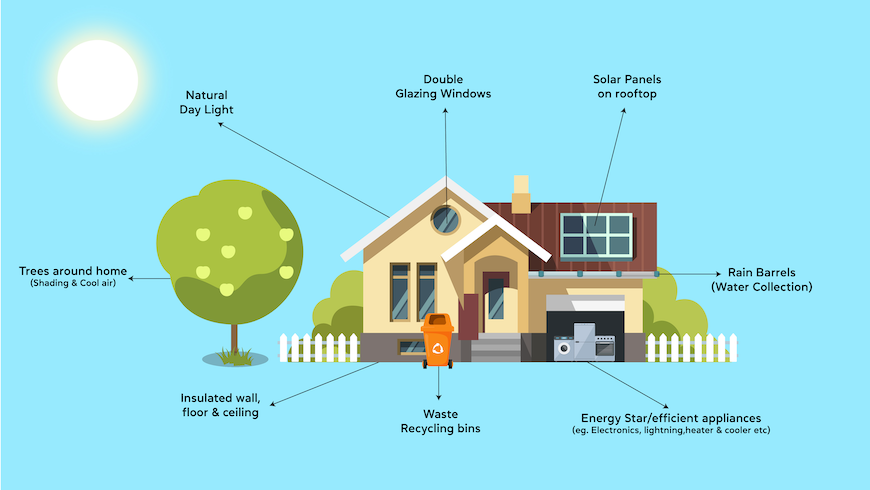
Health Benefits Supported by Research
Cleaner Air, Better Health Outcomes
Air quality is one of the most studied links between sustainability and health. According to the U.S. Environmental Protection Agency, reducing fossil fuel use lowers levels of fine particulate matter, which is associated with asthma, cardiovascular disease, and premature death.
Households that rely more on energy efficiency and cleaner transportation contribute to:
- Reduced local air pollution
- Lower respiratory risks, especially for children and older adults
- Improved overall community health indicators
Even small reductions in vehicle emissions have been linked to measurable public health improvements in urban and suburban areas.
Diet, Sustainability, and Long-Term Wellness
Research from institutions such as the Harvard T.H. Chan School of Public Health shows that diets emphasizing plant-forward foods—often a core part of eco-friendly living—are associated with lower risks of heart disease, Type 2 diabetes, and certain cancers.
These benefits stem from:
- Higher fiber intake
- Lower consumption of processed foods
- Reduced reliance on resource-intensive animal products
Notably, the research emphasizes balance rather than elimination. Sustainable diets that are flexible tend to be more realistic and more effective over time.
Financial Advantages of Sustainable Living
Lower Household Energy Costs
One of the most immediate benefits Americans notice is cost savings. Data from the U.S. Department of Energy indicates that energy-efficient upgrades—such as LED lighting, smart thermostats, and proper insulation—can reduce household energy bills by 10–30%.
These savings compound over time, particularly as energy prices fluctuate.
Spending Less by Buying More Intentionally
Sustainable living often involves buying fewer items but choosing higher quality. Research in consumer behavior shows that households practicing mindful consumption tend to:
- Replace items less frequently
- Spend less on impulse purchases
- Reduce waste-related costs
This approach aligns closely with long-term financial stability rather than short-term frugality.

Environmental Impact That Adds Up at Scale
The Power of Collective Small Changes
While individual actions alone don’t solve climate challenges, research consistently shows that collective behavior matters. Studies published in journals like Nature Climate Change demonstrate that widespread adoption of efficient appliances, reduced food waste, and lower car dependency can significantly reduce national emissions.
In the U.S., food waste alone accounts for an estimated 30–40% of the food supply, according to the U.S. Department of Agriculture. Reducing waste doesn’t require lifestyle extremes—just better planning and storage.
Mental Well-Being and Lifestyle Satisfaction
Reduced Stress Through Simplicity
Psychological research increasingly links sustainability-aligned habits with improved mental well-being. Simplified routines—fewer purchases, less clutter, and more intentional choices—are associated with:
- Lower decision fatigue
- Reduced financial stress
- Increased sense of control
Studies in environmental psychology suggest that people who feel their actions align with their values report higher life satisfaction, even when changes are modest.
Community and Social Benefits
Stronger Local Economies
Eco-friendly lifestyles often support local businesses—farmers’ markets, repair shops, and service-based economies. Research from urban development studies shows that local spending:
- Keeps more money circulating within communities
- Supports job stability
- Strengthens social ties
These effects are particularly visible in small cities and suburban areas, where local commerce plays a central role.
Addressing Common Concerns About Eco-Friendly Living
Is Sustainable Living Expensive?
Research indicates that while some sustainable products have higher upfront costs, overall household spending often decreases over time due to energy savings, reduced waste, and longer product lifespans.
Does It Require Major Lifestyle Changes?
Most evidence supports gradual adoption. People who succeed long-term tend to focus on a few high-impact habits rather than trying to change everything at once.
Real-World Examples from American Households
Across the U.S., households adopting eco-friendly habits report practical outcomes such as:
- Lower monthly utility bills after weatherization
- Improved indoor air quality from better ventilation
- Reduced grocery costs through meal planning and waste reduction
These results are consistent across income levels, especially when changes are tailored to local conditions and budgets.

Frequently Asked Questions
1. What is the most impactful eco-friendly habit to start with?
Energy efficiency improvements typically offer the fastest combined environmental and financial benefits.
2. Does eco-friendly living really improve health?
Yes. Research links cleaner air, better diets, and reduced stress to measurable health improvements.
3. Is sustainable living realistic for busy families?
Studies suggest incremental changes integrated into routines are the most sustainable.
4. Can renters benefit from eco-friendly habits?
Absolutely—energy conservation, waste reduction, and mindful consumption apply regardless of home ownership.
5. How long does it take to see financial savings?
Many households see reduced utility costs within the first year.
6. Is eco-friendly living mostly about environmental impact?
No. Research highlights health, financial, and community benefits as equally important.
7. Are individual actions meaningful at a national scale?
Collective behavior changes have been shown to significantly reduce emissions.
8. Does sustainability require giving things up?
Most research emphasizes substitution and efficiency, not deprivation.
9. How does eco-friendly living affect future generations?
Long-term studies suggest reduced environmental strain supports economic and health stability over time.
How Research Frames the Future of Everyday Living
Research increasingly positions eco-friendly living not as a niche movement, but as an evolution of modern life. As technology improves and costs fall, sustainable choices are becoming more accessible and more aligned with comfort, convenience, and economic security.
The evidence suggests that the most effective path forward isn’t perfection—it’s consistency. When sustainability fits into daily routines, its benefits multiply quietly but steadily.
Key Evidence-Backed Insights to Remember
- Eco-friendly habits often reduce costs while improving comfort
- Health benefits are closely tied to cleaner air and better diets
- Collective small changes have large cumulative impacts
- Long-term success depends on practicality, not extremes