
Summary
Sustainable eating isn’t about rigid rules or perfection. Registered dietitians emphasize practical, long-term habits that support personal health, environmental responsibility, and food access. This article explains what sustainable eating really means, clears up common misconceptions, and offers realistic guidance grounded in nutrition science, U.S. food systems, and everyday life.
Sustainable eating has become a familiar phrase in American health and wellness conversations, but it’s often misunderstood. Many people assume it means eating a strictly plant-based diet, shopping exclusively at farmers markets, or following expensive food rules that don’t fit real life. Registered dietitians (RDs), however, define sustainable eating much more broadly—and far more practically.
At its core, sustainable eating is about patterns that support long-term health, respect environmental resources, and remain realistic within people’s financial, cultural, and time constraints. It’s not a trend diet. It’s a way of thinking about food choices over time, not day to day.
This perspective matters because Americans face overlapping challenges: rising rates of diet-related chronic disease, increasing food costs, time scarcity, and growing concern about climate impact. Dietitians work at the intersection of these issues, helping people build habits that last rather than prescribing idealized food plans.
Sustainable Eating Is a Pattern, Not a Prescription
One of the first clarifications dietitians make is that sustainable eating is not a single diet or a checklist of “approved” foods. There’s no universally correct way to eat sustainably.
Instead, it’s about dietary patterns—what you eat most of the time and how those choices fit into your life. A sustainable pattern supports:
- Nutritional adequacy across the lifespan
- Environmental stewardship without extreme restrictions
- Cultural preferences and family traditions
- Financial and geographic realities
For example, a household that cooks most meals at home using affordable ingredients, includes vegetables regularly, limits food waste, and eats animal proteins in moderate portions may already be eating sustainably—even if they shop at a conventional grocery store.
Dietitians emphasize that perfectionism often leads to burnout. Sustainable habits are flexible, adaptable, and forgiving.

Health and Environmental Goals Are Connected—but Not Identical
Another misconception is that “healthy eating” and “environmentally friendly eating” always mean the same thing. While there is significant overlap, they are not interchangeable.
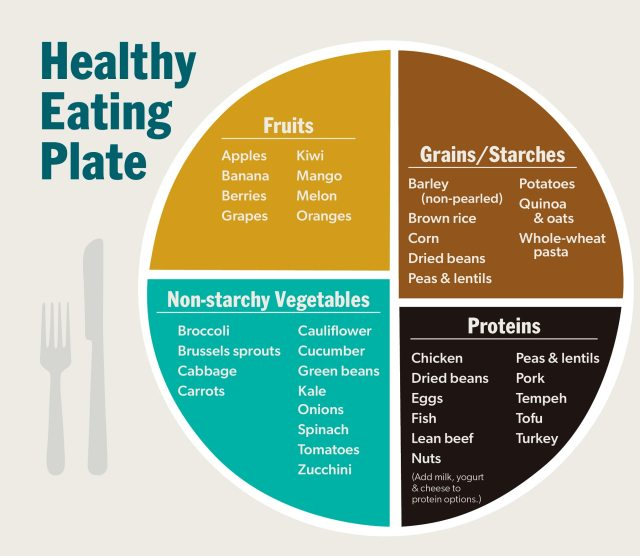
Research consistently shows that diets rich in vegetables, fruits, whole grains, legumes, nuts, and seeds are associated with better cardiometabolic health. These same foods also tend to have a lower environmental footprint compared to highly processed or resource-intensive foods. According to data summarized by the U.S. Department of Agriculture, dietary patterns emphasizing plant foods can support both health and sustainability goals when properly balanced.
However, dietitians caution against oversimplification. For example:
- Some nutrient-dense foods have higher environmental impacts but play important roles in health.
- Not all plant-based foods are equally sustainable when production methods and transportation are considered.
- Individual nutritional needs vary widely based on age, health status, and lifestyle.
Sustainable eating is about navigating these trade-offs thoughtfully, not eliminating entire food groups without reason.
Why Dietitians Don’t Recommend “All-or-Nothing” Approaches
Many people approach sustainable eating with an all-or-nothing mindset: either they follow it perfectly or not at all. Dietitians consistently push back against this framing.
Rigid food rules often increase stress, guilt, and disordered eating patterns. They also tend to fail long term. Sustainable eating, by contrast, is incremental.
Small, cumulative changes can make a meaningful difference, such as:
- Adding one or two plant-forward meals per week
- Reducing food waste through better planning
- Choosing frozen or canned produce when fresh isn’t practical
- Being mindful—not restrictive—about portion sizes
From a clinical standpoint, consistency matters more than intensity. The goal is to build habits people can maintain for years, not weeks.

Food Access and Affordability Matter More Than Ideals
Registered dietitians are acutely aware that not all Americans have the same access to food options. Geography, income, transportation, and work schedules all influence what’s possible.
According to the Centers for Disease Control and Prevention, food insecurity affects millions of U.S. households, making rigid sustainability advice unrealistic or even harmful if it ignores these realities.
Dietitians frame sustainable eating as context-dependent. For some people, sustainability might look like:
- Relying on shelf-stable foods with long storage lives
- Shopping at discount grocery stores
- Using community food programs or food banks
- Prioritizing calorie and nutrient adequacy first
Sustainability includes social sustainability—the idea that food systems should support human well-being and equity, not just environmental outcomes.
Animal Foods Can Have a Place in Sustainable Diets
A common assumption is that sustainable eating requires eliminating animal products. Dietitians generally take a more nuanced view.
While reducing excessive consumption of red and processed meats is supported by health research, moderate inclusion of animal foods can contribute valuable nutrients such as protein, iron, zinc, vitamin B12, and omega-3 fatty acids.
Sustainability-focused guidance often emphasizes:
- Portion awareness rather than elimination
- Choosing quality over quantity
- Using animal proteins as part of meals, not the centerpiece of every plate
For many Americans, this approach feels more achievable and culturally appropriate than strict exclusion.
Food Waste Reduction Is One of the Most Practical Levers
Dietitians consistently point out that reducing food waste may be one of the most accessible sustainability actions for households.
In the U.S., a significant percentage of food is wasted at the consumer level. This waste represents lost nutrients, money, labor, and environmental resources.
Practical strategies dietitians recommend include:
- Planning meals around what you already have
- Freezing leftovers or excess produce
- Understanding “best by” versus safety expiration dates
- Repurposing ingredients across multiple meals
These habits often improve budget management and nutrition quality at the same time.
Sustainable Eating Looks Different Across Life Stages
Nutritional needs change throughout life, and sustainable eating must adapt accordingly.
- Children and teens need nutrient-dense foods that support growth, often requiring more flexibility with preferences and exposure.
- Working adults benefit from convenience-focused strategies that still support health.
- Older adults may need higher protein intake and easier-to-prepare foods to maintain muscle and independence.
Dietitians emphasize that sustainability includes physical sustainability—the ability of the body to thrive over time.
What Science Actually Says About Sustainable Diets
Large-scale research, including dietary pattern studies and environmental modeling, supports the idea that diets emphasizing whole foods and moderation are both health-promoting and environmentally favorable.
However, dietitians stress that science evolves. They encourage people to focus on well-established principles rather than chasing the latest headline:
- Variety matters
- Adequacy matters
- Balance matters
- Context matters
Sustainable eating is evidence-informed, not trend-driven.
Frequently Asked Questions About Sustainable Eating
Is sustainable eating the same as plant-based eating?
No. While plant foods play a central role, sustainable eating allows for flexibility and individualized inclusion of animal foods.
Do I need to buy organic food to eat sustainably?
No. Organic foods can be part of sustainable eating, but they are not required. Overall dietary patterns matter more.
Is sustainable eating more expensive?
Not necessarily. Planning, reducing waste, and using affordable staples can make sustainable eating cost-effective.
Can sustainable eating support weight management?
Yes. Diets focused on whole foods and balanced portions often support long-term weight stability.
How does sustainable eating affect heart health?
Patterns rich in fruits, vegetables, whole grains, and healthy fats are associated with better cardiovascular outcomes.
Is local food always more sustainable?
Not always. Transportation is just one factor; production methods also matter.
Can frozen or canned foods be part of sustainable eating?
Absolutely. They reduce waste and increase access while retaining nutritional value.
How long does it take to build sustainable eating habits?
Habit formation varies, but gradual changes over months are more likely to stick.
Do dietitians recommend cutting out ultra-processed foods entirely?
No. Moderation and overall pattern quality are more realistic and effective.
Where Sustainable Eating Becomes Personal
Sustainable eating isn’t about aligning with a label. It’s about aligning food choices with your health needs, values, resources, and reality. Registered dietitians encourage curiosity over judgment and progress over perfection. When eating habits support both well-being and longevity—personal and environmental—they become truly sustainable.
Key Ideas to Carry Forward
- Sustainable eating focuses on long-term patterns, not strict rules
- Health, environment, and access are interconnected
- Small, consistent changes matter more than idealized diets
- Flexibility increases sustainability and success