

Summary
Physical fitness in everyday American life extends far beyond gym memberships and workout routines. It shows up in daily movement, work habits, family routines, and small, consistent choices that support strength, mobility, and energy. This article explores how Americans realistically build fitness into real life—and why it matters more than structured exercise alone.
Redefining Physical Fitness in a Real-World American Context
For decades, physical fitness in the U.S. has been closely associated with gyms, workout programs, and structured exercise plans. While these tools can be valuable, they don’t fully reflect how most Americans actually move—or how fitness truly develops over time.
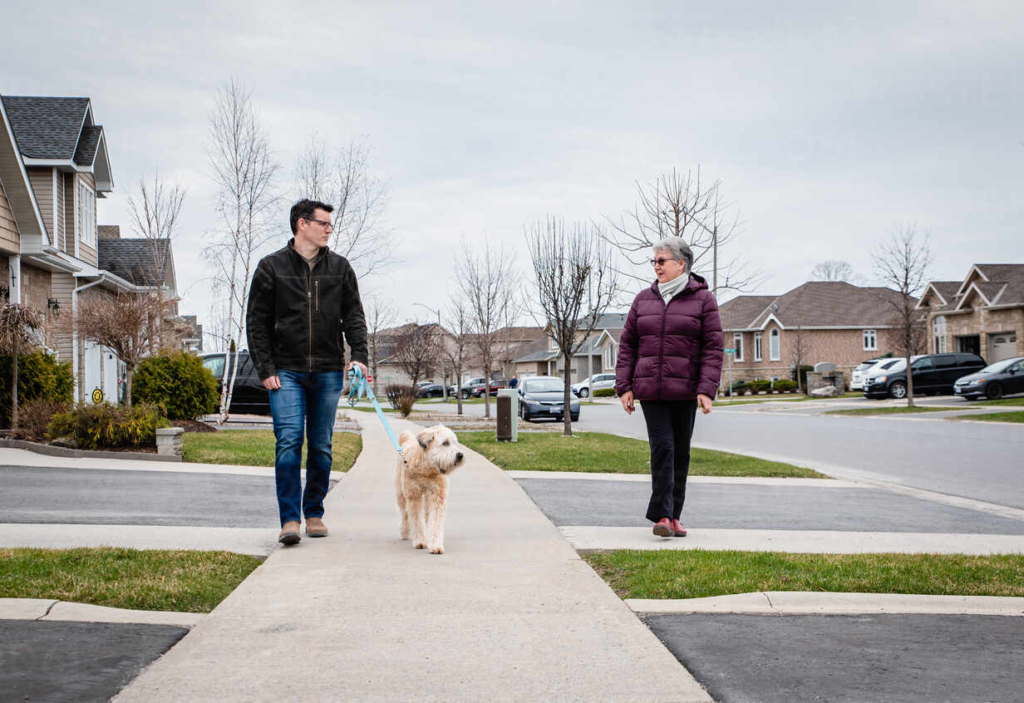
Today, nearly 80% of American adults do not meet recommended physical activity guidelines, according to the CDC. Yet many of these individuals are far from inactive. They walk dogs, care for children, stand for long hours at work, carry groceries, manage stairs, and maintain physically demanding routines that never resemble a formal workout.
In everyday American life, physical fitness is less about intensity and more about functionality—how well the body supports daily demands without pain, fatigue, or injury.
The Difference Between Exercise and Physical Fitness
Exercise is an activity. Physical fitness is an outcome.
This distinction matters because many Americans abandon fitness goals when structured workouts become unsustainable. Fitness, however, continues to develop through consistent movement patterns woven into daily life.
Physical fitness reflects:
- The ability to move without discomfort
- Strength to perform daily tasks
- Cardiovascular capacity for sustained activity
- Balance and coordination to prevent falls
- Recovery ability after physical stress
A parent carrying a toddler through a grocery store, a nurse standing for 12-hour shifts, or an office worker walking daily during lunch breaks may all be building real fitness—even if none of them step foot in a gym.

How Daily Movement Shapes Physical Fitness
In the U.S., lifestyle-driven movement plays a larger role in fitness outcomes than most people realize. Research published in the British Journal of Sports Medicine shows that light-to-moderate activity spread throughout the day significantly improves metabolic health and longevity.
Common sources of everyday movement include:
- Walking to nearby destinations
- Standing desks or active workstations
- Household chores like cleaning or yard work
- Caring for children or elderly family members
- Occupational movement in service, healthcare, or trade jobs
These activities may not raise heart rates dramatically, but they support joint health, muscle endurance, circulation, and energy regulation—key pillars of long-term fitness.
Physical Fitness at Work: The Overlooked Factor
Work environments heavily influence how physically fit Americans feel, regardless of workout habits.
Sedentary jobs can reduce daily movement to dangerously low levels, while physically demanding jobs can strain the body without proper recovery. Fitness in the workplace often depends on how movement is managed—not avoided or overdone.
Examples of fitness-supportive work habits include:
- Taking short walking breaks every hour
- Stretching during shift transitions
- Using stairs instead of elevators when feasible
- Adjusting posture and ergonomics
- Incorporating movement into meetings or calls
These micro-adjustments accumulate over time, improving mobility, posture, and musculoskeletal health without requiring extra hours.
Fitness Through Family and Home Life
For many Americans, home life is where physical fitness quietly develops—or deteriorates.
Parents often engage in frequent lifting, squatting, bending, and walking. Homeowners handle maintenance tasks, yard work, and repairs that demand strength and coordination. Even apartment dwellers climb stairs, carry laundry, and navigate tight spaces.
These actions reinforce functional fitness:
- Core stability from lifting and carrying
- Balance from navigating uneven surfaces
- Grip strength from household tasks
- Endurance from sustained activity
When these movements are performed mindfully and consistently, they contribute meaningfully to overall fitness—even without formal training.
Age, Adaptation, and Sustainable Fitness
One of the most common questions Americans ask is: How does physical fitness change as we age?
The answer lies in adaptation, not decline.
As adults age, fitness shifts from performance goals to preservation goals—maintaining mobility, preventing injury, and supporting independence. According to the National Institute on Aging, strength and balance training reduce fall risk by up to 40% in older adults.
Everyday fitness for aging Americans often includes:
- Walking routines
- Light resistance training
- Balance-focused movements
- Stretching for joint mobility
- Recovery-focused habits like sleep and hydration
Fitness remains achievable at any age when expectations align with real-life needs.
Mental Health and Physical Fitness: A Two-Way Relationship
Physical fitness is closely linked to mental well-being, particularly in high-stress American lifestyles.
Studies from Harvard Medical School indicate that regular physical activity—especially moderate, consistent movement—reduces symptoms of anxiety and depression while improving cognitive function.
Everyday fitness habits that support mental health include:
- Morning walks for circadian regulation
- Movement breaks during stressful workdays
- Outdoor activity for mood regulation
- Gentle exercise for sleep quality
Fitness doesn’t need to be intense to be effective. Consistency and accessibility matter far more than difficulty.
Nutrition and Recovery in Real Life
Physical fitness isn’t built through movement alone. Recovery and nutrition play equally important roles—especially for Americans balancing busy schedules.
Rather than strict diets or rigid plans, sustainable fitness relies on practical choices:
- Eating balanced meals most of the time
- Staying hydrated throughout the day
- Prioritizing sleep consistency
- Allowing rest days when needed
- Listening to early signs of fatigue or pain
According to the American College of Sports Medicine, inadequate recovery increases injury risk and undermines long-term fitness progress more than lack of exercise intensity.
What Americans Are Really Searching For About Fitness
Search data consistently shows that Americans want fitness guidance that fits real life—not perfection.
Common questions include:
- How can I stay fit without going to the gym?
- What counts as physical activity?
- How much movement do I really need?
- Is walking enough for fitness?
- How do I stay active with a busy schedule?
The answer across all of these is consistency. Small, repeatable actions matter more than ambitious plans that fade quickly.
Fitness That Fits Modern American Life
Modern American life is complex, fast-paced, and demanding. Physical fitness succeeds when it adapts to that reality rather than fighting it.
Fitness today is:
- Walking more, not training harder
- Recovering better, not pushing constantly
- Moving often, not occasionally
- Building habits, not chasing trends
When fitness is integrated into daily life, it becomes resilient—able to withstand schedule changes, stress, and aging.

Frequently Asked Questions
1. Is it possible to be physically fit without going to the gym?
Yes. Consistent daily movement, walking, strength-based tasks, and active routines can build meaningful fitness.
2. Does walking really count as physical fitness?
Absolutely. Walking improves cardiovascular health, joint mobility, and mental well-being.
3. How much daily movement do adults need?
The CDC recommends at least 150 minutes of moderate activity per week, which can be spread across daily routines.
4. Can physical fitness improve energy levels?
Yes. Regular movement improves circulation, sleep quality, and metabolic efficiency.
5. What’s the most realistic way to stay fit with a busy schedule?
Integrate movement into existing routines rather than adding new time commitments.
6. Does age limit physical fitness potential?
No. Fitness adapts with age; it doesn’t disappear.
7. Is strength training necessary?
Some form of resistance—bodyweight, lifting, carrying—helps maintain muscle and bone health.
8. How important is recovery for fitness?
Essential. Recovery supports adaptation and prevents injury.
9. Can household chores count as exercise?
Yes, especially when they involve lifting, carrying, and sustained movement.
Why Everyday Fitness Endures
Physical fitness lasts when it aligns with real life rather than competing with it. The most resilient fitness habits are quiet, repeatable, and woven into daily routines. When Americans stop viewing fitness as a separate task and start recognizing it as a lifestyle pattern, it becomes something they can sustain for decades—not weeks.
Key Ideas to Remember
- Fitness is built through daily movement, not just workouts
- Consistency matters more than intensity
- Everyday tasks can meaningfully support physical health
- Sustainable fitness adapts to age, work, and family life
- Recovery is as important as activity