
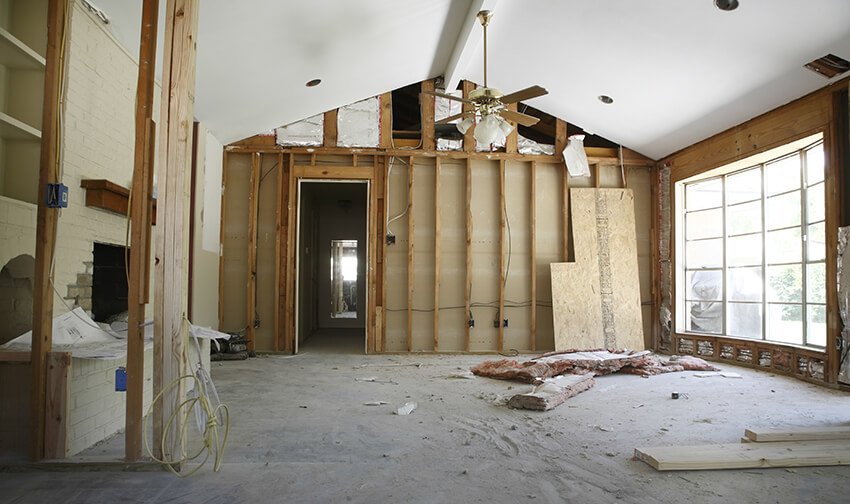
Many DIY renovation projects fail not because of skill, but because of overlooked planning details. From inaccurate budgeting and permit misunderstandings to tool gaps and timeline miscalculations, homeowners often underestimate what happens before demolition begins. This guide outlines the critical factors Americans frequently miss—helping you approach your next project with clarity, realistic expectations, and fewer costly surprises.
DIY renovation has become a defining feature of modern American homeownership. According to the Home Improvement Research Institute, home improvement spending in the U.S. has consistently exceeded $400 billion annually in recent years. Social media platforms and home renovation programming have made projects appear more accessible than ever. Yet seasoned contractors often note the same pattern: homeowners rarely struggle with enthusiasm—they struggle with preparation.
Before picking up a sledgehammer or ordering custom cabinets, it’s worth examining what most homeowners overlook before starting a DIY renovation project.
1. The True Scope of the Project
One of the most common missteps is underestimating scope. A project that begins as “just replacing cabinets” quickly evolves when drywall damage, outdated wiring, or uneven flooring is discovered.
Many Americans search: How do I know if my renovation is too big for DIY?
The answer lies in evaluating three dimensions:
- Structural involvement (load-bearing walls, foundation, roofline)
- Systems integration (electrical, plumbing, HVAC)
- Code compliance requirements
For example, removing a wall between a kitchen and living room may seem straightforward. But if that wall is load-bearing, you may need engineered beams and city inspection approval. The National Association of Home Builders consistently reports that structural changes are among the most common sources of project overruns.
Before starting, outline every component affected—not just the visible surface.
2. Budgeting Beyond Materials
Most homeowners create a materials list and call it a budget. That’s rarely sufficient.
The Joint Center for Housing Studies of Harvard University notes that renovation costs often exceed initial estimates by 10–20% when contingency planning is absent.
What often gets overlooked:
- Tool rentals or purchases
- Permit fees
- Waste disposal or dumpster rental
- Temporary housing or storage
- Delivery charges
- Sales tax
- Cost of correcting mistakes
For instance, a bathroom tile project might appear to cost $1,200 in materials. But once you add a tile saw rental, underlayment, waterproofing membrane, specialty fasteners, and debris removal, the final cost may increase significantly.
Experienced DIYers recommend building in a 15% contingency buffer—minimum.
3. Time Is a Resource—And It’s Finite
“How long will this really take?” is one of the most searched renovation questions.
The answer is usually: longer than expected.
Professional crews work full days with coordinated teams. DIY homeowners often work evenings and weekends around full-time jobs. A project a contractor completes in five days might take a homeowner three to four weekends.
Underestimating time affects:
- Family routines
- Access to kitchens or bathrooms
- Home resale timelines
- HOA compliance deadlines
A kitchen without plumbing for three weeks is more than an inconvenience—it changes daily life.
Before starting, map out realistic hours available per week. Multiply estimated contractor time by at least 2–3x for DIY pacing.
4. Permit and Code Requirements
Permit confusion is a leading cause of renovation stress. Many homeowners assume small projects don’t require oversight.
In reality, permit requirements vary by city and county. In places like Los Angeles or Chicago, even moderate plumbing or electrical changes often require documentation and inspection.
Common projects that may require permits:
- Electrical panel upgrades
- Moving plumbing lines
- Window replacements
- Deck construction
- Structural wall removal
Skipping permits can affect resale. During closing, unpermitted work may delay transactions or require retroactive inspection.
Before starting, contact your local building department and ask:
Does this project require a permit? If not, why not?
Documentation protects you long-term.
5. The Tool Gap Most People Don’t Anticipate
Owning a drill does not equal being tool-ready.
Specialty tools often include:
- Laser levels
- Stud finders
- Wet tile saws
- Finish nailers
- Pipe cutters
- Voltage testers
Buying tools outright can shift your budget unexpectedly. Renting tools requires scheduling and transportation planning.
Ask yourself:
- Will I use this tool again?
- Do I know how to use it safely?
- Is there a learning curve?
Improper tool usage is a common source of mistakes that require costly corrections.
6. Hidden Conditions Behind Walls and Floors
Demolition frequently reveals surprises:
- Outdated wiring
- Improper insulation
- Mold
- Water damage
- Uneven subfloors
- Non-code plumbing connections
Homes built before 1978 may also contain lead-based paint, regulated under EPA guidelines. The Environmental Protection Agency outlines specific handling requirements.
If your home predates modern codes, factor in possible remediation work.
Many homeowners overlook the question:
What will I do if I find something unexpected?
Having a contingency plan reduces panic decisions.
7. Resale and Appraisal Considerations
Not all DIY renovations increase home value equally.
The National Association of Realtors publishes Remodeling Impact Reports showing that kitchen upgrades and bathroom improvements often recover a strong percentage of costs—but luxury or highly personalized upgrades may not.
Before starting, ask:
- Is this change universally appealing?
- Will it align with neighborhood comparables?
- Does it remove or add functional value?
For example, converting a bedroom into a walk-in closet may suit personal preferences but reduce resale flexibility.
8. Safety Protocols Often Underestimated
DIY injuries are more common than many realize. According to the U.S. Consumer Product Safety Commission, thousands of ladder-related injuries occur annually.
Common overlooked safety issues:
- Electrical shock risk
- Improper ladder placement
- Lack of ventilation when using adhesives
- Dust inhalation
- Improper disposal of sharp materials
Invest in protective equipment:
- Safety glasses
- Gloves
- Respirator masks
- Ear protection
- Steel-toe footwear
Safety planning should be part of budgeting—not an afterthought.
9. Sequencing and Project Order
Many homeowners jump into visible elements before infrastructure is addressed.
Correct sequencing generally follows:
- Structural work
- Rough plumbing and electrical
- Insulation
- Drywall
- Flooring
- Cabinetry
- Fixtures
- Paint touch-ups
Reversing order can create rework. For example, installing flooring before cabinetry may result in wasted material or awkward transitions.
Planning sequencing saves money and time.
10. Emotional and Household Impact
Renovations affect more than walls. They influence stress levels, relationships, and routines.
Questions rarely asked in advance:
- Where will we cook during kitchen demolition?
- Where will children or pets stay?
- How will dust be contained?
- Who is responsible for daily cleanup?
DIY projects can strain households if expectations are unclear. Establish boundaries and timelines before beginning.
11. Insurance and Liability Gaps
Homeowners insurance policies may not automatically cover all renovation-related damage.
Before starting:
- Confirm coverage for renovation work
- Verify liability for friends helping
- Understand deductible implications
If a friend assisting with drywall installation is injured, coverage details matter.
A quick phone call to your insurer can prevent misunderstandings.
Frequently Asked Questions
1. How much extra should I budget for unexpected DIY renovation costs?
A 15–20% contingency buffer is widely recommended.
2. Do I need a permit for minor renovations?
It depends on local jurisdiction. Always confirm with your city’s building department.
3. How do I know if a wall is load-bearing?
Consult structural plans or hire a structural engineer before removal.
4. Is DIY renovation cheaper than hiring a contractor?
It can be, but only if errors, rework, and delays are minimized.
5. How long should I expect a kitchen DIY remodel to take?
Often 2–3 times longer than contractor timelines if working part-time.
6. What tools are essential for beginners?
A drill, level, stud finder, safety equipment, and project-specific tools.
7. Can unpermitted work affect selling my home?
Yes, it may delay or complicate closing.
8. What are the biggest DIY renovation mistakes?
Underbudgeting, skipping permits, poor sequencing, and ignoring safety.
9. Should I hire professionals for electrical or plumbing work?
Complex systems often require licensed professionals for safety and code compliance.
10. What’s the first step before any renovation?
Define scope clearly and confirm regulatory requirements.
Before You Pick Up the Hammer: A Strategic Pause
The most successful DIY renovations begin long before demolition day. They start with planning conversations, permit verification, realistic budgeting, and honest self-assessment.
DIY can be deeply rewarding. It can also become unnecessarily stressful when preparation is incomplete. Most renovation regrets stem not from lack of skill—but from overlooked fundamentals.
Approach your project like a professional: clarify scope, protect your budget, respect building codes, and prioritize safety. The result will not only look better—it will function better, appraise better, and feel better long after completion.
Key Renovation Planning Reminders
- Define complete scope before purchasing materials
- Build in a 15–20% financial buffer
- Verify permit requirements
- Plan for tool access and safety equipment
- Prepare for hidden structural or system issues
- Sequence work properly
- Protect household routines