
Summary
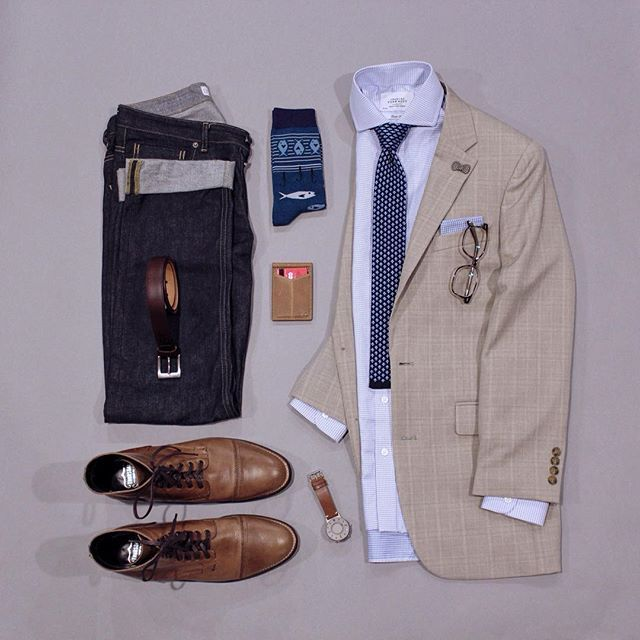
Men in their 30s and 40s are quietly rethinking style with a focus on fit, comfort, versatility, and longevity. Priorities are shifting away from trends toward clothing that works across careers, family life, and social settings. This evolution reflects changing lifestyles, professional expectations, and a deeper understanding of personal style.
For many American men, style in their 30s and 40s stops being about keeping up—and starts being about keeping things together. Careers are more established, time is tighter, bodies change, and priorities sharpen. Clothing becomes less about signaling and more about serving real life.
This isn’t a retreat from caring about appearance. It’s a recalibration. Men in this stage are asking better questions: Does this fit my life? Does it last? Can I wear it more than one way? The answers are reshaping how wardrobes are built across the U.S.
From Trend Awareness to Style Clarity
In their 20s, many men experiment. In their 30s and 40s, they edit.
Rather than chasing seasonal trends, men begin to recognize what actually works for them—specific fits, colors, and silhouettes that align with their body type and lifestyle. According to a 2023 McKinsey apparel report, consumers over 35 are significantly more likely to prioritize “timelessness” and “quality” over trend relevance.
This doesn’t mean dressing conservatively. It means understanding personal style well enough to be selective. A man who knows that structured jackets flatter him or that neutral palettes simplify his mornings is no longer guessing—he’s curating.
Fit Becomes Non-Negotiable
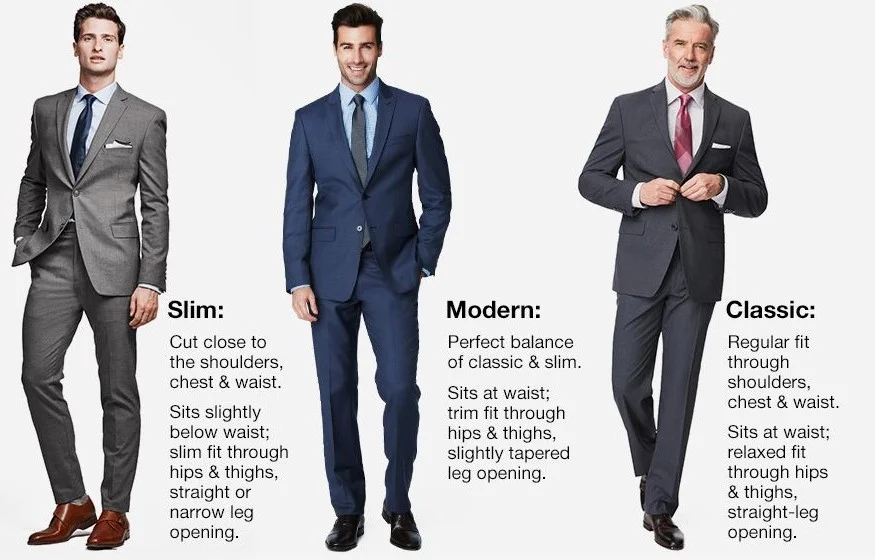
One of the biggest shifts is how men think about fit.
As bodies change with age, many men realize that neither overly slim nor overly loose clothing serves them well. Fit becomes about proportion, comfort, and movement rather than following a label on a tag.
Men increasingly:
- Tailor off-the-rack clothing instead of sizing up or down
- Choose stretch fabrics that accommodate daily movement
- Avoid extreme cuts that look dated quickly
Tailoring, once seen as formal or expensive, is now viewed as practical. A $40 alteration can extend the life and usefulness of a garment for years.
Comfort Is No Longer at Odds With Style
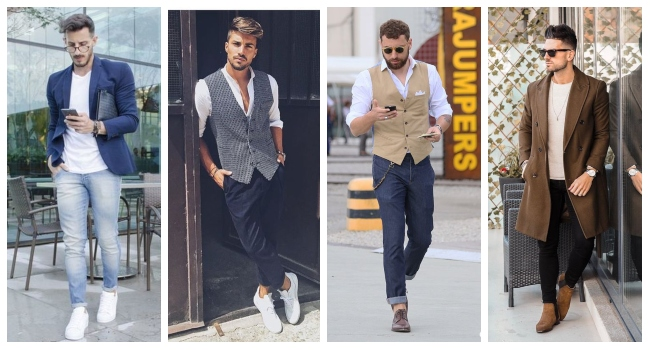
The pandemic accelerated a shift that was already underway: comfort matters, and it doesn’t need to look sloppy.
Men in their 30s and 40s are choosing:
- Soft-structured blazers instead of rigid suit jackets
- Knit polos and elevated tees over stiff button-downs
- Dress shoes with sneaker-like cushioning
According to NPD Group retail data, sales of hybrid footwear—styles that blend casual comfort with professional appearance—have consistently grown among men aged 35–54 since 2021.
The key change isn’t dressing down; it’s dressing smarter.
Fewer Pieces, Better Decisions
Closets are getting smaller—but more intentional.
Instead of owning dozens of rarely worn items, men are investing in versatile essentials that work across settings. A neutral jacket that transitions from meetings to dinner. Shoes that pair with jeans and chinos. Outerwear that layers cleanly.
Common wardrobe upgrades include:
- Neutral-colored outerwear with clean lines
- Mid-weight sweaters that layer year-round
- Pants with tailored silhouettes and flexible fabrics
This shift reflects a broader lifestyle change: less time managing clothes, more time wearing them well.
Dressing for Multiple Roles in One Day
Men in this age group often move through several roles in a single day—professional, parent, partner, friend. Clothing has to adapt.
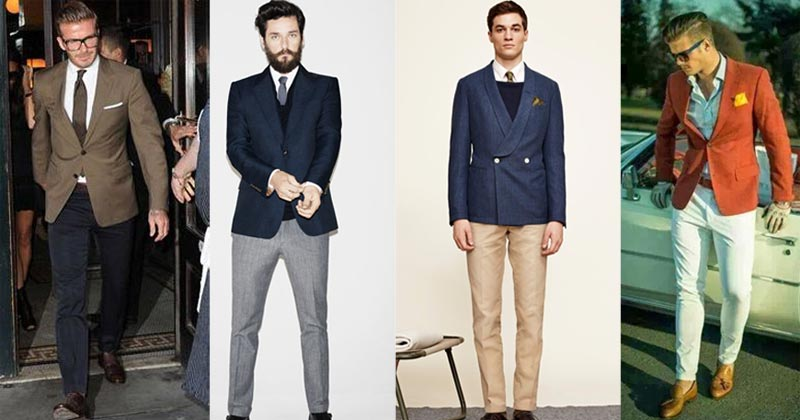
The rigid divide between “work clothes” and “weekend clothes” is fading. Instead, men are building wardrobes that flex:
- Dark denim appropriate for casual offices
- Blazers that don’t feel out of place after hours
- Shoes that balance polish with walkability
This approach reduces decision fatigue while increasing confidence. You’re not overdressed or underdressed—you’re appropriately dressed.
Quality Starts to Outrank Quantity
With more purchasing power—and more experience—men begin to recognize quality quickly.
They pay attention to:
- Fabric composition and weight
- Construction details like stitching and lining
- Brand consistency rather than logo visibility
Research from Cotton Incorporated shows men over 35 are significantly more likely to research materials and care instructions before purchasing apparel.
The result is fewer impulse buys and more satisfaction over time.
Grooming and Clothing Start Working Together
Style isn’t just clothing anymore.
Men in their 30s and 40s increasingly view grooming as part of the overall presentation. Haircuts are chosen to suit face shape and maintenance level. Facial hair is intentional. Skincare becomes basic but consistent.
This holistic approach means clothing doesn’t have to do all the work. A simple outfit looks sharper when grooming is aligned.
Logos Lose Their Appeal
What once felt aspirational can begin to feel unnecessary.
Many men quietly move away from overt branding in favor of subtle design. Clothes become about how they fit and feel—not what they announce.
This aligns with a broader cultural shift toward understated confidence, particularly among professionals who no longer need clothing to validate their success.
Sustainability Enters the Conversation—Practically
While not all men in this group identify as “eco-conscious,” many are making sustainability-adjacent choices without framing them that way.
Buying fewer items. Repairing instead of replacing. Choosing brands known for durability. These behaviors reduce waste while aligning with personal values around responsibility and longevity.
What Men Are Really Asking About Style Now
Men in their 30s and 40s aren’t asking, “Is this cool?” They’re asking:
- Will I still wear this in five years?
- Does this work for my actual life?
- Is this worth maintaining?
These questions signal maturity—not disinterest.
Frequently Asked Questions
1. How should a man in his 30s dress differently than in his 20s?
Focus on fit, versatility, and quality rather than trends or volume.
2. Is tailoring worth it for everyday clothes?
Yes. Minor alterations significantly improve comfort and appearance.
3. Are slim fits still appropriate after 40?
They can be, if balanced and comfortable. Extreme cuts are best avoided.
4. How many outfits should a functional wardrobe include?
Most men benefit from 20–30 well-coordinated pieces.
5. Can casual clothes still look professional?
Absolutely, with proper fit, neutral colors, and clean lines.
6. Is it okay to repeat outfits frequently?
Yes. Consistency often reads as confidence.
7. What colors are most versatile at this age?
Navy, gray, olive, brown, and off-white are highly adaptable.
8. Should men follow fashion trends at all?
Selectively. Trends should support—not override—personal style.
9. How important is footwear compared to clothing?
Extremely. Shoes often define the formality and polish of an outfit.
Where Style Maturity Actually Shows
The most noticeable change in men’s style during their 30s and 40s isn’t what they wear—it’s why they wear it. Decisions become intentional. Clothes support life rather than distract from it. Style becomes quieter, but more assured.
This stage isn’t about playing it safe. It’s about dressing with clarity.
A Clearer Way to Think About Men’s Style at This Stage
- Fit and comfort drive confidence
- Versatility saves time and effort
- Quality outlasts trends
- Subtlety communicates maturity
- Personal style beats external validation