
Summary
Meaningful cultural experiences in modern American life are less about travel checklists and more about intentional engagement—locally and globally. This article explores how Americans are integrating culture into daily routines through food, art, history, community, and shared traditions, offering practical, realistic ways to connect more deeply despite busy schedules.
The Changing Meaning of “Culture” in American Life
For much of the 20th century, cultural experiences were often framed as special occasions—museum trips, international travel, or formal events reserved for weekends or vacations. Today, that definition has expanded. In a fast-paced American lifestyle shaped by demanding work schedules, digital overload, and constant mobility, culture is increasingly experienced in smaller, more frequent, and more personal ways.
Culture now shows up in neighborhood food traditions, local festivals, shared rituals, and everyday creative expression. According to a 2023 Pew Research Center study, over 60% of Americans say they value learning about people with different backgrounds as part of their personal growth. This shift reflects a broader desire for connection in an otherwise fragmented daily rhythm.
Meaningful cultural experiences no longer require stepping away from life; they are woven into it.
Why Cultural Experiences Feel Harder to Access Today
Despite strong interest, many Americans struggle to engage with culture meaningfully. Time constraints are the most obvious barrier, but they are not the only one.
Long work hours, long commutes, and digital fatigue limit attention and energy. In addition, culture is often marketed as something consumable—events to attend, destinations to visit—rather than relationships to build or practices to sustain.
There is also a perception gap. Many people associate cultural engagement with expertise or formality, assuming they need prior knowledge to participate. This belief discourages exploration, especially among adults balancing careers, families, and financial responsibilities.
The result is a paradox: high cultural curiosity paired with low cultural confidence.
What Makes a Cultural Experience “Meaningful”
Not all cultural encounters leave a lasting impact. Meaningful experiences share a few defining characteristics that distinguish them from passive consumption.
They involve presence rather than performance. Instead of checking boxes or capturing content for social media, participants are mentally engaged. They ask questions, listen, and reflect.
They also emphasize exchange over observation. Meaningful cultural moments often involve interaction—conversation, collaboration, or shared participation—rather than watching from the sidelines.
Most importantly, they connect to everyday life. Experiences that influence how people cook, celebrate, speak, or think tend to stay with them far longer than isolated events.
Cultural Experiences Don’t Have to Be Big to Matter
One of the most common misconceptions is that cultural depth requires grand gestures. In reality, many of the most impactful experiences are small and local.
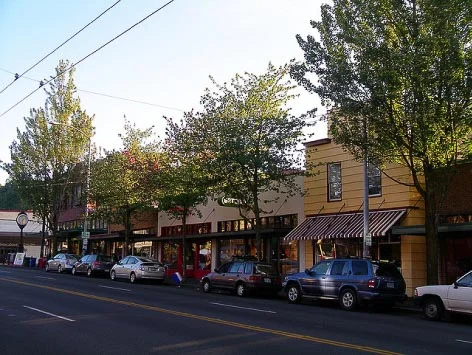
Consider the growing popularity of community-based cultural spaces across the U.S. Public libraries now host language exchanges, storytelling nights, and local history workshops. Farmers markets increasingly feature regional food traditions tied to immigrant and Indigenous communities. Neighborhood art walks bring creative expression directly into daily routines.
Examples of accessible cultural experiences include:
- Joining a monthly neighborhood potluck centered on traditional dishes
- Attending free cultural programming at local museums or community centers
- Participating in cultural heritage days at public schools or libraries
- Taking part in oral history or storytelling events
These experiences fit naturally into busy schedules while offering depth and continuity.
Food as One of America’s Most Powerful Cultural Gateways
Food remains one of the most immediate and inclusive ways Americans engage with culture. It requires no prior knowledge and invites curiosity through taste, conversation, and shared preparation.
Across the U.S., immigrant-owned restaurants often function as informal cultural classrooms. Asking about a dish’s origin or preparation can open conversations about migration, family history, and tradition. Cooking classes focused on regional or ethnic cuisines are also growing in popularity, particularly in urban and suburban areas.
According to the National Restaurant Association, nearly 70% of Americans say they are more interested in foods from different cultures than they were a decade ago. This curiosity reflects a broader openness to learning through everyday experiences.
Meaningful food-based cultural engagement goes beyond novelty. It includes learning why dishes matter, when they are traditionally served, and how they reflect community values.
Arts and Storytelling in Everyday Spaces
Art does not only live in galleries or concert halls. For many Americans, cultural storytelling happens in bookstores, parks, public murals, podcasts, and local theaters.
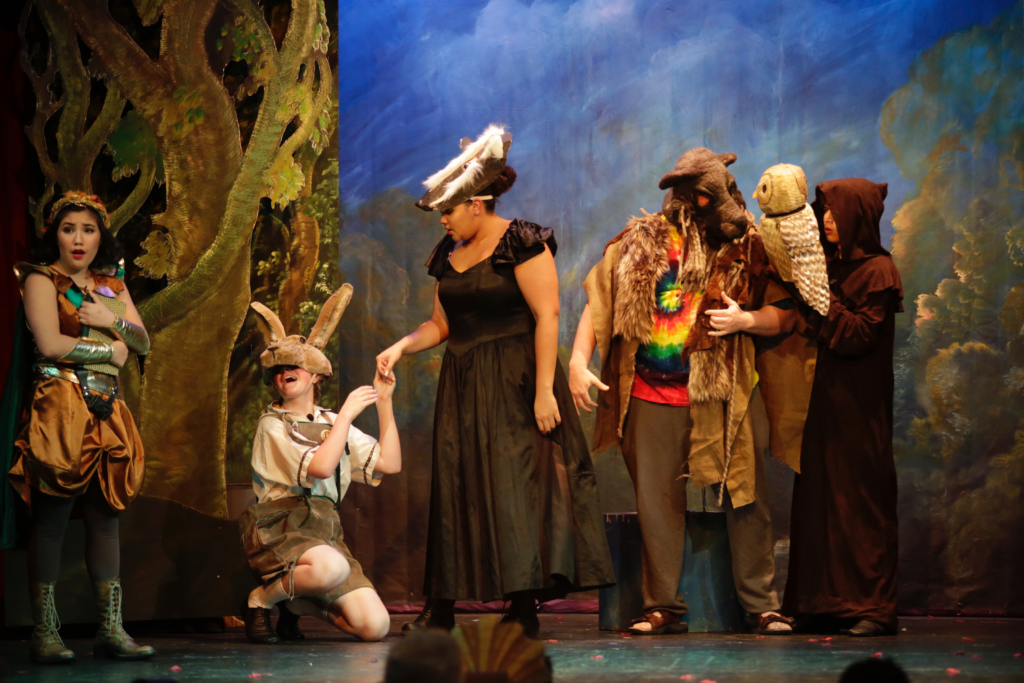
Public art projects, in particular, have become cultural anchors in cities and towns. Murals often reflect shared histories, social movements, or neighborhood identity. Community theater productions and spoken-word events offer platforms for local voices that might otherwise go unheard.
Digital storytelling has also expanded access. Podcasts focused on American regional history, cultural identity, and oral traditions allow people to engage while commuting, exercising, or doing household tasks.
The key is intentional listening—approaching stories as lived experiences rather than entertainment alone.
Cultural Engagement at Work and in Professional Life
For many Americans, work consumes the majority of waking hours. As a result, meaningful cultural experiences increasingly intersect with professional environments.
Diversity, equity, and inclusion initiatives have evolved beyond formal training sessions. Employee-led cultural groups, heritage month programming, and cross-cultural mentoring are becoming more common in U.S. workplaces.
When done thoughtfully, these initiatives allow employees to share traditions, values, and personal histories without pressure to represent an entire group. They foster understanding through storytelling rather than policy alone.
Remote and hybrid work has also created new opportunities. Virtual cultural exchanges, online speaker series, and global collaboration expose Americans to perspectives that were previously inaccessible within local offices.
Travel Reimagined: Depth Over Distance
Travel remains an important cultural touchpoint, but Americans are increasingly prioritizing depth over distance. Instead of rushing through destinations, travelers seek experiences that allow them to engage with local life.
Domestic travel has played a significant role in this shift. Exploring regional cultures within the U.S.—from Native American heritage sites to Appalachian music traditions—offers rich cultural learning without international travel demands.
Meaningful cultural travel often includes:
- Guided experiences led by local residents
- Participation in regional festivals or seasonal traditions
- Staying in locally owned accommodations
- Learning historical and social context before arrival
This approach transforms travel from escape into education.
Raising Cultural Awareness Within Families
Families play a critical role in shaping cultural curiosity. For parents, meaningful cultural experiences are often about modeling openness rather than delivering lessons.
Simple practices—such as reading stories from different cultures, celebrating a variety of holidays, or visiting cultural institutions together—build familiarity over time. Importantly, these experiences encourage children to see cultural difference as normal rather than exceptional.
Multigenerational households, increasingly common in the U.S., also create opportunities for cultural exchange. Sharing family histories, migration stories, and traditions helps preserve cultural memory while adapting it to modern life.
Digital Culture: Risks and Opportunities
Digital platforms have made culture more accessible than ever, but they also present challenges. Algorithms often prioritize simplified or sensational content, which can flatten complex traditions.
However, when used intentionally, digital tools can deepen cultural engagement. Online lectures, virtual museum tours, and long-form interviews provide context that short-form content lacks.
The key distinction lies in how Americans engage: passively scrolling versus actively learning. Curating digital consumption—choosing depth over volume—makes cultural exploration more meaningful.
Building Cultural Habits, Not One-Off Moments
The most lasting cultural experiences are those that become habits. Instead of treating culture as an occasional activity, many Americans are integrating it into weekly or monthly routines.
Examples include:
- Attending a recurring cultural event or lecture series
- Supporting local cultural organizations through memberships
- Setting aside time for reading or listening focused on cultural topics
- Volunteering with community heritage organizations
These habits create continuity and allow understanding to deepen over time.
Frequently Asked Questions
What are cultural experiences in everyday life?
They include daily interactions with traditions, stories, food, art, and community practices that reflect shared values and histories.
Do cultural experiences require travel?
No. Many meaningful experiences happen locally through community events, food, and storytelling.
How can busy professionals engage with culture?
By integrating culture into existing routines, such as podcasts during commutes or local events near home.
Are digital cultural experiences valuable?
Yes, when they provide context and depth rather than surface-level content.
How can families introduce cultural awareness to children?
Through shared activities like reading, cooking, and attending local cultural events together.
Is cultural engagement only about diversity?
No. It also includes regional traditions, local history, and shared community identity.
How do cultural experiences support well-being?
They foster connection, curiosity, and a sense of belonging.
Can workplaces support cultural learning?
Yes, through employee-led initiatives and inclusive programming.
How do I avoid cultural appropriation?
By approaching cultures with respect, learning context, and listening to community voices.
A Slower Way of Living Within a Faster World
Meaningful cultural experiences offer Americans a way to slow down without stepping away. They create moments of reflection, connection, and understanding within the pace of modern life. By choosing presence over performance and depth over novelty, culture becomes not an obligation—but a grounding force woven into everyday living.
Key Ideas Worth Carrying Forward
- Culture thrives in daily routines, not just special occasions
- Meaningful engagement emphasizes exchange and understanding
- Local communities are powerful cultural resources
- Habits create deeper impact than one-time experiences