
Summary
A “simple” skincare routine, according to dermatologists, isn’t about doing the least—it’s about doing what’s necessary, consistently, and appropriately for your skin. This article explains what simplicity really means in dermatology, how lifestyle factors shape skin health, which steps matter most, and how Americans can build routines that are practical, sustainable, and evidence-based.
In everyday conversation, “simple skincare” is often interpreted as minimal effort—two products, applied quickly, with little thought. Dermatologists, however, use the word very differently. In clinical practice, a simple routine is one that’s intentional, efficient, and tailored, not bare-bones or trend-driven.
For many Americans, skincare has become unnecessarily complicated. Multi-step routines inspired by social media, aggressive exfoliation schedules, and constant product switching are now common reasons patients end up in dermatology offices with irritation, breakouts, or worsening sensitivity. Simplicity, from a dermatologist’s perspective, is about reducing noise, not neglecting care.
This article unpacks what professionals actually mean when they recommend a “simple routine,” why it works better for most people, and how lifestyle habits quietly influence your skin more than any single product ever could.
Why Dermatologists Push Back Against Overcomplicated Routines
Dermatologists see patterns most consumers don’t. Patients often arrive with shelves full of products, each promising a specific result, yet their skin is reactive, inflamed, or persistently breaking out.
From a medical standpoint, complexity increases risk. Every additional product introduces new variables—active ingredients, preservatives, fragrances—that can disrupt the skin barrier. According to data published in the Journal of Clinical and Aesthetic Dermatology, barrier impairment is a leading contributor to chronic dryness, acne flares, and eczema-like symptoms.
A simple routine reduces:
- Ingredient overload
- Cumulative irritation
- Conflicting actives
- Inconsistent use
Most importantly, it increases adherence. Dermatologists know that even the best routine fails if it’s too time-consuming or confusing to maintain consistently.
What “Simple” Actually Means in Dermatology Terms
In clinical language, “simple” does not mean “one-size-fits-all.” It means purpose-driven. Each step in the routine must justify its existence by addressing a real skin need.
A dermatologist-defined simple routine typically:
- Supports the skin barrier
- Matches the patient’s skin type and environment
- Uses evidence-backed ingredients
- Avoids unnecessary duplication
For most adults, this results in a routine built around a small number of foundational steps rather than a rotating lineup of trend-based treatments.
The Core Steps Dermatologists Rarely Skip
While recommendations vary based on skin conditions, dermatologists generally agree on a few non-negotiable categories. These aren’t about aesthetics—they’re about skin health.
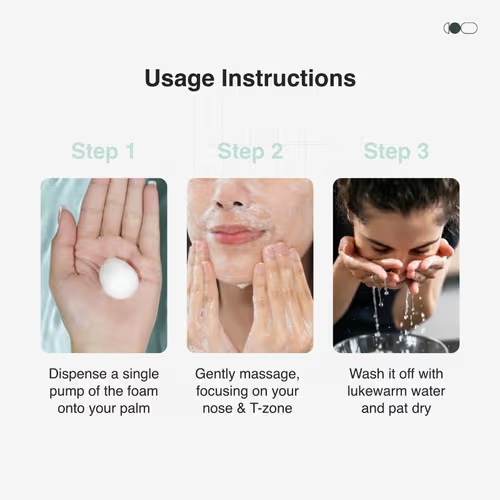
Cleansing
A gentle cleanser removes sweat, oil, sunscreen, and environmental debris without stripping the skin. Over-cleansing is a frequent issue in the U.S., especially among acne-prone adults who assume squeaky-clean skin equals healthy skin. In reality, aggressive cleansing often worsens oil production and irritation.
Moisturizing
Moisturizers do more than hydrate. They help reinforce the skin barrier, which reduces inflammation and sensitivity. Dermatologists emphasize that even oily and acne-prone skin benefits from appropriate moisturization, particularly when using active treatments.
Sun Protection
Daily sunscreen is one of the strongest anti-aging and skin-cancer-prevention tools available. The American Academy of Dermatology reports that regular sunscreen use can reduce the risk of squamous cell carcinoma by about 40% and melanoma by 50%. From a dermatologist’s view, a routine without sunscreen is incomplete, no matter how advanced the serums are.
Targeted Treatment (When Needed)
This is where simplicity becomes individualized. A treatment step may address acne, hyperpigmentation, rosacea, or aging concerns—but only if there’s a clear reason. Dermatologists prefer one targeted active used consistently rather than multiple actives used sporadically.
Why Lifestyle Matters More Than Most Products
One of the most common misconceptions in skincare is that products work in isolation. Dermatologists consistently remind patients that skin reflects internal and environmental factors just as much as topical care.
Sleep deprivation, for example, is linked to increased inflammation and slower skin barrier recovery. A 2015 study in Clinical and Experimental Dermatology found that poor sleepers showed more visible signs of aging and reduced ability to recover from environmental stressors.
Diet plays a role as well, particularly in inflammatory skin conditions. While food isn’t the sole cause of acne or rosacea, patterns high in refined carbohydrates and low in omega-3 fatty acids are associated with increased inflammation.
Stress is another major factor. Chronic stress elevates cortisol, which can worsen acne, eczema, and psoriasis. Dermatologists often see skin conditions flare during high-stress life events, even when routines remain unchanged.
A truly simple routine accounts for these realities. It doesn’t attempt to “fix” lifestyle-driven issues solely through products.
How Dermatologists Customize Simplicity by Skin Type
Simplicity looks different depending on the person sitting in the exam chair.
For acne-prone skin, a simple routine often includes a gentle cleanser, non-comedogenic moisturizer, sunscreen, and one proven acne treatment such as benzoyl peroxide or a retinoid. Adding multiple exfoliants or switching products weekly is a common reason acne worsens.
For sensitive or rosacea-prone skin, simplicity means minimizing actives altogether. Dermatologists prioritize fragrance-free formulations and barrier-repair ingredients over aggressive treatments.
For aging skin, simplicity focuses on prevention and consistency. Sunscreen, a retinoid, and moisturizer form the backbone, with fewer “corrective” products added over time as needed.
Why Fewer Products Often Deliver Better Results
From a behavioral standpoint, Americans are more likely to stick to routines that fit into real life. Dermatologists factor this in. A routine that takes 10 minutes twice a day is less likely to be followed long-term than one that takes two minutes.
There’s also a biological reason fewer products work better. Skin needs time to respond to active ingredients. Constantly introducing new products can interrupt this process, making it difficult to tell what’s helping and what’s harming.
Dermatologists often recommend giving any new product at least four to six weeks before evaluating results—another reason simplicity supports better outcomes.
Common Misinterpretations of “Simple Skincare”
Many Americans unintentionally misunderstand dermatology advice. Some common misinterpretations include:
- Believing “simple” means skipping moisturizer if skin is oily
- Assuming natural or DIY products are gentler by default
- Using fewer products but choosing overly harsh formulations
- Eliminating sunscreen to “let skin breathe”
Dermatologists emphasize that simplicity is not about restriction—it’s about appropriateness.
Building a Simple Routine That Works in Real Life
A dermatologist-approved simple routine is built around daily habits, not perfection. It adapts to seasons, travel, stress levels, and aging.
Practical examples include:
- Switching to a richer moisturizer during winter rather than adding serums
- Reducing actives during periods of high stress or illness
- Prioritizing sunscreen over corrective products when time is limited
Simplicity allows flexibility without sacrificing skin health.

FAQs: What Americans Commonly Ask About Simple Skincare
1. Can a simple skincare routine really improve acne?
Yes. Many acne cases improve when irritation and overuse of products are reduced.
2. How many products do dermatologists usually recommend?
Often four to six, depending on skin concerns.
3. Is “simple” the same as “minimalist skincare”?
Not exactly. Simple skincare is functional; minimalist skincare is aesthetic-driven.
4. Do I need different routines for morning and night?
Usually yes, but the differences are small and purposeful.
5. Can I skip moisturizer if my sunscreen feels hydrating?
Sometimes, but this depends on your skin type and environment.
6. Are drugstore products acceptable in simple routines?
Absolutely. Dermatologists prioritize formulation, not price.
7. How long should I try a simple routine before changing it?
At least four weeks, unless irritation occurs.
8. Does age change what “simple” looks like?
Yes. Skin needs evolve with hormonal changes and cumulative sun exposure.
9. Is exfoliation necessary in a simple routine?
Not always. Many people over-exfoliate without realizing it.
When Simplicity Becomes a Long-Term Advantage
The real power of a simple skincare routine isn’t immediate transformation—it’s sustainability. Dermatologists think in years, not weeks. A routine that protects the skin barrier, minimizes inflammation, and adapts to life changes quietly supports healthier skin over time.
In a culture that often equates more effort with better results, dermatology offers a different perspective: thoughtful restraint, applied consistently, tends to outperform complexity.
What to Remember as You Simplify
- Dermatologists define “simple” as purposeful, not minimal
- Consistency matters more than product quantity
- Lifestyle habits directly influence skin health
- Fewer products often mean fewer problems
- A routine should evolve with your life, not fight it