
Summary
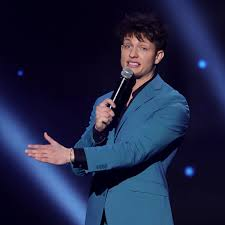
Audiences today expect stand-up comedians to be authentic, thoughtful, and culturally aware while still delivering strong jokes. Beyond laughs, viewers value honesty, originality, and respect for diverse experiences. This article explores how expectations have evolved, what modern audiences look for onstage and online, and how comedians adapt to changing cultural, technological, and economic realities.
Introduction: Stand-Up Comedy in a Changed Cultural Moment
Stand-up comedy has always reflected its time. From nightclub stages to streaming specials viewed by millions, comedians have long acted as observers, critics, and storytellers of everyday life. What has changed is not comedy’s purpose, but the expectations audiences bring with them.
Today’s audiences are more fragmented, more vocal, and more informed than ever before. They encounter comedy across multiple platforms—live clubs, streaming services, podcasts, short-form video, and social media—and they expect consistency across all of them. Laughter still matters, but it is no longer the only measure of success. Viewers also evaluate perspective, intent, and awareness.
Understanding what audiences expect now requires looking beyond punchlines to the broader experience comedians deliver.
The Core Expectation Hasn’t Changed: Be Funny, but Be Earned
No matter how much the industry evolves, audiences still expect stand-up comedians to be funny. That seems obvious, but the definition of “funny” has become more demanding.
Modern audiences value jokes that feel earned rather than generic. They respond better to material rooted in lived experience than recycled premises. Many viewers are quick to disengage if a set feels lazy, predictable, or disconnected from reality.
Comedy clubs report that audiences are more attentive but also less forgiving. A joke that lands well feels sharper; one that misses can create immediate discomfort. This heightened sensitivity means comedians must refine material more carefully and read rooms more accurately than before.
Authenticity Matters More Than Polished Personas
One of the clearest shifts in audience expectations is the emphasis on authenticity. Audiences increasingly want comedians to sound like themselves, not like a version of what comedy “should” be.
This does not mean oversharing or confessional storytelling at all times. Instead, audiences respond to honesty in tone—material that feels grounded in real observation rather than manufactured outrage or exaggerated bravado.
Podcasts and long-form interviews have reinforced this expectation. When audiences hear comedians speak candidly offstage, they expect that same voice to appear onstage. A mismatch between persona and reality can undermine trust quickly.
Cultural Awareness Is Now a Baseline, Not a Bonus
Audiences today expect comedians to understand the cultural environment they are operating in. This does not require comedians to avoid difficult topics, but it does require awareness of context and consequence.
According to Pew Research Center surveys on media consumption and social attitudes, Americans across age groups are more attuned to issues of representation, power, and language than in previous decades. Comedy that ignores this reality risks feeling outdated or careless.
Importantly, audiences distinguish between challenging ideas and punching down. Many viewers remain open to uncomfortable conversations when jokes demonstrate intention, insight, and self-awareness.
Relatability Across Diverse Life Experiences
As the US audience becomes more diverse, expectations around relatability have expanded. Audiences no longer expect comedians to speak for everyone—but they do expect clarity about whose experience is being represented.
Stand-up audiences often respond positively when comedians:
- Clearly frame jokes as personal perspective
- Avoid assuming universal agreement
- Acknowledge differences without condescension
Relatability now comes from specificity. The more clearly a comedian articulates their own point of view, the easier it becomes for audiences to connect, even if their lives look different.
Consistency Across Platforms: Stage, Screen, and Social Media
Audiences increasingly follow comedians across platforms. A live set may be discovered through a short clip, a podcast appearance, or a streaming special recommendation.
This cross-platform exposure creates a new expectation: consistency. Audiences notice when a comedian’s online presence contradicts their onstage values or tone. They also notice when social media content feels purely promotional rather than thoughtful or engaging.
Comedians who succeed in this environment tend to treat every platform as an extension of their voice, adjusting format without abandoning identity.
Respect for the Audience’s Intelligence
Another growing expectation is respect for audience intelligence. Modern viewers are highly media-literate. They recognize overused premises, borrowed structures, and performative controversy quickly.
Audiences are more likely to respond positively to comedy that trusts them to follow complex ideas rather than spelling everything out. Subtlety, callbacks, and layered meaning often perform better with today’s crowds than blunt shock tactics.
This aligns with broader entertainment trends. Data from Nielsen and streaming platforms consistently shows higher engagement for content that rewards attention rather than chasing instant reactions.
Accountability Without Demanding Perfection
Audiences today expect accountability, but not perfection. Most viewers understand that comedians experiment, fail, and evolve. What they expect is reflection when mistakes happen.
Public responses to missteps matter. Silence, deflection, or dismissiveness can damage audience trust more than the original joke. Thoughtful acknowledgment, by contrast, often strengthens credibility.
This expectation reflects a broader shift in American media culture, where transparency is increasingly valued across industries.
The Live Experience Still Matters
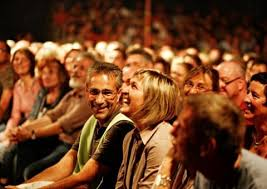
Despite the rise of digital platforms, audiences continue to value live stand-up. Comedy clubs and theaters offer something streaming cannot replicate: shared experience and immediacy.
Live audiences expect comedians to read the room, adjust pacing, and respond to energy in real time. Crowd work, when done well, feels spontaneous and personal, reinforcing the uniqueness of the experience.
According to industry reports from comedy venue associations, ticket sales for live comedy have remained strong even as viewing habits diversify, underscoring the continued importance of in-person performance.
Economic Transparency and Professionalism
Audiences are also more aware of the business side of comedy. From ticket pricing to special distribution deals, viewers often understand how comedians earn a living.
This awareness has created expectations around professionalism. Starting shows on time, delivering full sets, and communicating clearly about cancellations or changes are now part of audience trust.
When audiences feel respected as customers, they are more likely to remain loyal supporters.
What Audiences Are Actively Asking Today
Many common search queries reflect these evolving expectations, including:
- What makes a stand-up comedian successful today?
- Why do some comedians connect better with modern audiences?
- How has stand-up comedy changed in recent years?
- What do audiences want from comedy specials now?
The consistent theme across these questions is balance: humor paired with awareness, individuality paired with responsibility.
Frequently Asked Questions
1. Do audiences still want edgy comedy?
Yes, but audiences expect edge to come with purpose, insight, and awareness rather than shock alone.
2. Is political comedy still popular?
It can be, especially when grounded in personal perspective rather than broad generalizations.
3. Are clean comedians more popular now?
Clean comedy has gained broader appeal, but success depends more on quality than content restrictions.
4. How important is social media for comedians today?
Social media is important for discovery, but audiences still value strong live and long-form performances.
5. Do audiences expect comedians to take positions on social issues?
Audiences expect clarity of perspective, not mandatory activism.
6. Are audiences more critical now than before?
They are more vocal and informed, but also more supportive of comedians who demonstrate growth.
7. What role does crowd work play today?
Crowd work is appreciated when it feels organic and respectful rather than filler.
8. Do audiences prefer storytelling or one-liners?
Preferences vary, but storytelling often resonates due to emotional connection.
9. How long does it take for audiences to trust a comedian?
Trust builds over repeated exposure, consistency, and authenticity.
Where Stand-Up Is Headed Next
The expectations placed on stand-up comedians today suggest a future defined less by shock and more by substance. Audiences want comedians who understand their role as entertainers without forgetting their responsibility as communicators.
The most respected comedians are not those who avoid risk, but those who take it thoughtfully. As platforms multiply and audiences diversify, stand-up remains one of the few art forms where honesty, timing, and human connection still matter most.
Key Signals Audiences Are Sending
- Laughter matters, but intention matters too
- Authentic voices outperform manufactured personas
- Awareness strengthens comedy rather than limiting it
- Respect for audiences builds long-term loyalty