
Summary
American wardrobes are shifting in quiet but meaningful ways. Comfort is no longer casual, workwear is no longer rigid, and style choices increasingly reflect how people actually live. This article explores what Americans are wearing differently this year, the cultural and economic forces behind those choices, and why these changes matter beyond fashion.
A Wardrobe Reset Shaped by Real Life
Over the past few years, Americans have rethought how clothing fits into daily life. The result isn’t a dramatic trend cycle or a single defining look. Instead, it’s a practical recalibration—one shaped by hybrid work, rising costs, climate awareness, and changing expectations about comfort and self-presentation.
What people wear now is less about signaling status and more about supporting how they move through their day. Clothes are expected to function well at home, at work, in transit, and in social settings, often without a change in outfit. That expectation has fundamentally altered design, purchasing habits, and personal style.
The Decline of “Occasion-Only” Dressing
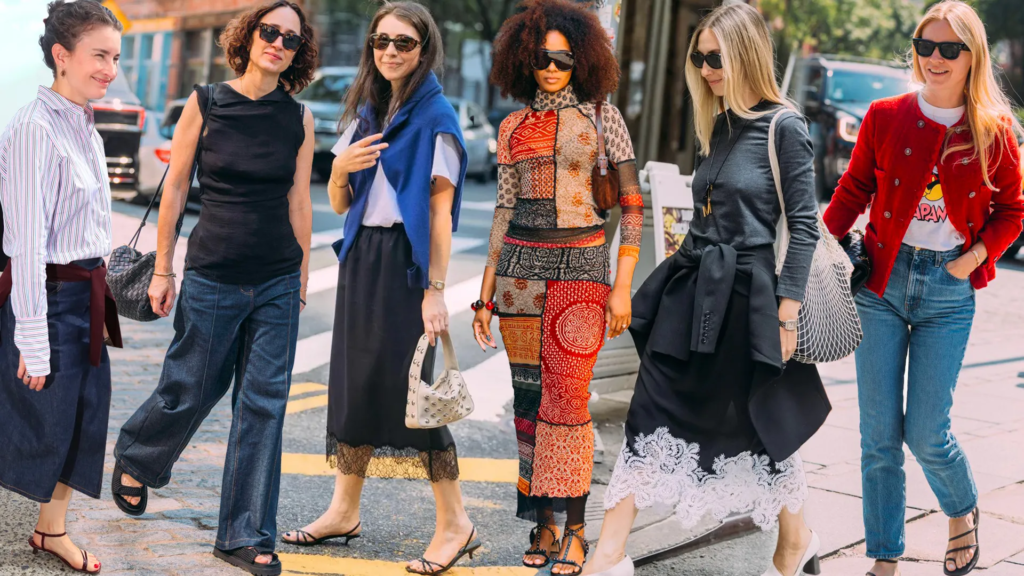
One of the most noticeable shifts is the fading relevance of clothes designed for only one narrow setting. Americans are moving away from items that feel out of place outside a single environment.
Traditional categories—such as strictly formal officewear or purely lounge-only pieces—are giving way to adaptable garments. Blazers are softer and stretchier. Dresses pair easily with sneakers. Knit pants replace rigid trousers without looking informal.
This change reflects how Americans actually spend their time. With more flexible schedules and blended environments, clothing that works across contexts feels like a smarter investment.
Comfort Has Become a Baseline, Not a Luxury
Comfort is no longer a selling point—it’s an expectation. Americans increasingly reject the idea that style requires physical compromise.
Key comfort-driven changes include:
- Wider-leg pants replacing tight silhouettes
- Stretch fabrics built into structured garments
- Breathable natural fibers used year-round
- Shoes designed for walking rather than standing
According to consumer behavior research from major retail analysts, comfort consistently ranks as a top factor influencing apparel purchases, often outranking trend relevance. This helps explain why once-niche categories—like polished athleisure or ergonomic footwear—have become mainstream.
Hybrid Work Changed More Than Office Dress Codes
Remote and hybrid work didn’t just eliminate daily commutes; it reshaped how Americans think about “getting dressed.” Without a clear boundary between professional and personal time, people want clothes that feel appropriate without feeling performative.
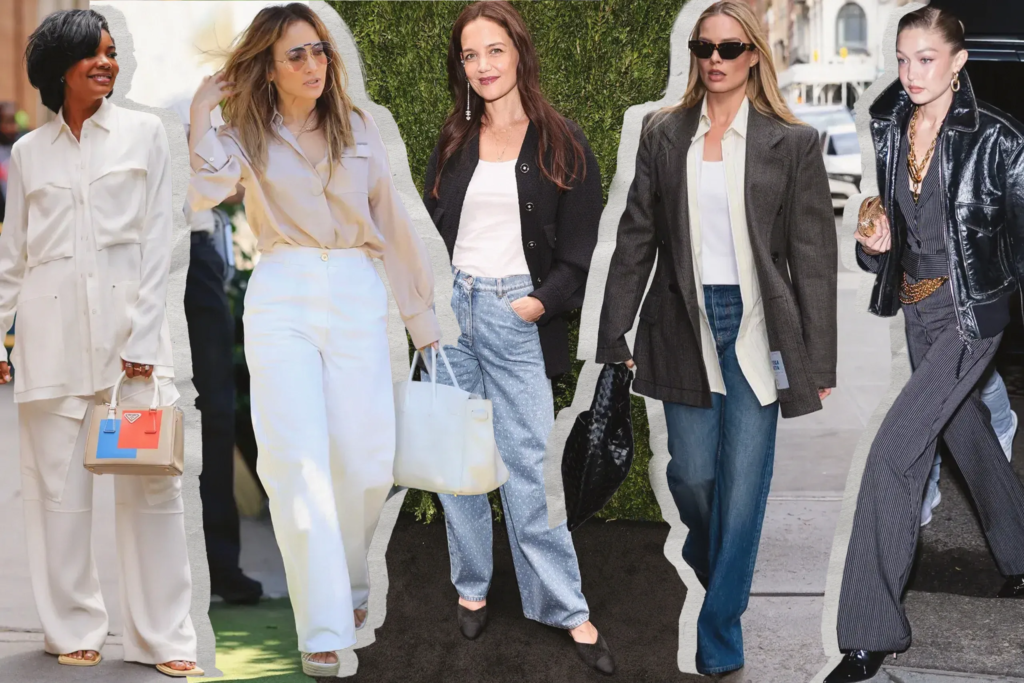
Instead of formal business attire, Americans are gravitating toward:
- Clean, unfussy silhouettes
- Neutral color palettes that mix easily
- Layerable pieces for video calls and errands
- Elevated basics that photograph well on screen
This doesn’t signal a decline in professionalism. Rather, it reflects a broader understanding that credibility now comes from clarity, comfort, and consistency—not stiff uniforms.
Fewer Items, Better Choices
Another defining change is the move toward smaller, more intentional wardrobes. Many Americans are buying fewer items overall, but spending more time evaluating fit, durability, and versatility.
Economic pressure plays a role here. As apparel prices rise, impulse buying feels less practical. But values have shifted as well. Consumers increasingly want clothing that lasts, both physically and stylistically.
Common purchasing priorities now include:
- Timeless design over seasonal trends
- Quality construction and fabric transparency
- Pieces that work across multiple outfits
- Brands with clear sourcing and labor standards
This mindset favors longevity over novelty, subtly redefining what “value” means in clothing.
Style Is Becoming More Personal—and Less Performative
Social media once encouraged highly curated, trend-driven looks. Today, Americans appear less interested in chasing viral aesthetics and more focused on clothes that feel authentic to their lives.
That authenticity shows up in small but telling ways: mixing old and new pieces, repeating outfits without concern, and dressing for personal comfort rather than external validation.
Instead of asking, “Is this fashionable?” many shoppers now ask, “Does this fit my life?” That shift helps explain why resale, tailoring, and wardrobe editing services continue to grow in popularity.
Casual Doesn’t Mean Careless
One misconception about modern American style is that it’s become sloppy. In reality, casual dressing has become more considered.
The difference lies in details:
- Clean lines rather than oversized excess
- Neutral tones instead of loud graphics
- Thoughtful layering instead of single-use outfits
- Shoes and accessories that ground the look
This approach prioritizes polish without rigidity, allowing individuals to look put together without feeling overdressed.
Climate and Geography Are Driving Fabric Choices
As Americans experience more extreme weather patterns, clothing choices are responding. Breathability, layering potential, and season-spanning fabrics matter more than ever.
Natural fibers like cotton, wool, and linen—often blended for durability—are seeing renewed interest. Lightweight outerwear designed for temperature swings is replacing heavy, single-season coats in many regions.
These choices aren’t just about comfort; they reflect a growing awareness that adaptable clothing reduces the need for constant replacement.
What This Shift Says About American Culture
Clothing has always reflected social priorities. Today’s wardrobe changes point to a culture that values flexibility, self-awareness, and practicality.
Americans appear less interested in dressing for aspiration and more focused on dressing for alignment—between work and life, values and behavior, comfort and confidence.
This doesn’t mean style is disappearing. It means style is becoming quieter, more personal, and more rooted in everyday reality.
Questions Americans Are Asking About Modern Style
Is formal office wear still relevant in the U.S.?
Yes, but it’s more situational. Many workplaces now favor polished, flexible attire over traditional suits.
Why are neutral colors so popular right now?
They simplify mixing outfits, extend wearability, and align with a more minimalist approach to dressing.
Are Americans really buying fewer clothes?
Data from retail analysts suggests slower unit growth paired with higher selectivity, especially among mid- and higher-income consumers.
Is athleisure still considered acceptable everyday wear?
When styled intentionally, yes. The category has evolved into more refined, versatile designs.
How has inflation affected clothing choices?
Shoppers are prioritizing durability, versatility, and long-term value over frequent trend purchases.
Do younger Americans dress differently than older generations?
Differences exist, but shared priorities—comfort, authenticity, sustainability—are increasingly cross-generational.
Is sustainability actually influencing buying behavior?
Yes, particularly when paired with quality and transparency rather than marketing claims alone.
Are trends less important now?
Trends still exist, but they influence details rather than dictating full wardrobes.
What defines “well-dressed” today?
Clothing that fits well, suits the setting, and feels intentional rather than excessive.
Dressing for the Life We Actually Live
What Americans are wearing differently this year reflects more than changing tastes—it reflects changing priorities. Clothing has become a tool for ease, adaptability, and self-respect rather than display. In choosing comfort without carelessness and style without excess, Americans are quietly redefining what it means to be well dressed.
Key Signals From Today’s American Wardrobe
- Comfort is expected, not optional
- Clothing must work across multiple settings
- Fewer, better pieces are preferred
- Personal relevance matters more than trends
- Style reflects lifestyle, not aspiration