
Summary
Streaming platforms have fundamentally changed how celebrities are discovered, built, and sustained. From web series breakouts to awards-season red carpets, OTT has redrawn the path to fame. This article explores how streaming reshapes celebrity culture in the U.S.—through audience trust, career mobility, creative freedom, and a quieter but more durable form of stardom.
Introduction: A New Route to Recognition
For most of Hollywood’s history, celebrity followed a predictable arc: studio contracts, theatrical releases, network television, press tours, awards. That pipeline still exists, but it no longer defines the only path to relevance. Over the past decade, streaming platforms have created parallel routes to recognition—routes that often begin with a web series and end on a red carpet.
In the U.S., audiences now encounter actors first on laptops and phones, not in theaters. These early encounters feel personal, frequent, and unfiltered. As a result, celebrity has shifted from spectacle toward familiarity. OTT platforms haven’t just changed how shows are distributed; they’ve reshaped how fame itself is built.
The Streaming Shift: Why OTT Changed the Rules
The rise of OTT coincided with major structural changes in media consumption. According to Nielsen, streaming surpassed cable and broadcast combined in total U.S. TV usage in 2023. This wasn’t just a technological shift—it altered how audiences form emotional connections with performers.
Unlike traditional TV seasons, streaming series encourage:
- Extended binge viewing
- Deeper character immersion
- Longer narrative arcs
- Repeat exposure without marketing interruptions
That exposure builds recognition faster. An actor appearing in a 10-episode streaming series may spend more on-screen time with viewers in a weekend than a film actor does in a year. The result is accelerated familiarity—and faster celebrity formation.

From Discovery to Devotion: How Web Series Create Stars
Many OTT celebrities begin in projects with modest budgets but creative freedom. Web series often allow:
- Nontraditional casting
- Riskier storytelling
- Authentic regional or subcultural voices
These conditions help audiences feel they are “discovering” someone early. That sense of discovery fosters loyalty. When those performers later appear in larger productions or walk red carpets, fans feel a sense of shared history.
This pattern mirrors what music fans experienced with indie artists in the 2000s—but at scale, and with visual storytelling.
The Trust Factor: Why Streaming Celebrities Feel More Relatable
Trust is a defining currency of modern celebrity. OTT stars often benefit from:
- Longer character development
- Naturalistic performances
- Fewer tabloid-driven narratives early in their careers
Because audiences spend hours with these actors in serialized formats, they associate them with emotional authenticity rather than promotional appearances. Edelman’s Trust Barometer consistently shows that Americans place more trust in people perceived as “like them” than in traditional authority figures. OTT celebrities benefit from this psychological shift.
They are seen first as storytellers, not brands.

Awards, Red Carpets, and the New Legitimacy
Early streaming content was once dismissed as “digital-only.” That stigma has largely disappeared. OTT performances now dominate major award nominations, including the Emmys, Golden Globes, and SAG Awards.
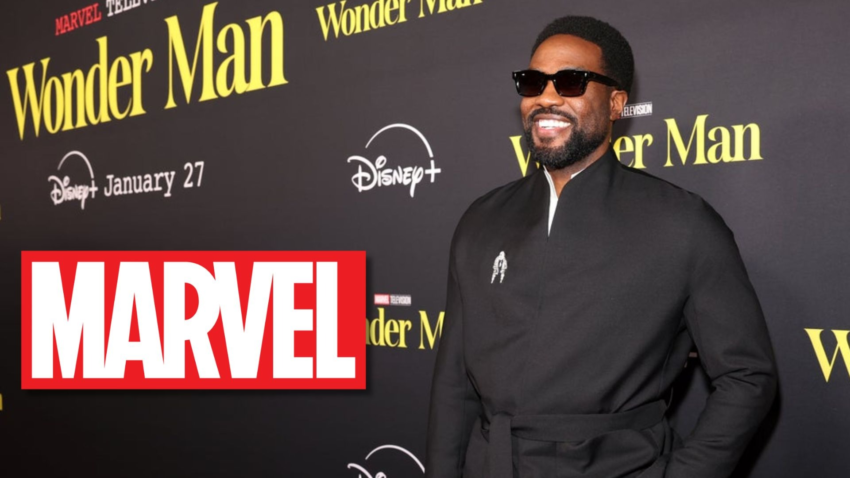
Walking the red carpet no longer signals arrival—it confirms momentum that audiences already validated. Many OTT stars reach cultural relevance before industry recognition, reversing the traditional order of celebrity legitimacy.
This shift has also diversified whose stories—and whose faces—receive mainstream attention.
Career Flexibility in the Streaming Era
Streaming has quietly reduced the career risk once associated with typecasting. Actors move fluidly between:
- Limited series
- Films
- Network television
- Voice work
- International productions
Because streaming audiences are accustomed to variety, transitions feel natural rather than confusing. An actor known for a serious drama can pivot to comedy or genre storytelling without resetting their public identity.
This flexibility makes OTT-era celebrity more sustainable, especially for performers outside traditional Hollywood archetypes.
Data Signals Behind the Cultural Shift
Several measurable trends reinforce OTT’s role in reshaping celebrity:
- Parrot Analytics reports that streaming originals account for over 60% of demand for scripted TV in the U.S.
- IMDb STARmeter rankings increasingly feature streaming-first actors.
- Social media followings for OTT stars often spike mid-season, not post-release, indicating organic audience growth.
These signals suggest that celebrity is now built during consumption—not after marketing cycles conclude.
How Social Media Complements, Not Creates, OTT Fame
While social platforms amplify visibility, OTT stardom usually precedes virality. The sequence typically looks like this:
- Audience engagement through a series
- Character-driven discussion online
- Media coverage and interviews
- Red carpet and awards visibility
This order matters. It keeps fame anchored in performance rather than personality alone. As a result, OTT celebrities often maintain credibility longer than influencers who reverse that sequence.
The Global Feedback Loop
OTT platforms operate globally, but celebrity still localizes. U.S. audiences may discover actors through international series, while American performers gain overseas followings without traditional export strategies.
This feedback loop broadens celebrity identity. Actors are no longer defined solely by domestic box office performance but by cross-cultural relevance—a key reason OTT stars often feel more contemporary and globally literate.
What This Means for the Future of Celebrity Culture
The streaming model favors:
- Consistency over spectacle
- Narrative depth over instant fame
- Audience trust over mass exposure
Celebrity is becoming less about being seen everywhere and more about being seen meaningfully. Red carpets remain symbolic, but they now reflect audience validation rather than industry gatekeeping.
Frequently Asked Questions
1. Why do OTT celebrities feel more relatable than movie stars?
Because viewers spend more time with them through serialized storytelling, creating familiarity and emotional investment.
2. Can web series really lead to mainstream fame?
Yes. Many U.S. actors transition from web series to major awards and film roles after building strong audience followings.
3. Are OTT stars replacing traditional Hollywood celebrities?
Not replacing, but redefining the ecosystem. Both coexist, with streaming reshaping pathways.
4. Do streaming platforms lower barriers for new actors?
They reduce some barriers by diversifying content needs, but competition remains high.
5. Why do OTT performances dominate awards now?
Because long-form storytelling allows for deeper character work, which resonates with voters.
6. Is social media necessary for OTT celebrity success?
Helpful, but not essential. Performance remains the primary driver.
7. How fast can OTT fame happen?
Faster than traditional routes, often within a single season, but sustainability depends on follow-up work.
8. Are OTT celebrities more globally recognized?
Often yes, due to simultaneous international distribution.
9. Will red carpets still matter in the future?
Yes, but more as cultural milestones than gatekeeping tools.
When Recognition Follows Connection
OTT has reshaped celebrity by placing connection before visibility. Performers earn recognition through sustained storytelling rather than momentary exposure. Red carpets still matter—but they now follow audience trust, not precede it. In a streaming-first world, celebrity is quieter, deeper, and more resilient.
Key Signals Worth Noticing
- Streaming builds familiarity faster than film
- Audience trust now precedes industry validation
- OTT careers allow greater creative mobility
- Red carpets reflect momentum, not permission
- Celebrity longevity increasingly depends on narrative depth