
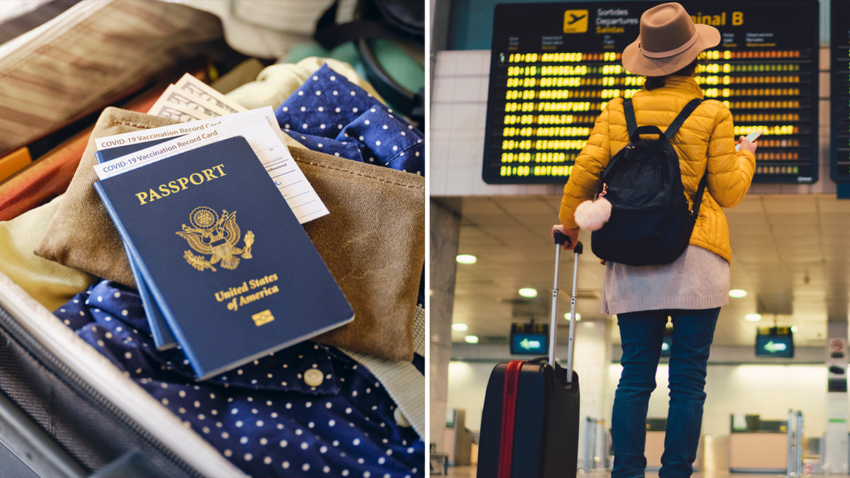
A major passport shift is reshaping how Americans plan international travel. From the sudden closure of passport application services at libraries to new ETA and ETIAS entry requirements, U.S. travelers are facing delays and stricter rules that require advanced planning. This article explores the changes, offers practical advice, and answers the most pressing questions Americans are asking about their passports and travel.
Why U.S. Travelers Are Rethinking Their Plans
In 2025, American travel habits have shifted dramatically. The U.S. State Department recently ended passport application services at nonprofit libraries, a service many Americans had relied on for decades. At the same time, stricter entry requirements across Europe and the UK and the declining power of the U.S. passport are prompting travelers to rethink itineraries, travel timing, and planning strategies.
Key Factors Driving Travel Changes
- Passport Processing Delays – Libraries nationwide previously served as local passport acceptance points. Their closure has caused longer waits at official passport agencies, affecting both first-time and renewing applicants.
- New Entry Systems Abroad – The UK now requires an ETA (Electronic Travel Authorization) for U.S. travelers, while Europe’s ETIAS system will be mandatory starting in late 2026.
- U.S. Passport Strength Decline – According to the Henley Passport Index, the U.S. passport fell to 12th place globally, reducing the number of destinations Americans can enter without a visa.
- Potential Dual Citizenship Restrictions – A proposed rule could cause Americans with dual citizenship to lose their passports if the government deems the citizenship incompatible with new regulations.
These factors collectively explain why many Americans are rethinking travel plans, application timing, and destination choices.
The Most Impactful Passport Change: Library Closures
While multiple passport-related changes are occurring, the closure of library passport services is having the most immediate impact.
What Travelers Need to Know
- Thousands of nonprofit libraries nationwide previously provided accessible, local passport services.
- The State Department’s new directive prohibits these libraries from processing applications, citing federal regulations.
- Travelers must now rely on regional passport agencies or post offices, which can be farther away and have longer wait times.
Real-Life Example
Sarah, a teacher from Montana, shared her experience:
“I used to apply for my passport at the local library in under 30 minutes. Now, I have to schedule a two-hour drive to the nearest passport agency—and I might wait weeks for an appointment.”
This disruption is causing travelers to plan months in advance rather than waiting until the last minute.
Other Passport-Related Changes Affecting Americans
1. UK ETA (Electronic Travel Authorization)
- Effective immediately, Americans traveling to or transiting through the UK must obtain an ETA online before departure.
- This change affects short trips, layovers, and longer vacations.
- Travelers can apply on the official UK government portal for a nominal fee.
2. ETIAS for Europe
- Europe’s ETIAS (European Travel Information and Authorization System) is scheduled for late 2026.
- U.S. travelers will need pre-trip authorization to enter Schengen countries.
- Approval is typically fast but must be obtained before arrival, adding a new step to travel planning.
3. U.S. Passport Power Decline
- The U.S. passport now ranks 12th globally, down from its previous top-10 position.
- Americans now have visa-free access to 180 destinations, meaning some trips that were once straightforward now require visas or pre-authorizations.
- This change affects long-haul trips, Europe, Asia, and even some Caribbean destinations.
4. Proposed Dual Citizenship Restrictions
- A potential rule could strip U.S. passports from Americans with dual citizenship under certain conditions.
- While not yet law, this proposal has already sparked concern among travelers with multiple nationalities.
FAQs: 10 Questions Americans Are Asking About Passport Changes
1) Why are U.S. libraries no longer processing passports?
The State Department cited federal regulations prohibiting nonprofit organizations from collecting passport fees, forcing library closures. (AP News)
2) How long will passport processing take now?
Wait times are expected to increase. Experts recommend applying 6–12 months before travel, especially during peak seasons.
3) Do I need an ETA or ETIAS with my U.S. passport?
Yes — the UK ETA is required immediately, and the ETIAS for Europe will take effect in late 2026. Both must be obtained online before travel.
4) Is the U.S. passport losing global power?
Yes, it dropped to 12th place on the Henley Passport Index, limiting visa-free access to certain destinations. (Henley & Partners)
5) Could I lose my passport if I have dual citizenship?
A proposed rule could remove passports from dual citizens deemed incompatible with new regulations, though it is not yet law.
6) Will biometric checks affect travel?
Yes, Europe and other regions are introducing biometric entry/exit systems, requiring facial recognition and fingerprint scans linked to passports.
7) Are passport photo requirements changing?
Global biometric standards are stricter; photos cannot be AI-edited or heavily filtered, or the application may be rejected. (VisaPics.org)
8) How does REAL ID interact with passports?
REAL ID is separate, but a passport remains the strongest form of ID for domestic flights and international travel.
9) Can airlines deny boarding if my passport doesn’t meet new rules?
Yes — airlines enforce passport validity, blank page requirements, and photo compliance. Noncompliance may result in denied boarding.
10) Will cruise travel be affected?
Yes, most international cruises require passports. Only “closed-loop” cruises may allow travel without a passport, but even these could face stricter checks.
Practical Tips for U.S. Travelers
- Apply early — aim for at least 6 months in advance to avoid delays.
- Check photo requirements carefully — adhere to strict biometric standards.
- Monitor ETA/ETIAS changes — plan ahead for Europe and UK trips.
- Stay informed — sign up for State Department alerts and trusted travel news sources.
- Use official channels — apply via U.S. passport agencies, post offices, or authorized acceptance facilities.
Real-Life Stories From Travelers
- First-time traveler Emily from California experienced frustration when her local library could no longer accept passport applications, forcing her to drive three hours to a regional agency. She learned the hard way to plan six months ahead.
- Business traveler Mark from New York now applies for ETIAS authorization in advance to ensure smooth entry to Europe for work trips. He highlights the importance of tracking deadlines to avoid canceled meetings.
These stories illustrate how seemingly small bureaucratic shifts have real consequences for American travelers.
How to Plan Ahead
- Audit your passport — check expiration dates and eligibility for renewal.
- Research entry requirements — each country has unique rules, including visas, ETAs, or biometrics.
- Set reminders — passport renewal applications, ETIAS, or UK ETA applications should be submitted well in advance.
- Budget extra time — account for processing delays, mail times, and appointment scheduling.
- Leverage travel agents or concierge services — they can navigate new rules and streamline your applications.
Conclusion
The recent U.S. passport changes are more than bureaucratic updates — they represent a paradigm shift in how Americans approach international travel. The closure of library passport services, stricter entry requirements, declining passport power, and proposed dual citizenship rules all converge to impact planning, timing, and destination choice. By staying informed, applying early, and following best practices, U.S. travelers can adapt and continue to enjoy seamless international experiences.
Americans are learning that careful preparation, awareness, and compliance with new rules are now essential parts of travel planning.