
Summary
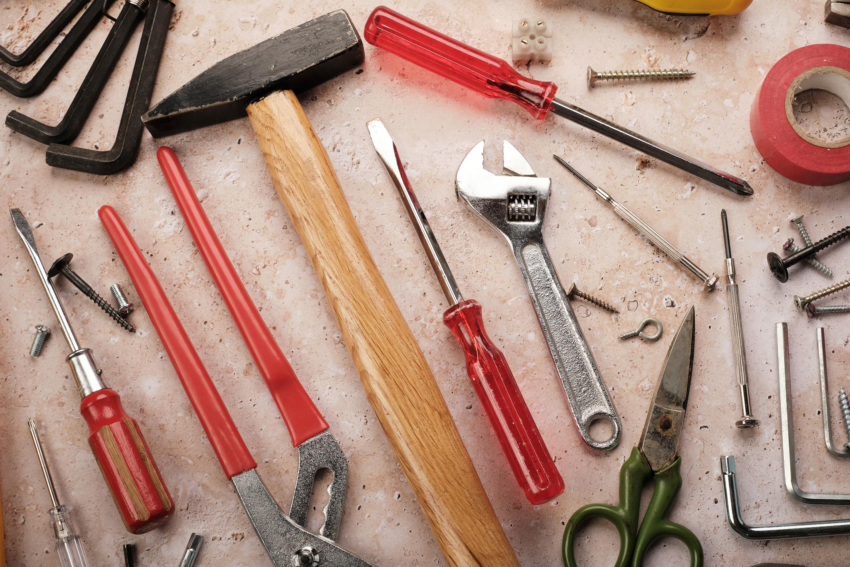
Most DIY success comes from using the right tools—not owning every tool. This guide breaks down the essential tools most American homeowners actually need, explains which tools are often unnecessary, and shows how smart choices save money, space, and frustration while delivering better long-term results.
Why Tool Choices Matter More Than Most DIYers Expect
DIY projects fail less often because of poor effort and more often because of poor tool decisions. Homeowners frequently overspend on specialized tools they rarely use while overlooking versatile essentials that make everyday tasks safer, faster, and more accurate.
According to industry data from the Home Improvement Research Institute, over 65% of DIY tool purchases are used fewer than three times. That statistic explains why garages fill up quickly while projects still feel harder than they should.
Smart DIY isn’t about owning more tools—it’s about owning the right ones.
The Core DIY Tool Kit Most Homes Actually Need
For the vast majority of household projects—repairs, upgrades, basic woodworking, and light remodeling—a relatively small group of tools covers most needs.
A Reliable Measuring and Layout Setup
Accuracy is the foundation of good DIY work. Poor measurements lead to wasted materials, uneven finishes, and rework.
A practical setup includes:
- A 25-foot locking tape measure with clear markings
- A 6-inch combination square for squareness and depth checks
- A standard torpedo level and a longer 24- or 48-inch level
These tools are inexpensive, durable, and used on nearly every project—from hanging shelves to cutting lumber.
A Quality Drill and Driver (Not a Dozen Power Tools)
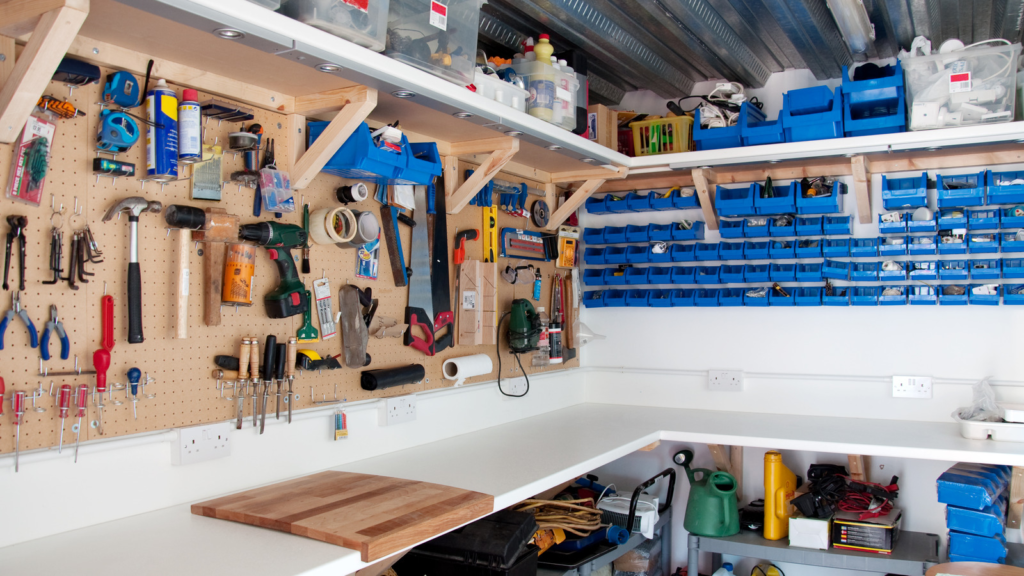
For most homeowners, a single cordless drill/driver handles:
- Drilling pilot holes
- Driving screws
- Light masonry work (with proper bits)
A mid-range 18V or 20V system is sufficient. Professional contractors often emphasize that torque control and battery reliability matter more than raw power.
Real-world tip: Many stripped screws and cracked boards come from overpowered tools used without adjustable clutch settings.
Hand Tools That Earn Their Keep
Some hand tools never go out of style because they solve problems power tools can’t.
Essential hand tools include:
- A 16-ounce claw hammer
- A basic screwdriver set or multi-bit driver
- Adjustable wrench and locking pliers
- Utility knife with replaceable blades
These tools handle 80% of quick household fixes without setup time or noise.
Cutting Tools That Cover Most Materials
Rather than owning multiple saws, focus on flexibility.
For most DIYers:
- A compact circular saw handles lumber, plywood, and trim
- A quality handsaw is invaluable for small or awkward cuts
Miter saws and table saws are excellent—but only when projects justify them.
Safety Gear That Should Never Be Optional
Safety equipment is often overlooked because it doesn’t feel “productive.” In reality, it protects your ability to keep working.
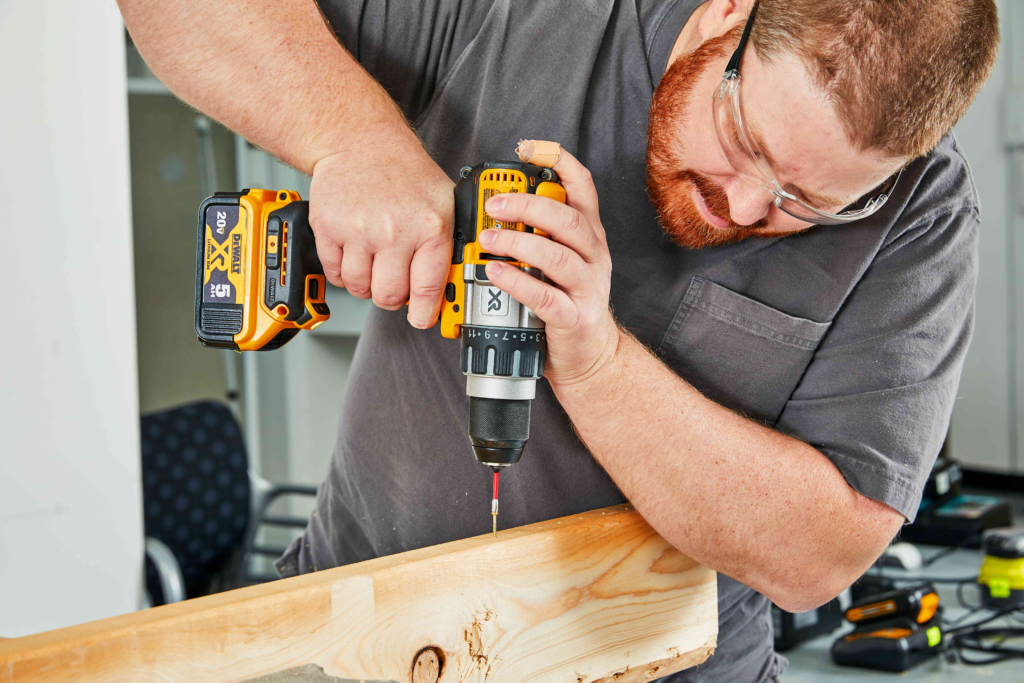
At minimum, every DIY setup should include:
- ANSI-rated eye protection
- Hearing protection
- Work gloves appropriate to the task
Emergency room data consistently shows that eye and hand injuries are among the most common DIY-related accidents—and most are preventable.
Tools Many DIYers Buy Too Early—or Don’t Need at All
Some tools look impressive but rarely justify their cost for average homeowners.
Specialized Power Tools With Narrow Use
Tools like biscuit joiners, benchtop mortisers, or oscillating belt sanders are excellent for specific trades—but unnecessary for occasional DIY work.
If a tool:
- Solves only one problem
- Requires advanced setup
- Has limited resale value
…it’s often better borrowed or rented.
Large Shop Equipment Without Space or Workflow
Table saws, full-size air compressors, and stationary sanders require space, dust control, and consistent use.
Without proper workflow:
- Setup time exceeds work time
- Accuracy suffers
- Storage becomes a problem
Many homeowners discover these tools become obstacles rather than assets.
Low-Quality Tool Kits That Create False Savings
Budget tool kits with dozens of pieces often fail quickly. Worn tips, misaligned parts, and poor tolerances lead to frustration and mistakes.
Experienced DIYers consistently recommend:
- Fewer tools
- Better construction
- Incremental upgrades
Long-term value almost always beats short-term savings.
How to Decide Whether a Tool Is Worth Buying
Before purchasing any tool, experienced builders ask three practical questions.
How Often Will I Use This in the Next Two Years?
If the honest answer is “once,” renting or borrowing is usually smarter. Tool rental costs are often a fraction of purchase price.
Does This Tool Replace Multiple Others?
Multi-use tools earn priority. A drill with the right attachments replaces several single-purpose tools and reduces clutter.
Will This Improve Accuracy, Safety, or Speed?
If a tool doesn’t clearly improve at least one of these, it’s rarely essential.
Renting, Borrowing, and Sharing: The Overlooked DIY Strategy
Tool libraries, hardware store rentals, and neighbor sharing are increasingly common across the U.S.
Benefits include:
- Access to professional-grade tools
- No maintenance or storage
- Reduced upfront costs
This approach allows DIYers to tackle advanced projects without permanent investment.
Common Tool Myths That Cost Homeowners Money
Many purchasing decisions are driven by assumptions rather than experience.
- Myth: More power equals better results
- Myth: Professionals use dozens of tools per job
- Myth: Cheap tools are “good enough” for beginners
In reality, professionals rely on mastery and consistency—not quantity.
Frequently Asked Questions
1. What tools should every homeowner own?
At minimum: a drill, tape measure, level, hammer, screwdriver set, adjustable wrench, and safety gear.
2. Is it better to buy corded or cordless tools?
Cordless tools offer flexibility and convenience for most home projects, while corded tools make sense for stationary or heavy-duty use.
3. Are tool bundles a good value?
Only when the tools included match your actual needs. Avoid buying bundles for tools you won’t use.
4. How much should a beginner spend on tools?
Many effective starter kits can be built gradually for under $300 by prioritizing quality essentials.
5. What tools are best rented instead of owned?
Tile saws, floor sanders, large demolition tools, and specialty cutting equipment.
6. How do I know if a tool is good quality?
Look for solid materials, tight tolerances, strong warranties, and consistent user reviews from experienced DIYers.
7. Is buying used tools a good idea?
Yes—especially for hand tools and lightly used power tools from reputable brands.
8. Do expensive tools make DIY easier?
Only when the tool matches the task. Skill and planning matter more than price.
9. How should tools be maintained?
Clean after use, store dry, replace worn parts, and keep cutting tools sharp.
A Smarter Way to Build Your DIY Tool Collection
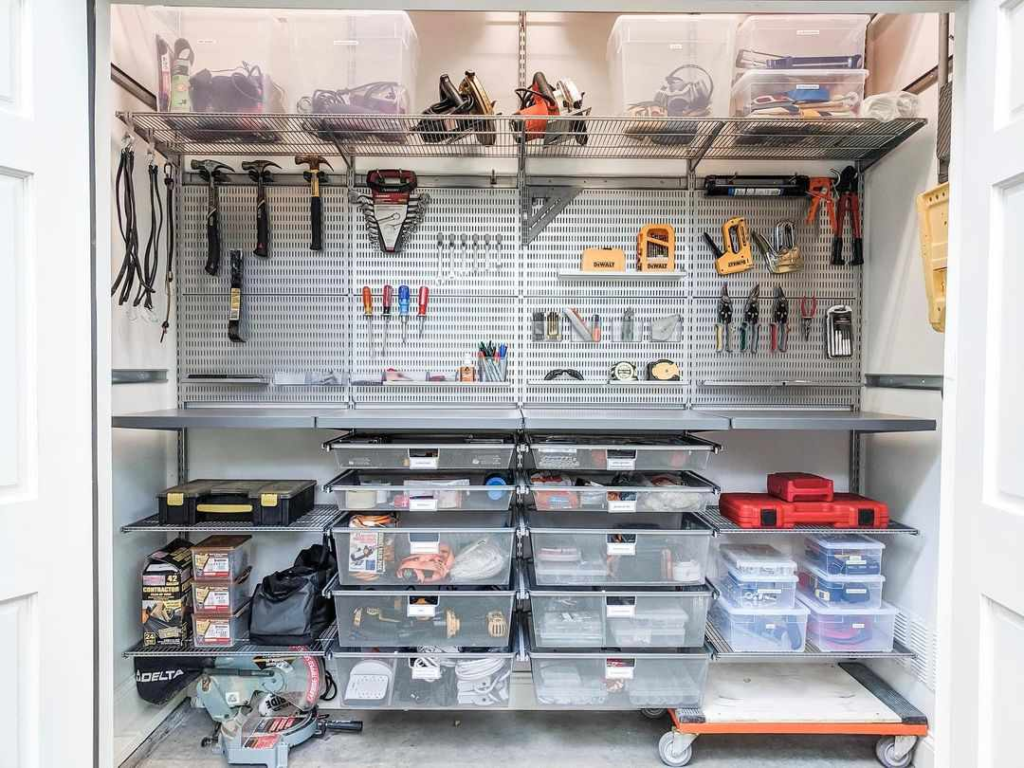
The most effective DIY setups grow gradually. They respond to real needs, real projects, and real experience. By focusing on versatile, reliable tools—and resisting the urge to overbuy—you’ll spend less, work safer, and get better results over time.
DIY success isn’t about having everything. It’s about having enough.
At a Glance: Tool Decisions That Pay Off
- Buy tools that solve multiple problems
- Rent specialized equipment
- Invest in accuracy and safety first
- Upgrade only when experience demands it