
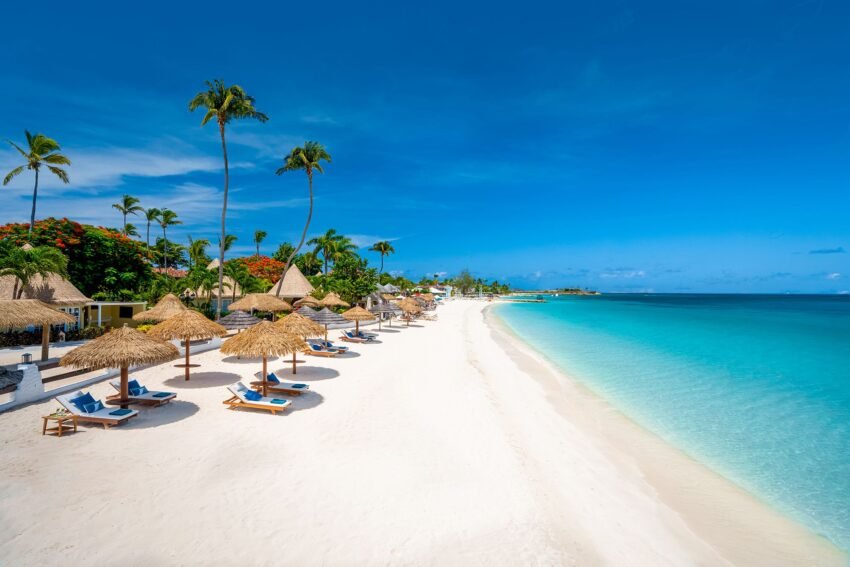
While beach vacations remain popular, many Americans are shifting toward cooler climates, mountain towns, cultural cities, and outdoor-focused regions that offer depth beyond sun and sand. Driven by rising coastal costs, climate concerns, and evolving travel preferences, this trend reflects a broader desire for meaningful, flexible, and experience-rich trips across the United States.
Why Some Travelers Are Rethinking the Beach Vacation
For decades, destinations like Miami, Cancún, and Myrtle Beach dominated American vacation planning. Sun, surf, and predictability made beach trips an easy choice.
But recent travel patterns suggest subtle shifts. According to the U.S. Travel Association, domestic travel demand remains strong, yet travelers increasingly prioritize experiences tied to nature, culture, and local identity over purely relaxation-focused trips.
Several factors are influencing decisions:
- Rising accommodation costs in traditional beach markets
- Increased summer heat and extreme weather events
- Growing interest in national parks and outdoor recreation
- A desire for less crowded destinations
- Remote work flexibility enabling off-season travel
Americans aren’t abandoning beaches altogether. Instead, many are broadening their idea of what a restorative vacation looks like.
Mountain Towns With Year-Round Appeal
Mountain destinations once associated primarily with ski season are now drawing summer and shoulder-season visitors seeking milder temperatures and outdoor access.
Bozeman
Located near Yellowstone National Park, Bozeman combines hiking, fly fishing, and a growing culinary scene. Summer temperatures often remain cooler than coastal Southeast destinations, making it attractive during peak heat months.
Visitors frequently cite:
- Access to public lands
- Walkable downtown districts
- Farm-to-table dining
- Outdoor recreation without resort density
Bend
Bend offers mountain biking, river floating, and high desert landscapes. Unlike high-rise beach corridors, its scale feels manageable. Many travelers opt for short-term rentals near trail systems rather than oceanfront condos.
Mountain towns provide active itineraries rather than passive beach days. For families and multi-generational groups, that flexibility matters.
National Park Gateways Over Coastal Resorts
National parks continue to see strong visitation. The National Park Service reports hundreds of millions of recreation visits annually, underscoring the growing appeal of nature-based travel.
Instead of beachfront hotels, Americans are booking lodges near parks such as:
- Acadia National Park
- Arches National Park
- Glacier National Park
These destinations offer structured activities—guided hikes, ranger programs, scenic drives—that engage visitors throughout the day.
Practical considerations also play a role. While beachfront property prices have risen in many coastal regions, lodging near secondary park entrances or gateway towns can offer cost variability depending on timing.
Travelers increasingly ask:
- Is a national park trip cheaper than a beach vacation?
- What’s the best alternative to Florida beaches in summer?
- Where can I vacation without extreme heat?
In many cases, mountainous or northern destinations provide answers.
Cultural Cities Without Oceanfront Premiums
Urban destinations with strong cultural infrastructure are drawing travelers who might once have defaulted to coastal relaxation.
Santa Fe
Santa Fe blends art galleries, adobe architecture, and desert landscapes. Its elevation keeps temperatures cooler than many low-lying desert regions.
Visitors spend days exploring museums, local markets, and nearby hiking trails rather than sitting poolside.
Charleston
Although Charleston is coastal, many visitors focus less on beaches and more on historic districts, culinary tourism, and architecture.
This reflects a broader shift: travelers want immersion in local culture, not simply a coastline backdrop.
Lake Regions as a Coastal Substitute
Freshwater destinations are increasingly positioned as alternatives to ocean beaches.
Lake Tahoe
Straddling California and Nevada, Lake Tahoe offers water access, hiking trails, and alpine scenery without saltwater conditions. The area appeals to travelers seeking scenery and recreation without the dense development found in some coastal resort towns.
Door County
Often described as a Midwest summer retreat, Door County blends shoreline views with small-town character. Visitors enjoy lighthouses, local cherry orchards, and slower-paced itineraries.
Lakes offer swimming, kayaking, and boating—similar to beaches—but often with lower humidity and distinct seasonal charm.
Cooler-Climate Escapes During Peak Heat
Rising summer temperatures across southern coastal states have influenced planning decisions.
Northern destinations such as Bar Harbor and Traverse City are seeing consistent summer demand. Travelers seeking comfortable daytime temperatures often compare climate averages before booking.
Climate awareness is becoming part of mainstream travel research.
What Travelers Say They Value Now
Surveys and industry reporting suggest Americans increasingly prioritize:
- Walkable town centers
- Outdoor recreation access
- Local food and small businesses
- Scenic diversity
- Fewer crowds
Beach vacations remain appealing for simplicity. However, travelers are seeking environments where multiple interests—nature, food, culture, wellness—can coexist in one trip.
Practical Planning Considerations
If you’re considering an alternative to a traditional beach vacation, keep these in mind:
Evaluate seasonal patterns carefully.
Mountain towns can be expensive during peak foliage or ski seasons.
Book park reservations early.
Some national parks require timed-entry passes during high demand.
Compare total trip costs.
Include airfare, car rental, lodging, park fees, and dining.
Research weather variability.
Higher elevations can bring rapid weather changes even in summer.
Support local communities responsibly.
Follow Leave No Trace principles and respect residential neighborhoods.
Frequently Asked Questions
1. Why are Americans choosing mountains over beaches?
Cooler temperatures, outdoor activities, and less commercial density are common reasons.
2. Are beach vacations becoming too expensive?
In certain markets, rising lodging costs and seasonal demand have increased overall trip budgets.
3. What are good alternatives to Florida beaches in summer?
Mountain towns, northern lakes, and national park gateways offer cooler climates.
4. Are national parks crowded?
Some are during peak months, but shoulder-season travel can reduce congestion.
5. Is a lake vacation cheaper than a beach trip?
Costs vary by region, but inland destinations may offer broader lodging options.
6. What destinations combine culture and nature?
Cities like Santa Fe offer both architectural heritage and hiking access.
7. Are mountain vacations good for families?
Yes, especially when itineraries include age-appropriate outdoor activities.
8. How far in advance should I book?
For summer travel, three to six months ahead is often advisable.
9. Do these destinations require more planning than a beach trip?
They may involve activity scheduling, but offer greater itinerary flexibility.
10. Is climate change influencing travel decisions?
Weather variability and extreme heat are increasingly factored into planning.
The Broader Meaning of the Shift
This trend reflects more than a change in scenery. It signals evolving priorities.
Americans are redefining leisure as active, educational, and community-connected. A vacation might now include guided hikes, farmers market visits, museum stops, and regional food tours—alongside scenic landscapes.
Beaches still offer simplicity and familiarity. But for many travelers, variety, climate comfort, and cultural immersion now shape decision-making.
When the Coast Isn’t the Only Answer
Traditional beach vacations remain a staple of American travel. Yet the growth of mountain towns, lake regions, national parks, and culturally rich cities shows that travelers are expanding their definition of escape.
Rather than choosing destinations solely for proximity to water, Americans increasingly prioritize experience density, seasonal comfort, and authenticity.
The result is a travel landscape that is more diverse—and more personal—than ever.
Snapshot of Today’s Travel Preferences
Local dining and small businesses matter more to travelers
Cooler summer climates are in higher demand
National park gateway towns continue gaining visibility
Cultural cities offer alternatives to resort-heavy beaches
Lakes provide water access without oceanfront pricing
Flexible itineraries are replacing all-inclusive models
Shoulder-season travel is increasing
Outdoor recreation influences booking decisions