

SUMMARY
Celebrity influence in the U.S. is steadily moving from broadcast television to digital platforms. Streaming services, social video, and creator-driven ecosystems now shape how audiences discover, trust, and engage with public figures. This shift reflects changing viewer habits, evolving economics, and a new definition of cultural relevance in a digital-first media environment.
How Celebrity Influence Traditionally Worked on Broadcast TV
For decades, broadcast television served as the primary gatekeeper of celebrity status in the United States. Appearing on a major network series, a late-night talk show, or a nationally televised awards program offered exposure that few other mediums could match. Networks controlled distribution, scheduling, and promotional reach, effectively deciding who entered the public consciousness and who remained unknown.
Celebrity influence under this model was largely one-directional. Viewers consumed content at scheduled times, discussed it afterward, and formed opinions based on carefully managed appearances. Ratings, Nielsen data, and advertiser demand dictated a celebrity’s perceived value. Fame was tied closely to visibility, and visibility depended on access to network platforms.
This system rewarded consistency and mass appeal, but it also limited diversity in storytelling and restricted who could realistically break through. As long as broadcast TV dominated attention, celebrity influence remained centralized and slow to evolve.
Why Digital Screens Began to Matter More
The shift away from broadcast TV did not happen overnight. It emerged gradually as Americans adopted smartphones, broadband internet, and on-demand viewing habits. According to Pew Research Center, younger U.S. audiences now spend significantly more time on digital video platforms than on traditional television, a trend that has accelerated over the past decade.
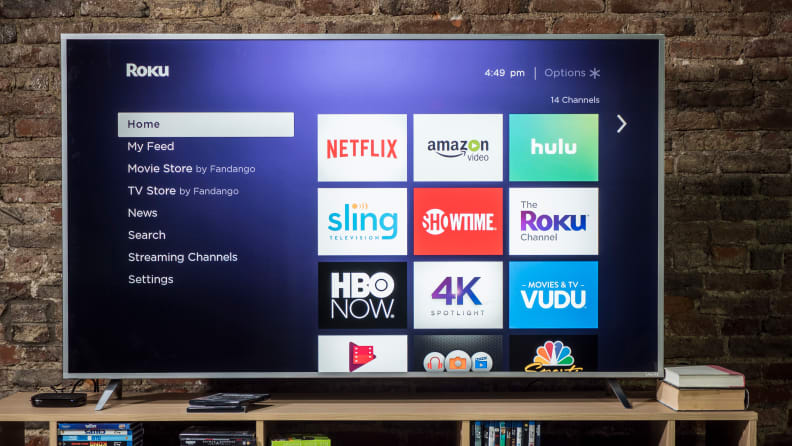
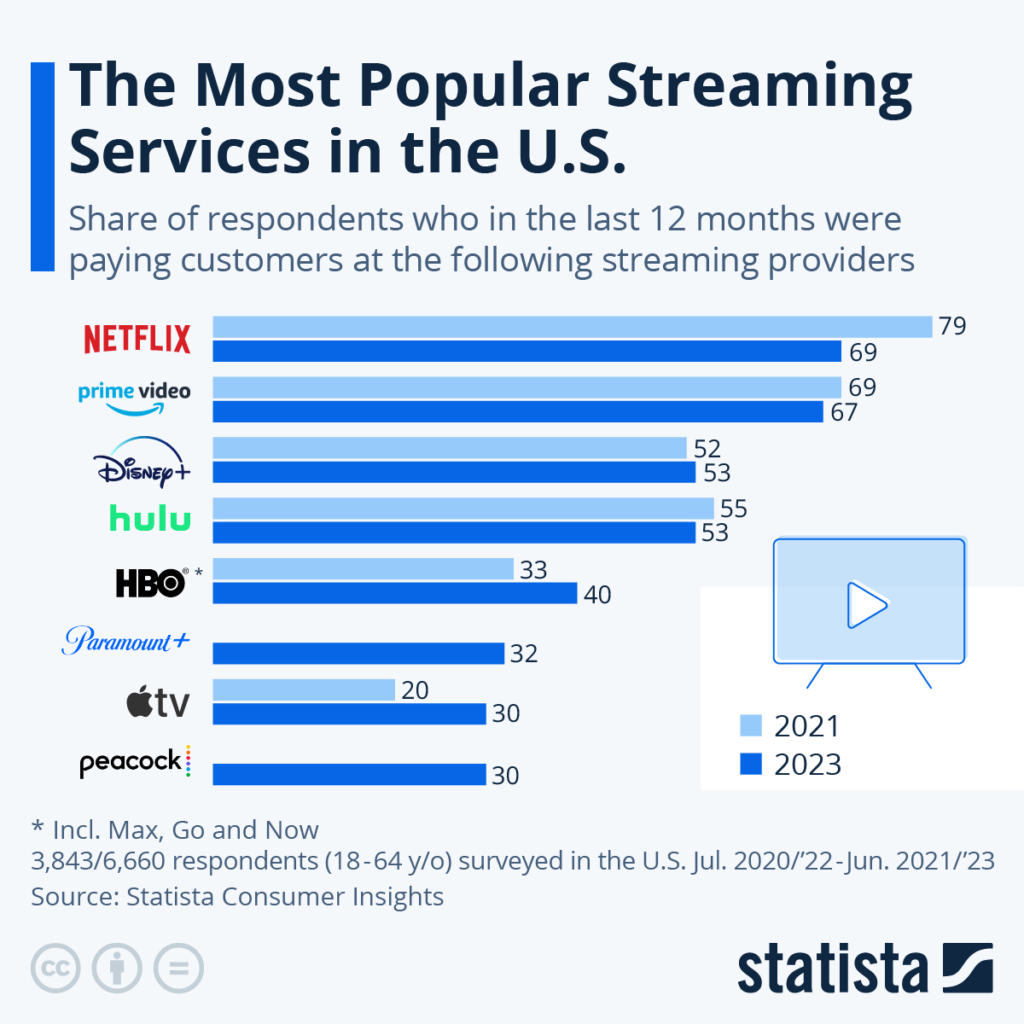
Streaming services such as Netflix and Hulu removed fixed schedules, allowing viewers to watch content on their own terms. At the same time, platforms like YouTube and TikTok made it possible for personalities to build audiences without institutional backing.
As a result, influence began to flow through engagement rather than exposure alone. Celebrities were no longer defined solely by how many people saw them, but by how deeply audiences interacted with their work, opinions, and personal narratives.
What “Celebrity” Means in a Digital-First Era
Today, celebrity influence is increasingly contextual. A streaming actor may have limited recognition among older viewers but immense credibility with younger audiences. A creator with a niche YouTube channel can drive consumer behavior more effectively than a primetime TV star, particularly in categories like technology, fitness, or personal finance.
This shift reflects a broader cultural change. Americans now place greater trust in perceived authenticity and expertise than in traditional fame markers. Digital platforms reward consistency, transparency, and responsiveness—qualities that are harder to convey through scripted broadcast appearances.
In practical terms, this means that influence is fragmented but more measurable. Likes, comments, watch time, and subscriber growth provide real-time signals of relevance. For brands, media outlets, and political campaigns, these signals often matter more than traditional TV ratings.
Streaming Platforms and the New Career Trajectory
Streaming television occupies a unique middle ground between broadcast and social media. It offers high production value while allowing for more creative risk. Limited series, anthology formats, and character-driven storytelling have created new opportunities for performers who may not fit conventional network molds.
Actors who gain recognition through streaming often experience a different type of influence. Their work is discovered globally, discussed online for longer periods, and revisited through algorithmic recommendations. Unlike broadcast shows that fade after a season ends, successful streaming projects can resurface years later, extending a celebrity’s cultural footprint.
This model has also shifted how success is measured. Awards matter, but sustained audience engagement and platform performance increasingly shape career momentum.
How Social Video Changed the Power Dynamic
Social video platforms altered the balance of power between media institutions and individuals. Celebrities no longer rely exclusively on press interviews or network appearances to shape their public image. They can speak directly to audiences, clarify controversies, and share behind-the-scenes perspectives in real time.
For emerging figures, this accessibility lowers the barrier to entry. A web series creator, comedian, or commentator can build influence incrementally by responding to audience feedback and refining their voice. Over time, this direct relationship fosters loyalty that broadcast exposure alone rarely achieves.
From an SEO and content strategy perspective, this shift is critical. Search behavior increasingly reflects curiosity about digital-native celebrities—how they started, what platforms they use, and why audiences connect with them.
Advertising, Monetization, and the Economics of Influence
The migration from broadcast TV to digital screens has reshaped the economics of celebrity influence. Advertisers once paid premiums for network ad slots tied to popular shows. Today, brands often prioritize influencer partnerships, native integrations, and creator-led campaigns.
Digital platforms offer more precise targeting and performance tracking. A celebrity’s influence is evaluated not only by reach but by conversion potential. Engagement metrics, audience demographics, and platform-specific analytics inform decisions that were once based on broad assumptions.
This economic shift explains why many established TV personalities actively invest in digital presences. Influence is no longer a static asset; it requires ongoing participation across platforms where audiences actually spend time.
What the Data Says About Audience Behavior
Multiple industry studies underscore this transition. Nielsen reports show steady declines in linear TV viewership among adults under 50, while digital video consumption continues to rise. Edison Research has found that Americans increasingly discover new personalities through online video rather than traditional media.
These trends suggest that celebrity influence now follows attention, not prestige. Platforms that command daily habits shape cultural relevance more effectively than those that rely on legacy status.
For media professionals, understanding this data is essential. It informs editorial planning, talent coverage, and long-term content investment strategies.
Implications for Media, Brands, and Creators
The shift from broadcast TV to digital screens carries practical implications across industries. Editorial teams must rethink how they define relevance. Brands must evaluate influence based on alignment and trust, not just name recognition. Creators must balance platform diversification with audience expectations.
Key considerations include:
- Building influence through consistent, value-driven content rather than sporadic appearances
- Prioritizing platforms that align with target demographics
- Measuring success through engagement quality, not just audience size
These principles increasingly guide decision-making in U.S. media and marketing ecosystems.

Frequently Asked Questions
1. Why is broadcast TV losing influence in celebrity culture?
Because audiences now prefer on-demand, personalized content over scheduled programming.
2. Are streaming stars more influential than TV stars?
Influence depends on audience engagement and context, not the platform alone.
3. Do younger Americans trust digital celebrities more?
Research suggests younger audiences value authenticity and direct communication.
4. Can traditional TV celebrities stay relevant digitally?
Yes, many successfully adapt by building active online presences.
5. How do brands measure digital celebrity influence?
Through engagement metrics, audience data, and conversion performance.
6. Is this shift permanent?
Current data indicates a long-term structural change in media consumption.
7. Are awards still important for influence?
They matter, but sustained engagement now carries more weight.
8. Do algorithms affect celebrity visibility?
Yes, platform algorithms significantly shape discovery and reach.
9. Can niche creators outperform mainstream celebrities?
In specific markets, niche creators often deliver stronger results.
A Redefinition Still in Progress
Celebrity influence in the United States is no longer anchored to a single screen or institution. It evolves alongside technology, audience behavior, and cultural expectations. As digital platforms continue to mature, influence will likely become even more personalized, measurable, and dynamic—reflecting not just who is seen, but who is genuinely heard.
What This Shift Ultimately Signals
- Influence follows attention, not tradition
- Engagement matters more than exposure
- Digital presence is now foundational, not optional
- Cultural relevance is increasingly audience-defined