
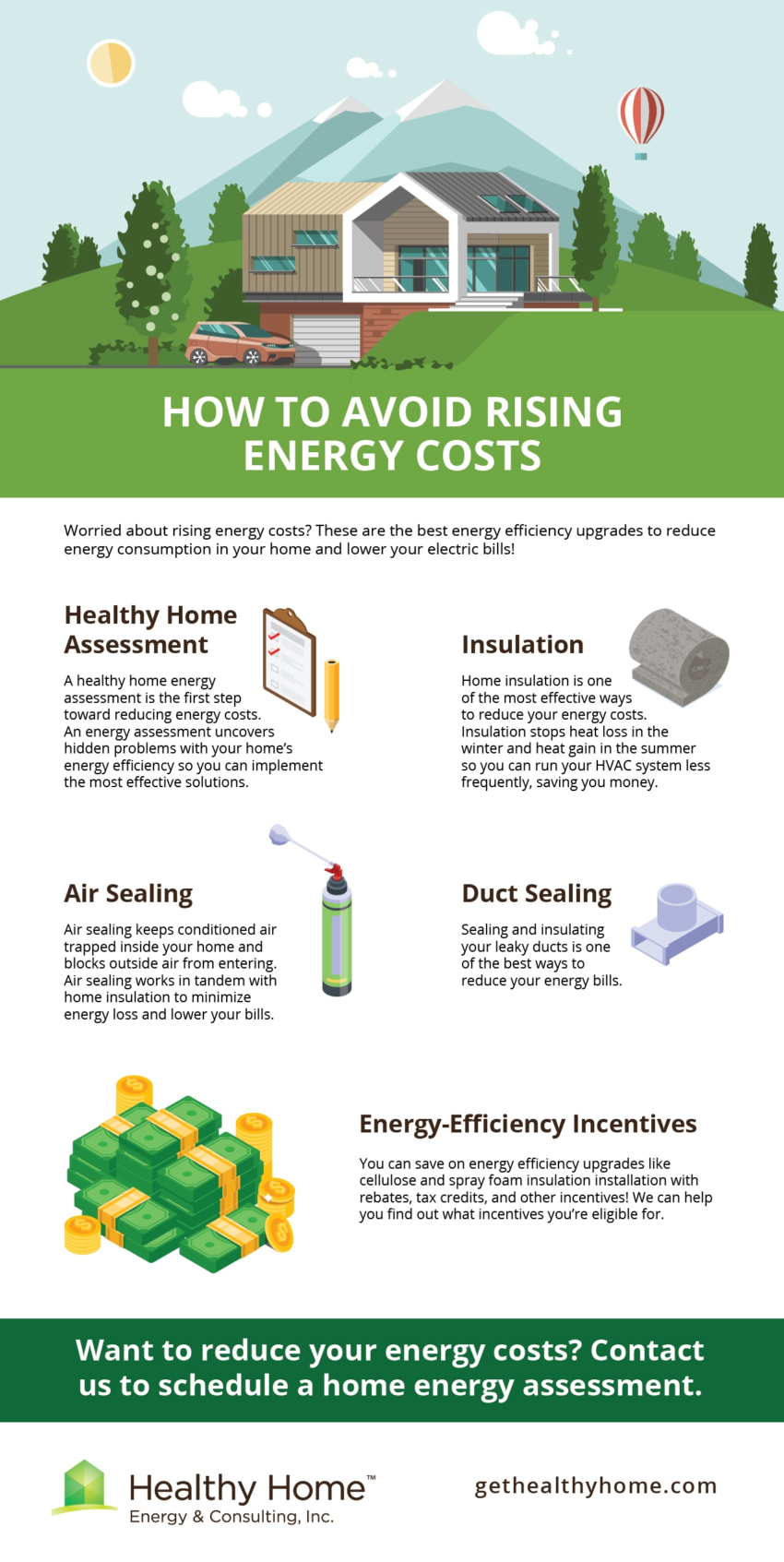
Rising utility costs have many Americans searching for practical ways to reduce energy bills without undertaking major renovations. This guide explores smart, affordable DIY upgrades—from air sealing and insulation improvements to lighting, smart thermostats, and water efficiency—that can meaningfully lower household energy use. Each recommendation is grounded in expert guidance, real-world examples, and credible U.S. energy data.
Energy costs remain a persistent concern for American households. According to the U.S. Energy Information Administration, the average U.S. household spends more than $2,000 annually on energy, with heating, cooling, and water heating accounting for the largest share. While major renovations like window replacement or full HVAC system upgrades can improve efficiency, they are expensive and often unnecessary.
For many homeowners and renters, the more practical question is: What can I do right now to reduce my energy bill without tearing apart my house?
The answer lies in targeted, strategic DIY improvements—small changes that reduce energy waste at its source.
Why Small Efficiency Upgrades Work
Homes lose energy in predictable ways: through air leaks, insufficient insulation, inefficient lighting, outdated controls, and water waste. The U.S. Department of Energy estimates that air leaks alone can account for 25–30% of heating and cooling energy use in a typical home.
That means the fastest path to savings isn’t always a new furnace. It’s preventing conditioned air from escaping in the first place.
When approached systematically, DIY energy improvements can:
- Reduce heating and cooling demand
- Improve indoor comfort
- Extend HVAC system lifespan
- Lower peak electricity usage
- Provide payback in months, not years
Below are the most impactful upgrades you can complete without major renovation.
1. Air Sealing: The Highest Return DIY Fix
If you do only one thing, make it air sealing.
Many homes—especially those built before 2000—have small cracks and gaps that allow conditioned air to escape and outside air to enter. These are commonly found around:
- Window and door frames
- Baseboards
- Attic hatches
- Plumbing and electrical penetrations
- Recessed lighting fixtures
Weatherstripping and caulking are inexpensive and widely available. A homeowner in Ohio who sealed attic penetrations and added new door sweeps reported a noticeable reduction in drafts and saw winter gas bills drop by roughly 12%.
The ENERGY STAR program notes that proper air sealing combined with insulation can reduce total energy bills by up to 20% in many homes.
The key is thoroughness. Focus especially on the attic plane—warm air rises, and attic air leaks are among the most expensive energy losses.
2. Upgrade to LED Lighting Throughout the Home
Lighting accounts for roughly 9% of residential electricity use, according to the U.S. Energy Information Administration. While that may not sound significant, replacing outdated incandescent or CFL bulbs with LEDs provides immediate and measurable savings.
LED bulbs:
- Use at least 75% less energy than incandescent bulbs
- Last up to 25 times longer
- Produce less heat, reducing cooling demand
In a typical three-bedroom home, switching 20 frequently used bulbs to LEDs can save $100–$150 annually depending on usage rates and electricity costs.
This is one of the fastest-return energy upgrades available—and it requires no tools.
3. Install a Smart or Programmable Thermostat
Heating and cooling account for nearly half of home energy use. A smart thermostat optimizes that consumption.
The U.S. Environmental Protection Agency reports that homeowners using properly programmed thermostats can save about 8% annually on heating and cooling.
The most effective use strategies include:
- Setting winter temperatures to 68°F while home
- Lowering temperatures 7–10 degrees when asleep or away
- Raising cooling setpoints during summer afternoons
Modern smart thermostats adapt to household routines and reduce unnecessary runtime. Even renters can often install one with landlord approval, as many models are easily reversible.
4. Improve Attic Insulation Where It’s Accessible
Insulation upgrades sound like a major renovation, but attic top-offs are often DIY-friendly.
Many older homes have attic insulation levels below current recommendations. The U.S. Department of Energy recommends R-38 to R-60 insulation in many U.S. climate zones.
Blown-in cellulose or fiberglass batts can be added over existing insulation without structural changes. The key considerations:
- Seal air leaks first
- Ensure proper attic ventilation
- Avoid compressing existing insulation
A modest insulation upgrade can significantly reduce heating demand in northern states and cooling loads in southern climates.
5. Seal and Insulate Ductwork
Leaky ductwork is common in homes with forced-air systems. Conditioned air can escape into attics, basements, or crawl spaces before reaching living areas.
The U.S. Department of Energy estimates that leaky ducts can reduce heating and cooling efficiency by up to 20%.
DIY-friendly solutions include:
- Sealing joints with mastic sealant (not standard duct tape)
- Insulating accessible duct runs
- Securing loose connections
Homes with ducts in unconditioned spaces see the greatest benefit.
6. Upgrade to Advanced Power Strips
Electronics consume energy even when turned off—a phenomenon known as phantom load. According to the U.S. Department of Energy, standby power can account for 5–10% of residential electricity use.
Advanced power strips automatically cut power to devices when the main device (like a TV or computer) shuts off.
These are especially useful for:
- Home office setups
- Entertainment centers
- Gaming systems
It’s a small change that reduces silent energy waste.
7. Reduce Water Heating Costs
Water heating typically accounts for about 18% of household energy use.
DIY steps that make a measurable difference:
- Install low-flow showerheads
- Add faucet aerators
- Insulate exposed hot water pipes
- Lower water heater temperature to 120°F
The U.S. Environmental Protection Agency recommends 120°F for safety and efficiency. Many water heaters are factory-set higher than necessary.
Pipe insulation alone can reduce standby heat loss and deliver faster hot water at taps.
8. Install Door Sweeps and Improve Exterior Door Seals
Exterior doors are frequent air leakage points. Adding quality door sweeps and replacing worn weatherstripping improves both comfort and efficiency.
In colder states like Minnesota or New York, homeowners often notice immediate improvement in draft reduction. This upgrade is inexpensive and requires basic tools.
9. Use Window Film and Thermal Treatments
Full window replacement is costly. Instead, consider:
- Shrink-film insulation kits in winter
- Cellular shades
- Thermal curtains
These reduce heat transfer and improve comfort near windows. While they don’t replace modern double-pane performance, they significantly reduce drafts in older homes.
10. Conduct a DIY Energy Audit
Before making upgrades, identify priorities. Many utility companies offer free or discounted home energy audit tools.
DIY audit checklist:
- Check for visible gaps and cracks
- Inspect attic insulation depth
- Review 12 months of utility bills
- Test outlets for drafts on exterior walls
- Evaluate thermostat programming
Some states offer rebates for efficiency improvements. Checking local utility incentives can improve return on investment.
Frequently Asked Questions
1. What DIY upgrade saves the most money?
Air sealing typically provides the highest return because it directly reduces heating and cooling waste.
2. Are smart thermostats worth it?
Yes, when properly programmed. Savings depend on usage patterns but average around 8% annually on HVAC costs.
3. How much can insulation really help?
In under-insulated homes, attic insulation upgrades can reduce heating and cooling loads significantly, especially in extreme climates.
4. Do LED bulbs really make a difference?
Yes. LEDs use 75% less energy than incandescent bulbs and last far longer.
5. Can renters make energy improvements?
Yes. LEDs, smart power strips, window film, and programmable thermostats are often renter-friendly.
6. How do I know if my home has air leaks?
Common signs include drafts, uneven room temperatures, and high winter heating bills.
7. Is duct sealing DIY-friendly?
Accessible duct runs can be sealed with mastic; complex systems may require professional evaluation.
8. How much does phantom load cost annually?
Standby energy can account for 5–10% of household electricity use.
9. Should I replace windows for efficiency?
Not usually as a first step. Air sealing and insulation often provide better returns.
A Smarter Path to Lower Utility Costs
Energy efficiency does not require demolition or major capital investment. The most effective improvements target waste rather than replacement. By sealing air leaks, improving insulation, upgrading lighting, optimizing thermostats, and reducing water heating demand, homeowners can create measurable reductions in energy use.
The strategy is simple: stop energy from escaping, reduce unnecessary consumption, and optimize what you already own.
Key Efficiency Moves to Remember
- Seal attic and door air leaks first
- Replace high-use bulbs with LEDs
- Program thermostats strategically
- Add insulation where accessible
- Seal and insulate ductwork
- Reduce standby electricity use
- Lower water heating demand