

Summary
Even people who follow skincare closely often make small but impactful mistakes that undermine results. From over-cleansing to misusing active ingredients, these habits can quietly damage the skin barrier. This article explains the most common missteps, why they happen, and how to correct them with practical, evidence-based guidance.
Why Skincare Knowledge Doesn’t Always Translate to Better Skin
In the U.S., skincare information is more accessible than ever. Dermatologists publish advice online, ingredient lists are transparent, and consumers regularly research products before buying. Yet many people who consider themselves “skincare savvy” still struggle with irritation, breakouts, dullness, or sensitivity.
This disconnect usually isn’t about ignorance. It’s about how good information gets misapplied in daily routines. Skincare is cumulative and contextual: how often you cleanse matters as much as what you use, and lifestyle habits quietly influence outcomes over time.
Understanding where well-informed routines commonly go wrong can help you get more value from the products you already own—and protect your skin long-term.

Mistake #1: Over-Cleansing in the Name of “Fresh” Skin
Cleansing is foundational, but many people—especially those with oily or acne-prone skin—cleanse too aggressively. This includes washing more than twice daily, using high-foaming cleansers, or combining exfoliating cleansers with other active treatments.
According to the American Academy of Dermatology, over-cleansing can strip the skin’s natural oils, disrupt the moisture barrier, and trigger increased oil production as compensation. The result often looks like persistent shine, irritation, or breakouts that don’t respond to treatment.
A practical correction is to cleanse gently, once or twice daily, using a non-stripping formula. If your skin feels tight or squeaky after washing, that’s usually a sign you’ve gone too far.
Mistake #2: Layering Too Many Active Ingredients at Once
Actives like retinoids, vitamin C, AHAs, BHAs, and niacinamide are powerful tools. The mistake isn’t using them—it’s stacking too many in the same routine or rotating them too frequently without recovery time.
Well-informed consumers often assume that if one active works, two or three must work better. In reality, this approach can overwhelm the skin barrier, leading to redness, peeling, and sensitivity that masks any long-term benefit.
A smarter strategy is to:
- Use one primary active per routine
- Separate strong actives between morning and night
- Build tolerance slowly rather than aiming for immediate results
Dermatologists frequently note that irritation reduces adherence, which ultimately reduces effectiveness.
Mistake #3: Treating Sunscreen as Optional Indoors or in Winter
Most Americans understand that sunscreen matters outdoors. Fewer apply it consistently indoors, during cloudy weather, or in colder months. This gap is especially common among people who work near windows or use exfoliating treatments.
UV exposure accumulates year-round. Research published in JAMA Dermatology shows that UVA rays penetrate glass and contribute to premature aging and pigmentation even during incidental exposure.
For daily protection:
- Use a broad-spectrum SPF 30 or higher
- Apply it every morning, regardless of plans
- Treat sunscreen as part of skincare, not just sun care
Skipping sunscreen undermines nearly every other step in a routine.
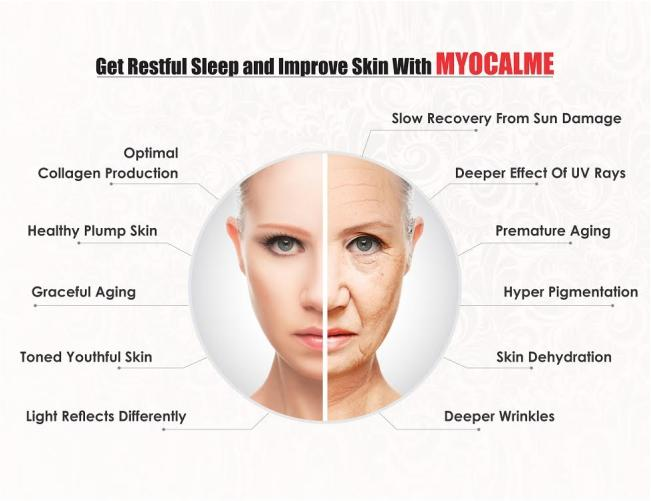
Mistake #4: Expecting Immediate Results From Long-Term Products
Even experienced skincare users can fall into the trap of impatience. Retinoids, barrier-repair creams, and pigmentation treatments work on a cellular timeline, not a marketing one.
For example, retinoids typically require 8–12 weeks for visible improvement, according to dermatological consensus. Changing products too quickly prevents the skin from adapting and often causes unnecessary irritation.
Consistency matters more than novelty. If a product is well-formulated and tolerated, giving it adequate time is often the most effective choice.
Mistake #5: Ignoring the Skin Barrier Until It’s Damaged
The concept of the “skin barrier” is widely discussed, but many routines still neglect it in practice. Signs of barrier disruption—burning, stinging, increased sensitivity—are sometimes mistaken for “purging” or normal adjustment.
A healthy barrier regulates moisture, protects against irritants, and supports healing. Overuse of exfoliants, alcohol-based toners, or frequent product switching can compromise it.
Barrier-supportive habits include:
- Using fragrance-free moisturizers
- Reducing exfoliation frequency
- Incorporating ceramides and humectants
Once the barrier is compromised, even the best actives become counterproductive.
Mistake #6: Applying Products in the Wrong Order—or on the Wrong Skin State
Product order affects absorption, yet even knowledgeable users sometimes apply products on completely dry skin when damp application would be more effective—or vice versa.
As a general rule:
- Cleanse first
- Apply water-based products to slightly damp skin
- Seal with creams or oils
Applying humectants like hyaluronic acid to dry skin in low-humidity environments can actually increase dehydration, a nuance often overlooked.
Mistake #7: Confusing “Natural” With “Gentle”
Many consumers assume botanical or natural ingredients are automatically safer. In reality, essential oils and plant extracts can be among the most common irritants, particularly for sensitive or compromised skin.
Well-informed readers often choose these products for ethical or aesthetic reasons, but dermatologists consistently caution that “natural” does not equal non-reactive.
Patch testing remains one of the most underused but effective practices, regardless of ingredient philosophy.
Mistake #8: Neglecting Lifestyle Factors That Affect Skin Daily
Even the best skincare routine cannot fully compensate for chronic sleep deprivation, unmanaged stress, dehydration, or inconsistent nutrition. Studies published in Clinical and Experimental Dermatology link poor sleep quality to accelerated skin aging and impaired recovery.
Lifestyle factors that directly influence skin include:
- Sleep duration and regularity
- Stress levels and cortisol regulation
- Hydration and protein intake
- Environmental exposure
Skincare works best when it supports—not replaces—overall health.
Mistake #9: Using Too Much Product, Too Often
More product does not mean better results. Excessive application increases the risk of irritation without improving efficacy, particularly with actives.
A pea-sized amount of retinoid, for example, is generally sufficient for the entire face. Overapplication is one of the most common causes of adverse reactions reported in dermatology clinics.
Precision and moderation matter more than abundance.

Mistake #10: Relying on Online Advice Without Personal Context
Even high-quality skincare advice is generalized. Skin type, climate, medications, and medical history all influence how products perform.
Many well-informed people follow routines designed for different skin profiles, leading to frustration. Periodic consultation with a board-certified dermatologist can help personalize care and prevent long-term issues.

Frequently Asked Questions
1. Can you damage your skin by overdoing skincare?
Yes. Overuse of actives and exfoliants can compromise the skin barrier and worsen concerns.
2. How long should I wait before judging a new skincare product?
Most treatments require at least 6–12 weeks for meaningful results.
3. Is it okay to skip moisturizer if I have oily skin?
No. Skipping moisturizer can increase oil production and irritation.
4. Does expensive skincare work better?
Price does not guarantee efficacy; formulation and suitability matter more.
5. Should I exfoliate every day?
Daily exfoliation is unnecessary for most skin types and often harmful.
6. Is purging always normal?
No. Persistent irritation is more likely a reaction than purging.
7. Do I need different skincare in different seasons?
Often yes, especially in climates with temperature and humidity shifts.
8. Can stress really affect my skin?
Yes. Stress hormones influence inflammation, oil production, and healing.
9. Should men and women use different skincare?
Not necessarily; skin type matters more than gender.
A Smarter Way to Think About Skincare Progress
The most effective skincare routines aren’t built on constant upgrades or aggressive tactics. They’re built on restraint, consistency, and respect for how skin actually functions. When well-informed people adjust habits—not just products—they often see better results with less effort and fewer setbacks.
What to Keep in Mind Going Forward
- Small daily habits matter more than occasional overhauls
- Skin health is cumulative and long-term
- Less irritation usually means better outcomes