
Summary
As American lifestyles evolve, priorities are shifting from material accumulation to meaningful connection. Cultural experiences—rooted in community, creativity, and shared identity—are playing a central role in this transition. This article explores why connection matters more than consumption today, how culture influences modern lifestyles, and what this shift looks like in everyday American life.
Introduction: Why Lifestyle Priorities Are Changing
For decades, the American lifestyle was closely tied to consumption. Economic growth, suburban expansion, and mass marketing reinforced the idea that success and happiness could be measured through ownership—larger homes, newer cars, fuller closets. While material comfort remains important, many Americans are increasingly questioning whether consumption alone delivers fulfillment.
Rising stress levels, digital saturation, and social fragmentation have prompted a reevaluation of what “living well” truly means. Cultural experiences—shared meals, local traditions, creative expression, and community participation—are emerging as anchors of meaning. Rather than replacing material needs, culture reframes lifestyle around connection, belonging, and purpose.
This shift is not ideological or extreme. It is practical, experience-driven, and visible across generations.
Understanding the Move From Consumption to Connection
At its core, this transition reflects a deeper awareness of how people want to spend their time, money, and attention. Consumption is transactional. Connection is relational.
Americans are increasingly valuing experiences that foster shared understanding—whether through neighborhood events, cultural travel, or creative collaboration. This doesn’t mean buying less across the board, but buying differently and with intention.
Several forces are shaping this evolution. Economic uncertainty has encouraged more thoughtful spending. Digital life has amplified the desire for real-world interaction. Cultural diversity has expanded access to new perspectives, cuisines, and traditions.
According to research from the Pew Research Center, younger Americans in particular place higher value on experiences that promote social connection and personal growth over purely material indicators of success. This mindset is increasingly influencing broader lifestyle norms.
Culture as a Lifestyle Framework, Not an Add-On
Culture is often misunderstood as entertainment or heritage alone. In practice, culture is how people relate to place, community, and one another. It shapes daily routines as much as special occasions.
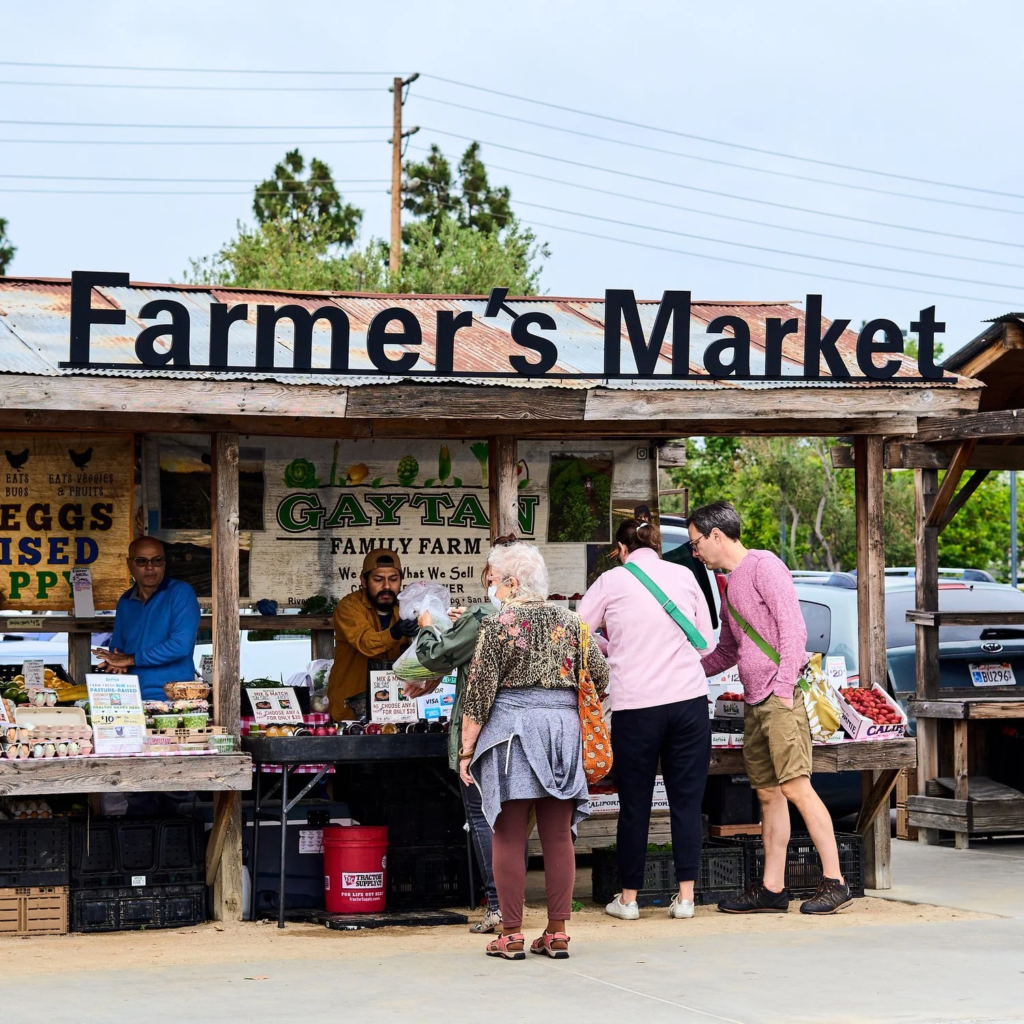
In American cities and towns, cultural engagement is becoming embedded in lifestyle choices. Farmers’ markets double as social hubs. Local art walks replace traditional shopping outings. Food festivals serve as informal classrooms for history and identity.
Rather than consuming culture passively, people are participating in it. This participation fosters a sense of agency and belonging that consumption rarely provides.
Cultural lifestyle integration often shows up through:
- Choosing local businesses that reflect community identity
- Participating in neighborhood events and traditions
- Supporting regional arts, music, and food cultures
- Learning through experience rather than instruction
These choices reinforce connection without requiring dramatic lifestyle overhauls.
Everyday Examples of Connection-Driven Living
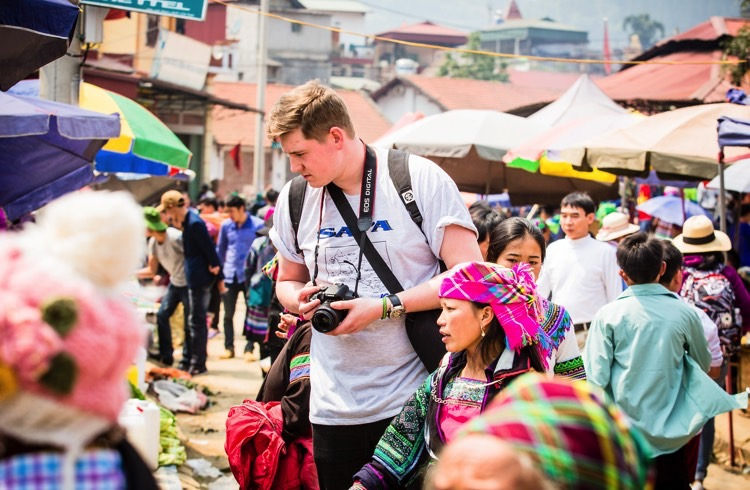
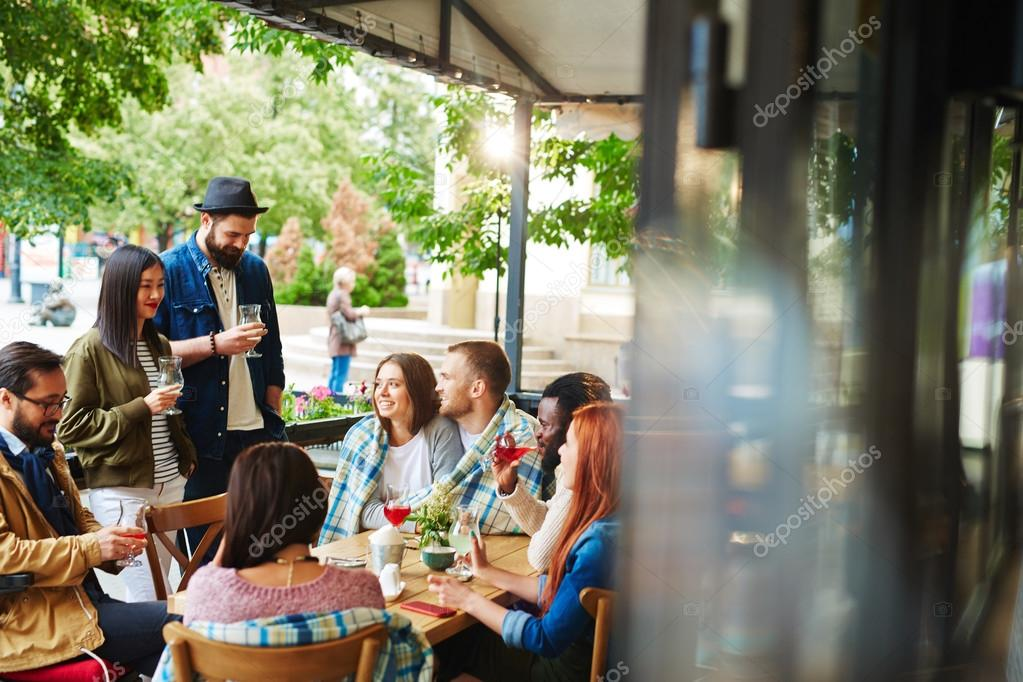
The shift toward connection is most visible in ordinary moments. Families prioritize shared meals over convenience. Friends gather around creative projects rather than screens. Travelers seek cultural immersion instead of checklist tourism.
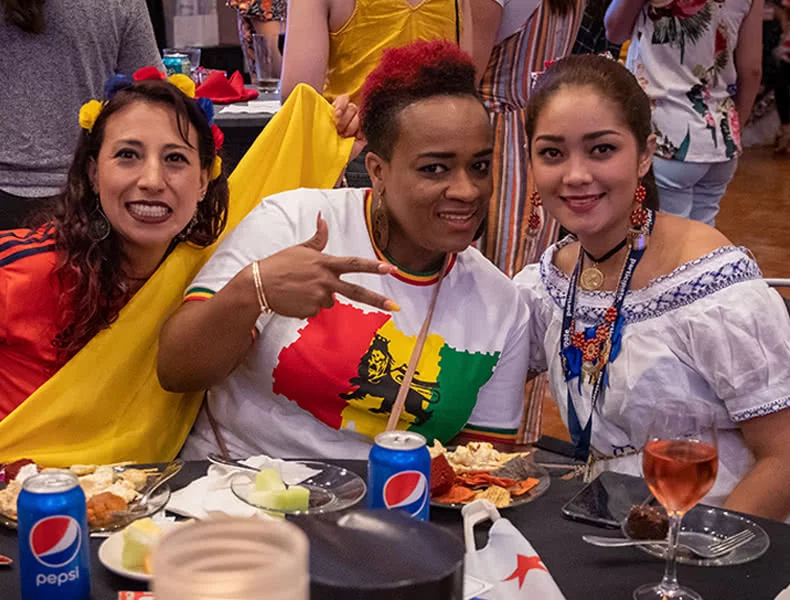
Consider how food culture has evolved. Cooking at home, hosting communal dinners, and exploring cultural cuisines are now expressions of lifestyle values. Food becomes a medium for storytelling and exchange rather than simple consumption.
Similarly, leisure time is being redefined. Americans are investing in workshops, classes, and community activities that encourage interaction. Whether it’s learning pottery, joining a local history walk, or attending cultural lectures, the goal is participation.
These patterns align with data from the U.S. Bureau of Labor Statistics, which shows increased household spending on experiences relative to certain categories of physical goods over the past decade.
How Cultural Experiences Influence Well-Being
Connection has measurable effects on well-being. Studies consistently link social engagement and cultural participation to improved mental health, reduced loneliness, and greater life satisfaction.
Cultural experiences offer structured opportunities for interaction, which is particularly valuable in an era of remote work and digital communication. They create low-pressure environments for connection without the formality of traditional social obligations.
For many Americans, cultural engagement also provides grounding. It offers continuity in times of change and a way to make sense of identity within a rapidly shifting social landscape.
Importantly, these benefits are not limited to major cities. Small towns and suburban communities are increasingly leveraging local culture—heritage festivals, regional crafts, and storytelling traditions—to strengthen social ties.
The Role of Travel in Cultural Lifestyle Shifts
Travel remains a powerful expression of the move from consumption to connection. The emphasis, however, has changed. Instead of volume and luxury, travelers are seeking depth and context.
Cultural travel focuses on understanding how people live, not just where they live. It values local knowledge, respectful participation, and long-term impact. This approach aligns with lifestyle values centered on learning and empathy.
Many Americans now plan trips around cultural calendars—harvest seasons, local celebrations, or historical commemorations. Travel becomes an extension of personal growth rather than an escape from routine.
This trend also supports local economies and preserves cultural heritage, reinforcing the reciprocal nature of connection-driven living.
Digital Life and the Search for Authentic Connection
Technology plays a complex role in this lifestyle evolution. While digital platforms can encourage overconsumption, they also enable cultural discovery and community formation.
Online access to cultural education—virtual museum tours, language exchanges, and creative communities—has expanded participation. At the same time, many Americans are intentionally balancing digital engagement with offline experiences.
The desire for authenticity has led people to seek experiences that feel grounded and human. This includes analog activities such as journaling, live music, and hands-on crafts. These practices counteract digital fatigue while reinforcing cultural connection.
The shift is not about rejecting technology but using it as a bridge rather than a destination.
Economic and Social Implications
From an economic perspective, the move toward connection reshapes how value is created. Experience-based businesses, cultural institutions, and community initiatives are becoming integral to local economies.
Socially, this shift encourages inclusivity. Cultural experiences often bring together people across age, background, and belief. Shared participation reduces polarization by emphasizing common ground.
Communities that invest in cultural infrastructure—libraries, public art, performance spaces—often see broader civic engagement. Lifestyle, in this sense, becomes a collective project rather than an individual pursuit.
How Americans Can Engage More Intentionally
Adopting a connection-driven lifestyle does not require radical change. Small, consistent choices matter most.
Practical ways to engage include:
- Attending local cultural events regularly
- Learning about regional history and traditions
- Supporting cultural creators and educators
- Prioritizing shared experiences in personal planning
These actions reinforce cultural ecosystems while enhancing personal well-being.
Frequently Asked Questions
What does “consumption to connection” mean in lifestyle terms?
It refers to prioritizing meaningful experiences and relationships over acquiring material goods.
Why are cultural experiences becoming more important to Americans?
They offer social connection, learning, and emotional fulfillment in a fragmented digital environment.
Is this shift driven mainly by younger generations?
Younger Americans are leading the trend, but it is influencing all age groups.
How does culture affect everyday lifestyle choices?
It shapes how people spend leisure time, choose food, travel, and engage with community.
Are cultural lifestyles more expensive?
Not necessarily. Many cultural experiences are low-cost or community-based.
How does this trend impact mental health?
Cultural connection is linked to reduced loneliness and improved well-being.
Can digital culture support real connection?
Yes, when used to facilitate learning and in-person engagement rather than replace it.
Is this shift temporary or long-term?
Current data suggests it reflects lasting changes in values and priorities.
How can families participate together?
Shared cultural activities such as cooking, local events, and creative projects are effective.
A Culture-Centered Way Forward
The shift from consumption to connection reflects a broader redefinition of success in American life. Culture provides the language, rituals, and shared spaces that make connection possible. As lifestyles continue to evolve, those rooted in cultural participation are proving more resilient, meaningful, and adaptable.
Key Patterns Shaping Modern Lifestyles
- Experiences increasingly valued over possessions
- Culture integrated into daily routines
- Connection driving well-being and community strength
- Intentional engagement replacing passive consumption