

Summary
Physical fitness offers benefits that go far beyond weight control or muscle tone. Research shows it influences brain health, immune resilience, sleep quality, emotional regulation, and long-term independence. This article explores the often-overlooked, science-backed ways regular movement improves daily life—especially for busy Americans balancing work, family, and health.
Rethinking Physical Fitness in Modern American Life
For many Americans, physical fitness is still framed around aesthetics or athletic performance—running faster, lifting heavier, or looking leaner. While those outcomes can be motivating, they represent only a fraction of what regular physical activity actually does for the body and mind.
Over the last two decades, research from institutions such as the CDC, NIH, and major U.S. universities has reframed exercise as a foundational health behavior. Movement now sits alongside sleep and nutrition as a core driver of longevity, cognitive health, and emotional resilience. Yet many of these benefits remain underappreciated because they unfold quietly and gradually.
Understanding these overlooked effects can change how—and why—you move.
Physical Fitness as a Regulator of Brain Health
One of the most compelling findings in exercise science is the link between physical activity and brain function. Regular aerobic movement increases blood flow to the brain, delivering oxygen and nutrients that support neural health.
Studies consistently show that moderate physical activity stimulates the production of brain-derived neurotrophic factor (BDNF), a protein associated with learning, memory, and emotional regulation. Higher BDNF levels are linked to improved focus and a reduced risk of cognitive decline later in life.
For working adults, this often shows up as clearer thinking and better task-switching rather than dramatic mental changes. A brisk walk before work or light strength training during lunch can noticeably improve afternoon concentration without caffeine.

The Immune System Benefit Most People Don’t Notice
Exercise is often promoted for heart health, but its impact on immune function is equally significant. Regular, moderate physical activity improves circulation of immune cells, allowing the body to detect and respond to pathogens more efficiently.
Research suggests physically active adults experience fewer upper respiratory infections annually and recover more quickly when illness does occur. Importantly, this benefit comes from consistency, not intensity. Excessive or extreme training can temporarily suppress immune response, while steady movement strengthens it.
For Americans navigating seasonal illnesses, travel, and workplace exposure, this immune support quietly reduces sick days and medical visits.
How Fitness Improves Sleep—Without Special Routines
Sleep problems affect nearly one in three U.S. adults. While many turn to supplements or sleep trackers, physical fitness remains one of the most effective, low-cost sleep interventions available.
Exercise helps regulate circadian rhythm by reinforcing the body’s natural sleep-wake cycle. It also reduces anxiety and physical restlessness, two common contributors to poor sleep quality.
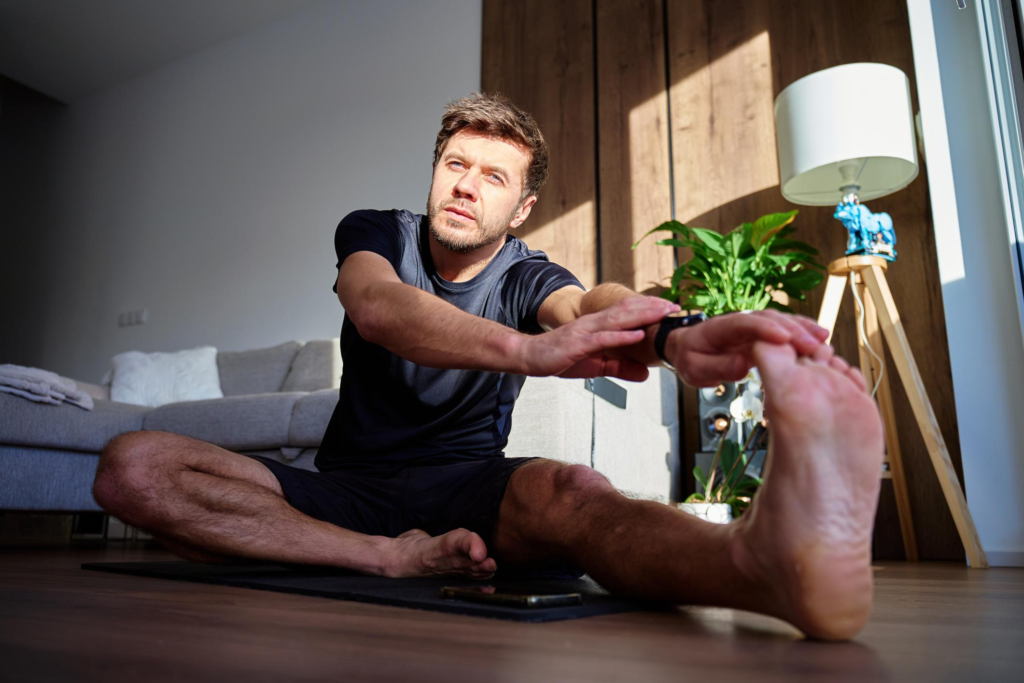
What’s often overlooked is timing. Morning or early afternoon activity tends to improve sleep onset, while gentle evening movement—like stretching or walking—can enhance sleep depth without overstimulation.
Physical Fitness and Emotional Resilience
Exercise is widely associated with mood improvement, but its deeper psychological effects receive less attention. Regular movement strengthens emotional resilience—the ability to manage stress, adapt to challenges, and recover from setbacks.
Physical activity reduces baseline cortisol levels over time, meaning everyday stressors feel less overwhelming. It also improves interoceptive awareness—your ability to sense internal body signals—which supports emotional regulation.
For parents, caregivers, and professionals juggling competing demands, this translates into calmer reactions, improved patience, and greater emotional bandwidth throughout the day.
Muscle Mass as a Metabolic Safety Net
Many adults associate muscle building with appearance or athletic goals, yet muscle tissue plays a crucial metabolic role regardless of age or body type.
Skeletal muscle acts as a glucose reservoir, helping regulate blood sugar levels and reduce insulin resistance. This is particularly relevant in the U.S., where metabolic conditions affect a significant portion of the adult population.
Even modest resistance training—two sessions per week—can improve metabolic markers and reduce long-term risk. Importantly, this applies to adults well into their 60s and 70s, supporting independence and injury prevention.
The Everyday Joint and Mobility Advantage
Fitness is often framed as high-impact activity, but joint health benefits most from controlled, consistent movement. Strength training stabilizes joints by reinforcing surrounding muscles, while mobility work maintains range of motion.
This matters most in daily tasks: climbing stairs, lifting groceries, or sitting comfortably for long periods. Adults who maintain baseline strength and mobility experience fewer aches and less reliance on pain medication over time.
Mobility-focused fitness also reduces fall risk, a leading cause of injury-related hospitalizations among older Americans.
Physical Fitness and Long-Term Independence
Perhaps the most overlooked benefit of physical fitness is its role in preserving independence. The ability to move confidently, recover from minor injuries, and maintain balance determines quality of life more than most clinical metrics.
Longitudinal studies consistently show physically active adults maintain functional capacity longer than sedentary peers. This includes:
- Walking speed and endurance
- Grip strength
- Balance and coordination
- Recovery after illness or surgery
These factors directly influence whether individuals can live independently as they age.
Why Consistency Beats Intensity for Most Americans
One of the biggest misconceptions about fitness is that it must be time-consuming or physically exhausting to be effective. Research repeatedly confirms that consistency matters more than intensity for long-term health outcomes.
Short, regular sessions accumulate benefits over time:
- Three 10-minute walks daily improve cardiovascular markers
- Two weekly strength sessions preserve muscle mass
- Light daily mobility reduces stiffness and injury risk
For busy adults, this approach makes fitness sustainable rather than disruptive.
Making Physical Fitness Fit Real Life
The most effective fitness routines are those that align with daily schedules and personal preferences. Walking meetings, home-based strength routines, recreational sports, and active commuting all count toward meaningful movement.
Rather than asking, “How much exercise should I do?” a more useful question is, “How can I move more consistently within my current routine?” This mindset shift often leads to better adherence and long-term benefits.

Frequently Asked Questions
1. How much physical activity do adults really need each week?
Most guidelines recommend at least 150 minutes of moderate activity plus two strength sessions weekly.
2. Does walking count as effective exercise?
Yes. Brisk walking improves cardiovascular health, mood, and metabolic function.
3. Can physical fitness improve mental focus at work?
Research shows regular activity enhances attention, memory, and cognitive flexibility.
4. Is it too late to start exercising after 50?
No. Benefits occur at any age, including improved strength and mobility.
5. Does strength training help with weight management?
Yes. Muscle mass supports metabolic health and energy balance.
6. How soon do fitness benefits appear?
Improvements in mood and energy often appear within weeks; structural changes take longer.
7. Is home exercise as effective as gym workouts?
Effectiveness depends on consistency, not location.
8. Can exercise reduce chronic pain?
Appropriate movement often reduces pain by improving joint support and circulation.
9. Does fitness improve immune health year-round?
Moderate, consistent activity supports immune response across seasons.
A Smarter Way to Think About Fitness Benefits
Physical fitness is not a single outcome but a system-wide investment. Its most valuable effects—mental clarity, resilience, independence, and metabolic stability—accumulate quietly through regular movement. When fitness is framed as daily maintenance rather than transformation, it becomes more achievable and more powerful over time.
What This Means for Everyday Health Choices
- Fitness supports brain, immune, and emotional health—not just muscles
- Small, consistent actions deliver meaningful long-term benefits
- Movement protects independence as much as it improves performance