
Summary
Cooking with seasonal ingredients helps home cooks improve flavor, control grocery costs, and make more confident choices in the kitchen. Seasonal foods are typically fresher, more affordable, and better suited to simple preparation. This guide explains how seasonality works in the U.S., why it matters, and how to use it practically in everyday home cooking.
Why Seasonal Ingredients Matter More Than Many Home Cooks Realize
Seasonal cooking isn’t a trend or a culinary rule reserved for chefs. In American home kitchens, it’s a practical framework that helps meals taste better while requiring less effort. Ingredients harvested closer to their peak tend to have stronger natural flavor, better texture, and fewer storage-related compromises.
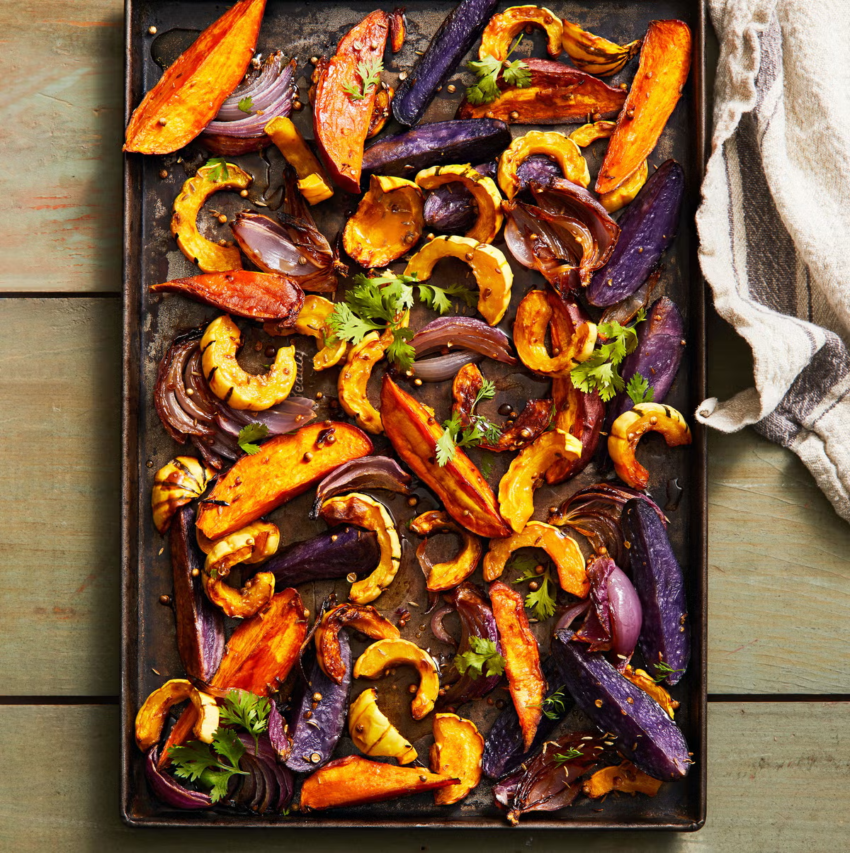
When tomatoes are in season, they don’t need heavy seasoning or complex techniques. When winter squash is harvested at the right time, its sweetness and density do most of the work. Seasonal ingredients shift the burden from the cook to the food itself.
From a grocery standpoint, seasonality also affects availability and price. The U.S. Department of Agriculture has long shown that produce grown in-season domestically tends to cost less and travel shorter distances than out-of-season imports. That translates to fresher food and more predictable quality at the store.
How Seasonality Works in the United States
The U.S. food system is expansive, but seasonality still applies—even in supermarkets stocked year-round. Most produce follows predictable domestic harvest windows, even if imports fill the gaps.
For example:
- Strawberries peak in spring and early summer in California and Florida.
- Sweet corn is most abundant mid-summer across the Midwest.
- Apples reach peak variety and quality in early fall.
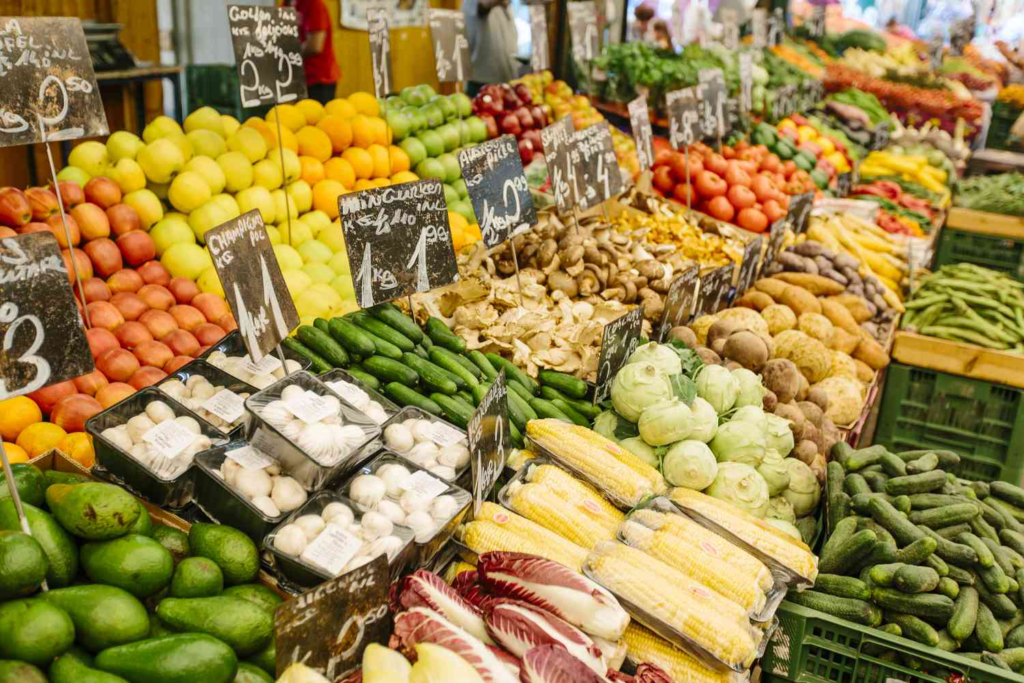
Understanding these cycles helps home cooks make smarter choices without memorizing farm calendars. A quick glance at what’s heavily featured in produce displays often reflects what’s currently abundant and affordable.
Seasonal cooking in the U.S. doesn’t require rigid rules. It simply means favoring ingredients when they’re naturally at their best and adjusting expectations the rest of the year.
Flavor Is the Most Immediate Benefit
Flavor is the most noticeable difference when cooking seasonally. Fruits and vegetables harvested at peak ripeness develop full sugars, acids, and aromatic compounds that don’t survive long storage or long-distance shipping.
In practical terms, this means:
- Summer zucchini browns better and releases less water.
- Fall greens hold up better to roasting and sautéing.
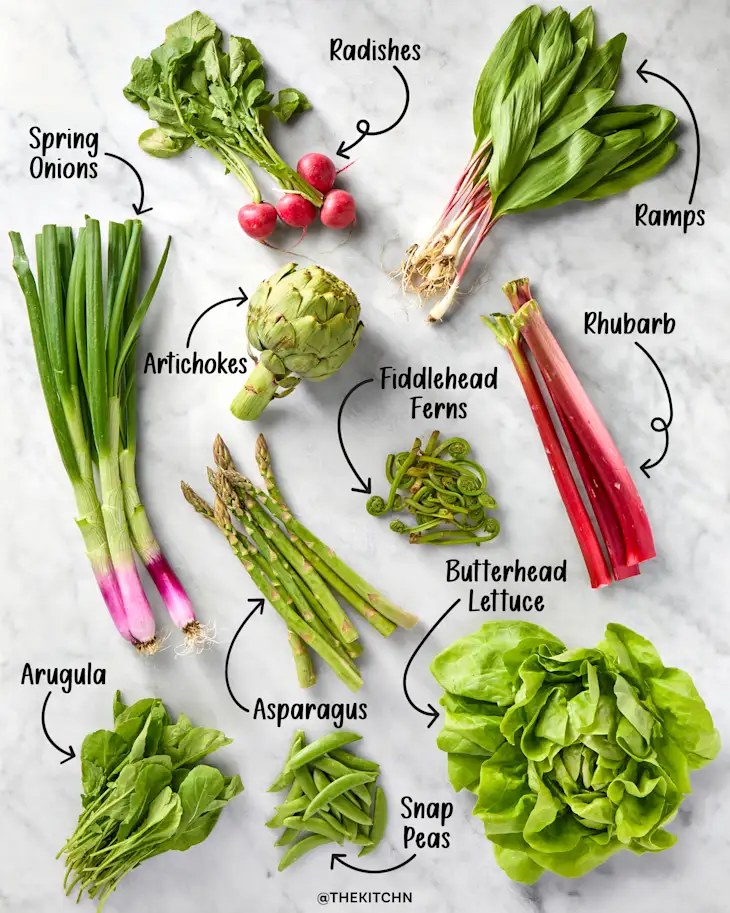
- Spring herbs taste brighter and require less quantity.
For home cooks, this often results in simpler recipes. A seasonal ingredient doesn’t need excessive seasoning, sugar, or fat to compensate for blandness. The ingredient itself carries the dish.
Seasonal Cooking Supports Simpler, More Reliable Recipes
One reason seasonal recipes feel more “successful” is consistency. Ingredients at peak quality behave more predictably when cooked. They caramelize evenly, soften at expected rates, and maintain structure.
This reliability matters for home cooks who don’t want to troubleshoot every meal. When ingredients perform as expected, recipes are easier to follow and repeat.
Many professional recipe developers time their testing around seasonal availability for this reason. Recipes written with peak ingredients tend to deliver better results for readers cooking at home.
Cost and Accessibility: A Practical Advantage
Seasonal ingredients often cost less because supply is higher and transportation costs are lower. According to USDA pricing data, in-season produce can cost 20–40% less than out-of-season equivalents depending on the item and region.
For families managing grocery budgets, this matters. Planning meals around what’s abundant can stretch food dollars without sacrificing quality.
Seasonality also aligns well with:
- Weekly grocery ads
- Farmers market offerings
- Store-brand promotions
Rather than chasing specialty ingredients, seasonal cooking encourages working with what’s already accessible.
Better Nutrition Without Chasing Trends
Seasonal eating naturally introduces variety across the year. Different fruits and vegetables dominate each season, leading to a broader mix of vitamins, minerals, and fiber over time.
While nutrient differences between fresh and stored produce are often modest, some vitamins—such as vitamin C—can decline during long storage. Seasonal produce is more likely to retain its nutritional value simply because it hasn’t spent months in transit or storage.
This approach supports balanced eating without relying on superfood trends or restrictive rules.
How Seasonal Ingredients Shape Cooking Methods
Seasonality influences not just what we cook, but how we cook it.
Warm-weather produce tends to work well with:
- Grilling
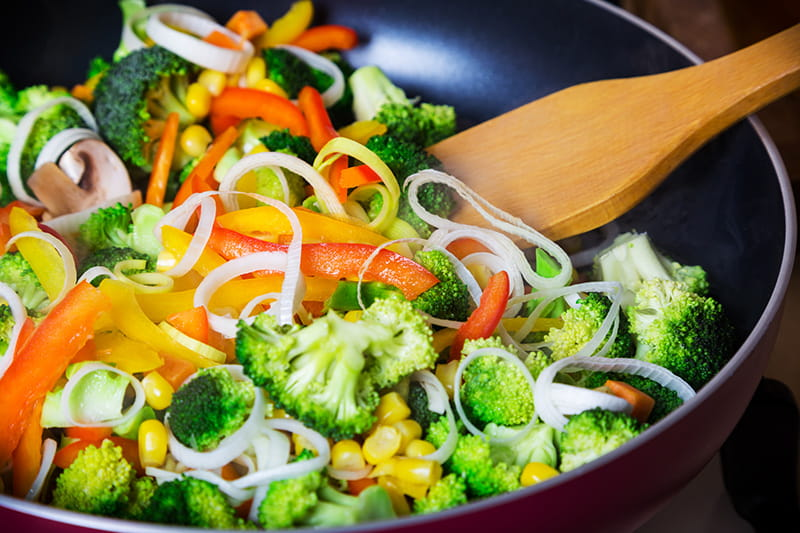
- Quick sautéing
- Raw or lightly dressed preparations
Cool-weather ingredients often benefit from:
- Roasting
- Braising
- Slow simmering
These methods align naturally with the structure and moisture content of seasonal foods. Cooking with the season often feels intuitive because the ingredients match the techniques.
Making Seasonal Cooking Work in Everyday Life
Seasonal cooking doesn’t require drastic changes. It’s about adjusting habits, not eliminating favorites.
Practical ways to start:
- Build meals around one seasonal produce item each week
- Swap vegetables in familiar recipes rather than learning new ones
- Use frozen seasonal produce when fresh isn’t available
Frozen fruits and vegetables are often processed at peak ripeness and can be excellent substitutes outside the season, especially for soups, stews, and sauces.
Seasonal Cooking and Sustainability
Choosing seasonal ingredients can also reduce environmental impact. Domestic, in-season foods generally require less energy for transportation and refrigeration than imported, out-of-season options.
While sustainability goals vary by household, seasonal cooking offers a low-effort way to make more environmentally conscious choices without sacrificing convenience or enjoyment.
Common Misconceptions About Seasonal Cooking
Seasonal cooking is often misunderstood as restrictive or impractical. In reality, it’s flexible and adaptable.
What it is not:
- A requirement to shop exclusively at farmers markets
- A rejection of convenience foods
- A strict rulebook
What it is:
- A prioritization strategy
- A quality filter
- A way to cook more intuitively
Most American kitchens already cook seasonally more than they realize.
Frequently Asked Questions
What does “seasonal ingredients” mean in the U.S.?
It refers to foods harvested at their natural peak within U.S. growing regions, even if available year-round through imports.
Is seasonal cooking more expensive?
Typically no. In-season produce often costs less due to higher supply and lower transportation costs.
Do I need to shop at farmers markets to cook seasonally?
No. Most supermarkets highlight seasonal produce through pricing and placement.
Are frozen fruits and vegetables considered seasonal?
Yes. Frozen produce is usually processed at peak ripeness and works well outside the fresh season.
Does seasonal food taste better?
Generally yes. Peak-harvest foods tend to have better flavor and texture.
Is seasonal cooking healthier?
It supports dietary variety and freshness, which can contribute to overall nutritional balance.
How do I know what’s in season where I live?
Store displays, weekly ads, and USDA seasonal charts provide reliable guidance.
Can I still cook my favorite recipes year-round?
Absolutely. Seasonal cooking encourages adaptation, not restriction.
Is seasonal cooking realistic for busy households?
Yes. It often simplifies meals by relying on ingredient quality rather than complex techniques.
When the Calendar Becomes a Cooking Tool
Seasonal ingredients offer a quiet advantage in home cooking. They reduce guesswork, improve consistency, and help meals feel grounded in time and place. Rather than chasing perfection, seasonal cooking encourages responsiveness—paying attention to what’s available and letting that guide everyday decisions in the kitchen.
A Few Points Worth Remembering
- Seasonal ingredients simplify cooking by improving reliability
- Flavor and texture improve naturally at peak harvest
- Grocery costs often decrease when supply is abundant
- Seasonal habits fit easily into existing routines