
Summary
Physical fitness plays a measurable role in how Americans manage stress and sustain daily energy. Regular movement supports nervous system regulation, improves sleep quality, stabilizes mood, and reduces fatigue. This article explains how exercise influences stress physiology, why consistency matters more than intensity, and how realistic fitness habits fit into modern American life.
Why Stress and Energy Are Closely Linked
Stress and energy are often discussed as separate concerns, but in daily life they are tightly connected. Chronic stress drains mental focus, disrupts sleep, and alters hormone balance, all of which directly affect physical energy. Many Americans describe feeling “tired but wired”—exhausted yet unable to fully relax.
Physical fitness addresses this loop from both sides. Movement helps regulate stress responses while simultaneously improving the body’s ability to produce and conserve energy. The result is not constant high energy, but steadier energy that lasts throughout the day.
How Physical Fitness Influences the Body’s Stress Response
When the body perceives stress, it activates the sympathetic nervous system and releases hormones like cortisol and adrenaline. These responses are useful in short bursts but harmful when constantly activated.
Regular physical activity trains the body to handle stress more efficiently. Exercise temporarily raises stress hormones, then teaches the body how to return to baseline more quickly. Over time, this improves resilience rather than adding strain.
Research from the American Psychological Association consistently shows that physically active adults report lower perceived stress and better emotional regulation than sedentary peers. This effect is not limited to high-intensity workouts—moderate activity produces meaningful benefits.

The Energy Equation: Why Movement Creates More Energy, Not Less
A common misconception is that exercise “uses up” limited energy. In reality, physical fitness improves the systems that generate energy.
Regular movement:
- Improves mitochondrial efficiency (how cells produce energy)
- Enhances oxygen delivery through cardiovascular conditioning
- Supports stable blood sugar levels
- Improves sleep depth and recovery quality
A 2021 review published in Psychotherapy and Psychosomatics found that low-intensity physical activity reduced fatigue by up to 65% in sedentary individuals—often more than rest alone.
This explains why even brief movement can make a workday feel more manageable rather than more exhausting.
Types of Physical Activity That Support Stress Management
Not all movement affects stress in the same way. The most effective routines usually combine different activity types rather than relying on one approach.
Aerobic activity such as walking, cycling, or swimming helps regulate cortisol levels and improves mood through endorphin release. These activities are particularly effective for mental stress accumulated during work hours.
Strength training improves stress tolerance by increasing confidence, physical capacity, and metabolic health. It also supports long-term energy by preserving muscle mass.
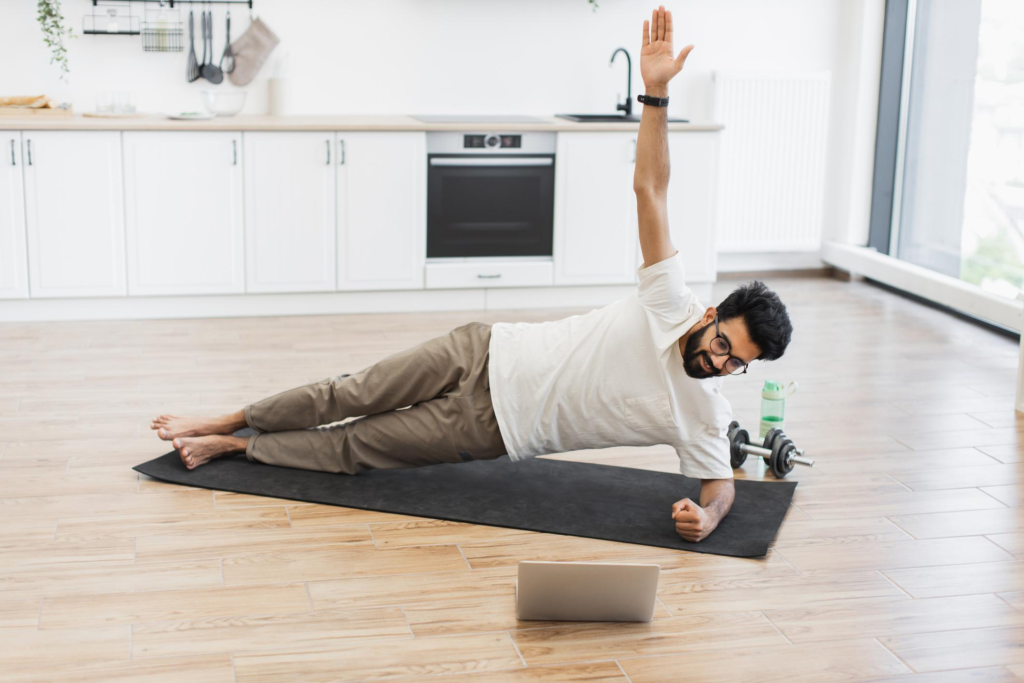
Low-impact movement like yoga, stretching, or mobility work directly engages the parasympathetic nervous system, helping the body downshift from stress.
Outdoor activity adds an additional layer of benefit. Exposure to natural light and open space has been linked to improved mood and reduced anxiety, even when exercise intensity is low.
Physical Fitness and Mental Energy at Work
Many Americans experience stress primarily through work demands. Long hours, screen exposure, and constant notifications tax both attention and emotional regulation.
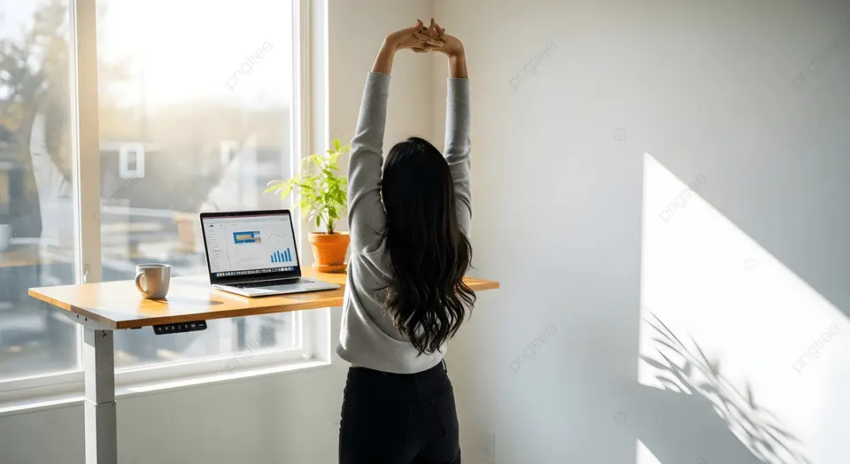
Physical fitness supports mental energy in several ways. Movement increases blood flow to the brain, improves executive function, and reduces cognitive fatigue. Employees who engage in regular physical activity report better concentration, fewer emotional dips, and improved task persistence.
Short, consistent movement breaks during the day—rather than a single intense workout—often provide the greatest benefit for mental stamina.
The Role of Consistency Over Intensity
One of the strongest predictors of stress reduction through fitness is consistency, not workout intensity. Sporadic high-effort routines can increase stress if they disrupt sleep, increase injury risk, or feel unsustainable.
Consistent, moderate activity:
- Stabilizes daily energy levels
- Builds predictable recovery patterns
- Fits more easily into real schedules
- Reduces decision fatigue around exercise
For many adults, 20–30 minutes of movement most days delivers greater long-term benefits than occasional intense sessions.
How Physical Fitness Supports Better Sleep—and Why That Matters
Sleep is the bridge between stress and energy. Poor sleep increases cortisol, reduces insulin sensitivity, and amplifies emotional reactivity. Physical fitness improves sleep quality by regulating circadian rhythms and increasing deep sleep duration.
Studies from the National Sleep Foundation show that adults who exercise regularly fall asleep faster and report higher sleep satisfaction. Importantly, exercise earlier in the day tends to support better sleep outcomes than late-night sessions for stress-sensitive individuals.
Better sleep reinforces the stress-reducing and energy-supporting effects of fitness, creating a positive feedback loop.
Realistic Examples from Everyday American Life
A remote worker who adds a 15-minute walk after lunch may notice fewer afternoon energy crashes and improved mood during late meetings.
A parent who incorporates short strength sessions three times a week may experience less physical fatigue and greater patience under daily stress.
A commuter who replaces passive scrolling with light stretching or mobility work before bed often reports improved sleep and reduced nighttime tension.
These examples highlight that fitness does not need to be elaborate to be effective. The benefits come from alignment with real routines, not idealized programs.
Addressing Common Barriers Without Adding Stress
Many people abandon fitness routines because they add pressure rather than relief. Stress-supportive fitness respects physical limits, time constraints, and fluctuating energy levels.
Helpful strategies include:
- Treating movement as stress relief, not performance
- Allowing flexibility in duration and intensity
- Choosing activities that feel restorative
- Viewing missed days as neutral, not failures
Fitness should reduce stress, not become another obligation.

Frequently Asked Questions
How much exercise is needed to reduce stress?
Most adults see benefits with 150 minutes of moderate activity per week, but even shorter sessions can help.
Does exercise help anxiety as well as stress?
Yes. Regular physical activity is associated with reduced anxiety symptoms and improved emotional regulation.
Is walking enough to improve energy levels?
For many people, yes. Consistent walking improves circulation, mood, and fatigue resistance.
Can exercise increase stress?
Excessive intensity, poor recovery, or unrealistic expectations can increase stress. Balance matters.
What’s the best time of day to exercise for energy?
Morning or midday sessions often support energy and sleep better than late-night workouts.
Does strength training help with mental stress?
Yes. It improves confidence, resilience, and metabolic health, all of which support stress management.
How soon do stress benefits appear?
Some people feel calmer after a single session; long-term changes usually appear within weeks.
Is rest better than exercise when stressed?
Rest is important, but gentle movement often reduces stress more effectively than inactivity.
Does fitness help emotional burnout?
It can support recovery by improving sleep, mood regulation, and physical resilience.
Why Sustainable Fitness Feels Different Than “Pushing Through”
Physical fitness works best when it supports the nervous system rather than fighting it. Stress-aware movement restores balance, protects energy, and reinforces resilience. The goal is not constant motivation, but a reliable relationship with movement that supports daily life—even during demanding seasons.
Key Ideas to Carry Forward
- Fitness regulates stress physiology, not just muscles
- Consistency matters more than intensity
- Energy improves through better recovery and sleep
- Movement should reduce pressure, not add it