

Summary
Long-term metabolic health is shaped less by short-term diets and more by everyday food decisions. This article explains how routine choices—what, when, and how Americans eat—affect blood sugar regulation, insulin sensitivity, weight stability, and inflammation over time, offering practical, research-backed guidance for sustainable metabolic well-being.
Understanding Metabolic Health Beyond Weight
Metabolic health refers to how efficiently the body manages energy—specifically blood sugar, insulin, cholesterol, blood pressure, and fat storage. While weight often dominates the conversation, research consistently shows that metabolic health can improve or decline independent of body size.
In the U.S., metabolic conditions are widespread. According to CDC data, over one in three American adults has prediabetes, and many are unaware of it. These trends are driven less by genetics alone and more by cumulative lifestyle patterns—especially everyday food choices made over years, not weeks.
Metabolic health is shaped quietly. The sandwich grabbed between meetings, the nightly dessert habit, or the lack of fiber at breakfast may seem insignificant in isolation. Over time, however, these patterns influence insulin response, lipid metabolism, and inflammatory pathways that determine long-term outcomes.
How Daily Eating Patterns Influence Blood Sugar Regulation
Blood sugar control is one of the clearest windows into metabolic health. Repeated spikes and crashes strain the body’s insulin system, increasing the risk of insulin resistance over time.
Highly refined carbohydrates—white bread, sugary drinks, pastries—digest quickly and raise blood glucose rapidly. When these foods dominate daily intake without sufficient fiber, protein, or fat, the pancreas is repeatedly pushed to produce large amounts of insulin.
In contrast, meals built around slower-digesting carbohydrates and balanced macronutrients create steadier glucose responses. For example, oatmeal topped with nuts and berries produces a very different metabolic effect than a sweetened breakfast cereal, even if calorie counts are similar.
Over months and years, these differences matter. Consistently smoother blood sugar curves are associated with better energy levels, reduced hunger swings, and lower long-term risk of type 2 diabetes.

The Cumulative Impact of Food Quality
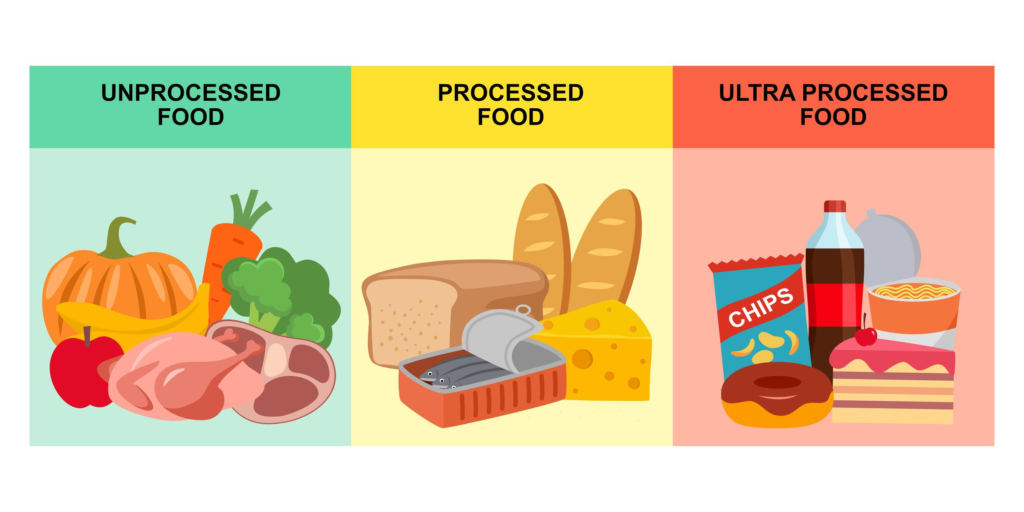
Food quality refers not just to nutrients, but to how foods are processed and packaged. Ultra-processed foods—those high in refined starches, added sugars, industrial oils, and additives—now make up more than half of the average American’s calorie intake, according to NIH research.
These foods tend to:
- Promote rapid calorie consumption
- Reduce satiety signaling
- Disrupt gut microbiota
- Increase low-grade inflammation
Whole and minimally processed foods behave differently metabolically. Vegetables, fruits, legumes, whole grains, nuts, seeds, eggs, fish, and lean meats provide fiber, micronutrients, and bioactive compounds that support insulin sensitivity and lipid balance.
Importantly, metabolic health is not about perfection. It’s about what dominates the plate most days, not what appears occasionally.
Meal Timing and Metabolic Rhythm
Beyond what Americans eat, when they eat increasingly matters. The body follows circadian rhythms that influence insulin sensitivity, digestion, and fat storage.
Research from institutions such as Harvard Medical School suggests that:
- Insulin sensitivity is generally higher earlier in the day
- Late-night eating is associated with poorer glucose control
- Irregular meal timing may disrupt metabolic signaling
This doesn’t mean everyone needs strict schedules, but consistency helps. A person who eats three reasonably timed meals daily often experiences better metabolic stability than someone grazing continuously from morning to midnight.
For working adults, even small adjustments—such as shifting the largest meal earlier or reducing late-night snacking—can improve metabolic markers over time.
Protein, Fiber, and Fat: Everyday Levers That Matter
Macronutrients play different roles in metabolic health, and balance matters more than extremes.
Protein supports muscle mass, which is metabolically active tissue. Adequate protein intake helps maintain resting metabolic rate and improves post-meal blood sugar responses. Many Americans under-consume protein at breakfast and over-consume it at dinner, missing an opportunity for metabolic balance.
Fiber, largely lacking in the typical U.S. diet, slows digestion, feeds beneficial gut bacteria, and reduces blood sugar spikes. The average American consumes about half the recommended daily fiber intake.
Dietary fats, particularly unsaturated fats from foods like olive oil, avocados, nuts, and fish, support cardiovascular and metabolic health when replacing refined carbohydrates or trans fats.
Practical examples include:
- Adding beans or lentils to salads and soups
- Choosing Greek yogurt with fruit instead of sweetened snacks
- Cooking with olive oil instead of shortening

Gut Health as a Metabolic Mediator
The gut microbiome plays a growing role in metabolic regulation. Fiber-rich foods support microbial diversity, which in turn influences inflammation, insulin sensitivity, and energy extraction from food.
Highly processed diets tend to reduce microbial diversity, while plant-forward eating patterns improve it. This relationship helps explain why two people eating similar calories may experience different metabolic outcomes.
Fermented foods such as yogurt, kefir, sauerkraut, and kimchi can complement fiber intake, though they are not substitutes for whole plant foods.
Everyday Choices Add Up More Than Diet Trends
Short-term diets often promise rapid metabolic resets, but evidence suggests that long-term consistency matters far more than short-term restriction.
Americans searching for metabolic health often ask:
- “Do I need to cut carbs completely?”
- “Is intermittent fasting necessary?”
- “Are supplements required?”
For most people, the answer is no. Sustainable metabolic health is built through repeatable, realistic food decisions aligned with daily life, cultural preferences, and access.
Simple, repeatable patterns—like eating vegetables daily, prioritizing protein at meals, limiting sugary drinks, and maintaining regular eating times—outperform extreme strategies over the long term.
Making Metabolic-Friendly Choices in Real Life
Metabolic health strategies must survive busy schedules, social events, and budget constraints. Practical adaptations include:
- Keeping frozen vegetables on hand
- Choosing water or unsweetened tea most days
- Building meals around one whole-food anchor
- Reading ingredient lists rather than nutrition labels alone
These choices don’t require perfection. They require awareness and repetition.
Frequently Asked Questions
1. Can metabolic health improve without weight loss?
Yes. Blood sugar, cholesterol, and insulin sensitivity can improve even when body weight remains stable.
2. Are carbs bad for metabolic health?
Carbohydrate quality matters more than quantity. Whole, fiber-rich carbs support metabolic health.
3. How long does it take for food changes to affect metabolism?
Some markers improve within weeks, while others reflect patterns over months or years.
4. Is skipping meals harmful?
Irregular eating may disrupt metabolic regulation for some people, especially when combined with poor food quality.
5. Do sugary drinks affect metabolism more than solid foods?
Yes. Liquid sugars are absorbed rapidly and strongly linked to insulin resistance.
6. How important is breakfast for metabolic health?
A balanced breakfast can improve glucose control and appetite regulation for many adults.
7. Does gut health really affect metabolism?
Yes. The gut microbiome influences insulin sensitivity and inflammation.
8. Are supplements necessary for metabolic health?
Most people benefit more from dietary improvements than supplements.
9. Can metabolic damage be reversed?
Many metabolic markers are highly responsive to sustained lifestyle changes.
A Perspective Worth Keeping
Metabolic health is not built through dramatic transformations, but through quiet consistency. The foods chosen most often—during ordinary mornings, rushed lunches, and familiar dinners—shape how the body processes energy year after year. Understanding this shifts the focus from short-term outcomes to long-term resilience.
What Matters Most, Over Time
- Food quality outweighs dietary labels
- Consistency beats restriction
- Timing influences metabolism
- Fiber and protein are foundational
- Everyday choices compound