
Summary
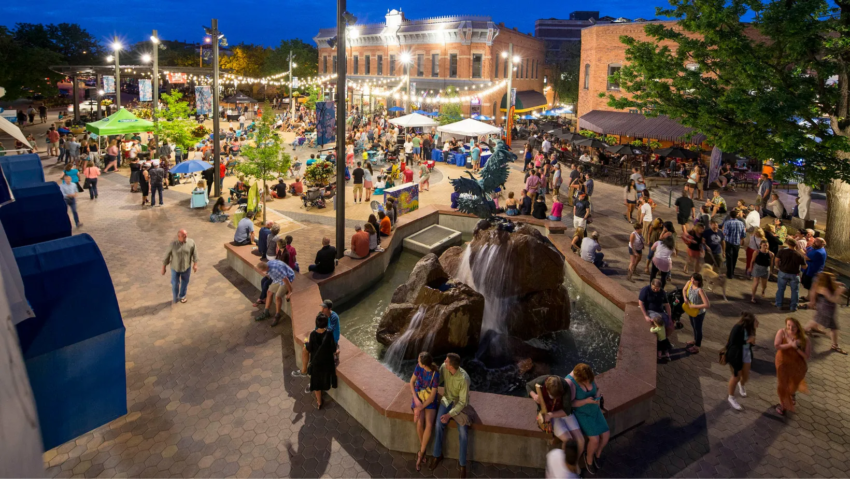
Across the U.S., travelers are shifting toward slower, more intentional trips that prioritize meaning over mileage. This approach emphasizes fewer destinations, longer stays, deeper local connections, and reduced stress. Driven by post-pandemic reflection, remote work, and cost awareness, slow travel is reshaping how Americans plan, experience, and value their time away.
A Noticeable Shift in How Americans Travel
For decades, American travel culture leaned toward efficiency: packed itineraries, multi-city loops, and the unspoken pressure to “see it all.” Today, that mindset is steadily changing. More travelers are choosing to stay longer in fewer places, favoring depth over breadth and presence over pace.
This shift is not a fleeting trend. It reflects broader cultural changes—how Americans work, manage stress, spend money, and define fulfillment. Travel, once an escape from daily life, is increasingly seen as an extension of the values people want to live by year-round.
What “Slow Travel” Really Means in the U.S. Context
Slow travel doesn’t mean traveling slowly in a literal sense or rejecting modern conveniences. Instead, it’s about intention. American travelers practicing slow travel often focus on:
- Staying longer in one destination instead of hopping between cities
- Choosing locally owned accommodations and businesses
- Building unscheduled time into trips
- Engaging with everyday local life, not just attractions
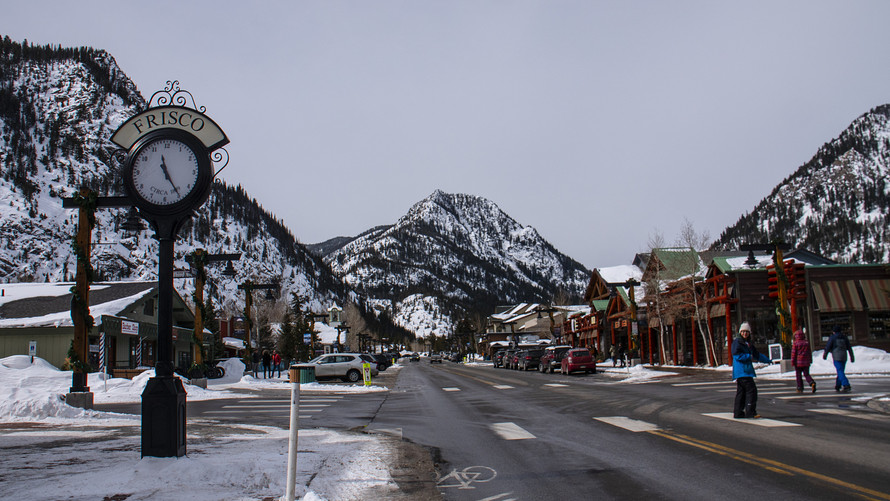
In the U.S., this often looks like spending a week in a small mountain town, renting a coastal cottage for ten days, or returning to the same region across multiple seasons rather than chasing new destinations each year.
Why This Shift Is Happening Now
Several converging factors explain why slow, intentional travel has gained momentum.
Post-Pandemic Reassessment
The pandemic prompted many Americans to reconsider how they spend their limited free time. According to surveys from organizations like the U.S. Travel Association, travelers increasingly value experiences that feel restorative rather than exhausting.
Remote and Hybrid Work
With more flexible work arrangements, travelers can extend trips without taking additional vacation days. A two-week stay becomes feasible when workdays blend into travel days.
Rising Travel Costs
Airfare, lodging, and rental prices have increased significantly. Staying longer in one place often reduces transportation costs and allows travelers to find better value through weekly or monthly rates.
Burnout and Time Scarcity
Americans consistently report high stress and limited leisure time. Slower travel offers a counterbalance—less rushing, fewer decisions, and more mental space.
How Slower Travel Changes the Experience
The difference between traditional travel and slow travel is often felt, not planned.
Instead of spending a day navigating crowded attractions, travelers might start mornings at the same neighborhood café, recognize familiar faces by the third day, and begin to understand the rhythms of a place. This repetition fosters comfort and belonging, even during short stays.
Practical examples include:
- Renting a house in a walkable town and cooking several meals with local ingredients
- Scheduling only one activity per day, leaving afternoons open
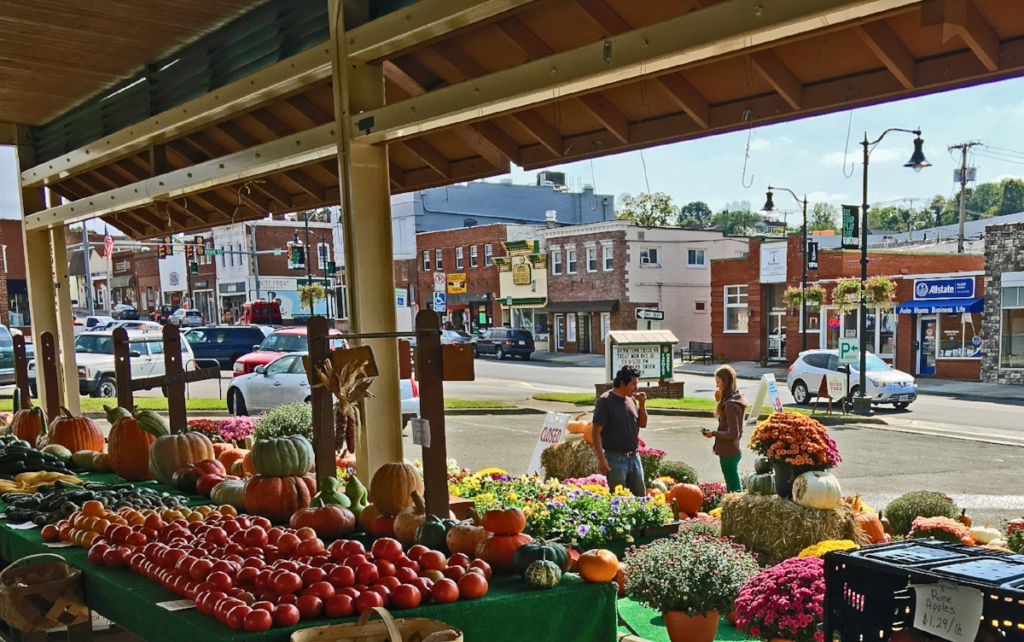
- Visiting regional parks, farmers markets, and community events rather than only headline attractions
Over time, these choices reduce decision fatigue and create space for reflection—something many travelers didn’t realize they were missing.
Destinations That Naturally Support Slower Travel
Certain parts of the U.S. lend themselves particularly well to this approach. These destinations offer strong local identity, manageable scale, and opportunities for daily routines.
Common slow-travel-friendly environments include:
- Small coastal towns with seasonal rhythms
- College towns with walkable centers and cultural life
- National park gateway communities that reward extended stays
- Rural regions with strong food, craft, or outdoor traditions
Rather than being defined by must-see lists, these places reward curiosity and time.
Planning a Slow Trip: What Americans Do Differently
Intentional travel begins before departure. Planning styles shift just as much as on-the-ground behavior.
Travelers often start by asking different questions:
- What kind of days do I want to have?
- How much structure actually helps me relax?
- What would it feel like to live here briefly?
From there, planning becomes less about maximizing attractions and more about designing a livable rhythm.
Common planning adjustments include:
- Booking accommodations with kitchens or laundry
- Prioritizing neighborhoods over landmarks
- Researching local businesses instead of national chains
- Allowing arrival and departure days to remain largely unscheduled
This approach often results in fewer reservations but more flexibility.
The Role of Transportation in Slower Travel
Transportation choices heavily influence pace. In the U.S., where car travel dominates, slow travelers often rethink how much they move.
Some opt to:
- Drive rather than fly to reduce time pressure
- Choose destinations where a car is rarely needed
- Use regional rail or bus routes for shorter hops
By reducing daily travel distances, trips feel more grounded and less transactional.
How Slow Travel Supports Local Communities
Intentional travel often has measurable benefits beyond the traveler.
Spending longer in one place typically means:
- Supporting locally owned lodging, restaurants, and shops
- Visiting during shoulder seasons rather than peak periods
- Creating steadier, less disruptive tourism patterns
Research from tourism economics groups consistently shows that travelers who stay longer tend to spend more per trip overall, with a higher proportion going directly into local economies rather than large intermediaries.
Is Slow Travel Practical for Families and Short Vacations?
One common misconception is that slow travel requires extended time off. In reality, the approach scales well—even for long weekends.
For families, fewer location changes can reduce stress significantly. Children adapt faster when routines stabilize, and parents spend less time managing logistics.
For short trips, slow travel might simply mean:
- Choosing one neighborhood instead of three
- Skipping one major attraction
- Leaving half a day completely open
The impact often comes from subtraction, not addition.
Digital Tools That Support Intentional Travel
Technology doesn’t disappear in slow travel—it becomes more selective.
Helpful tools include:
- Mapping apps for walkability and transit planning
- Local event calendars and community boards
- Reservation platforms that highlight small operators
At the same time, many travelers intentionally limit constant navigation and social sharing to stay present.
Measuring the Value of a Trip Differently
One of the most profound changes slow travel brings is how success is defined.
Instead of counting cities visited or photos taken, travelers assess trips by how they felt afterward:
- Did I return rested?
- Did I learn something meaningful?
- Would I return to the same place?
These questions signal a deeper shift—from consumption to connection.
Frequently Asked Questions
Is slow travel more expensive?
Not necessarily. Longer stays often reduce nightly costs, transportation expenses, and impulse spending.
How long does a trip need to be to count as slow travel?
There’s no minimum. Even a three-day trip can be intentional if the pace is thoughtful.
Is slow travel only for rural or small towns?
No. Many travelers practice slow travel within large cities by focusing on one neighborhood.
Does slow travel mean avoiding tourist attractions?
Not at all. It means choosing fewer attractions and engaging with them more deeply.
Is this trend supported by data?
Yes. Industry surveys show growing interest in longer stays, repeat destinations, and experiential travel.
Can business travelers adopt slow travel principles?
Yes. Extending trips slightly or simplifying schedules can create similar benefits.
Is slow travel environmentally better?
Often, though not always. Fewer flights and longer stays typically reduce per-day impact.
How do I explain slow travel to skeptical companions?
Frame it as reducing stress and increasing enjoyment, not as limiting experiences.
Does slow travel work for solo travelers?
It can be especially effective, offering structure without pressure.
Living Somewhere, Even Briefly
Slow, intentional travel reflects a broader desire many Americans share: to feel grounded, present, and connected—even while away from home. By treating destinations less like checklists and more like temporary communities, travelers discover that meaning often emerges in unplanned moments. The rise of this approach suggests that how we travel may matter just as much as where we go.
Key Ideas to Take With You
- Fewer destinations often lead to richer experiences
- Longer stays can reduce stress and improve value
- Intentional planning creates space for spontaneity
- Travel success is increasingly measured by well-being